
Best Stocks for Intraday Trading Today in India
🕒 Find today's best stocks for intraday trading in India with tips on liquidity, volatility, & risk management to boost your chances of quick profits.
Edited By
Oliver Davies
Intraday trading, also called day trading, involves buying and selling stocks within the same trading day. Since you don’t hold positions overnight, selecting the right stocks for tomorrow’s trading session is essential for capturing quick gains while managing risks.
Identifying the best stocks for intraday trading requires focusing on specific criteria like liquidity, volatility, and market news. Liquid stocks allow you to enter and exit positions easily without impacting prices much. High volatility means greater price swings, offering more profit opportunities, but it also demands close attention.

For example, stocks from sectors like banking and IT often have good daily volumes and can be suited for intraday moves. Large-cap companies such as Reliance Industries, HDFC Bank, and Infosys typically feature in the watchlists due to consistent liquidity and active participation.
Liquidity combined with price momentum offers the ideal conditions for intraday trading success; without these, you risk either getting stuck in trades or missing chances due to low movement.
Besides volume and volatility, tracking news triggers is vital. Corporate earnings announcements, policy decisions by the Reserve Bank of India (RBI), and global market events can create sharp price movements. Using real-time news platforms and alerts helps you spot these catalysts on time.
Technical indicators like moving averages, Relative Strength Index (RSI), and intraday volume trends also assist in filtering stocks showing strong momentum for the day ahead.
To sum up, a practical approach to picking stocks for intraday trading tomorrow includes:
Selecting stocks with daily volumes exceeding a certain threshold (e.g., 1 crore shares)
Prioritising those with average intraday price swings above 2-3%
Checking for upcoming news or events that could drive volatility
Using technical tools to identify momentum and support/resistance levels
Ensuring your chosen stocks are part of major indices like Nifty 50 or Sensex for reliability
In the following sections, we will examine methods and resources to identify suitable stocks, introduce key tools used by traders, and discuss risk management tactics to protect capital during intraday trading.
Selecting the right stocks for intraday trading requires careful attention to several key factors. These elements directly impact trade execution, profit potential, and risk management during the day. Traders who overlook these aspects often find themselves on the losing side, stuck with illiquid or sluggish shares.
Liquidity is the lifeblood of intraday trading. It ensures that you can buy or sell a stock quickly without causing a significant change in its price. For example, stocks like Reliance Industries or HDFC Bank consistently show high daily volumes, making it easier to enter and exit positions at your preferred prices. On the other hand, low-volume stocks often have wider bid-ask spreads, which can eat into your profits. A practical rule is to focus on stocks with daily trading volumes above a few lakhs shares, ensuring smooth order execution.
Volatility measures how much a stock’s price fluctuates within the trading day. For intraday traders, volatility offers opportunity—it lets you capitalise on price swings. Stocks such as Tata Motors or Adani Ports often experience notable intraday price changes, giving traders multiple chances to book profits. However, high volatility requires quick decision-making and strict risk controls to avoid substantial losses. Conversely, extremely volatile penny stocks may move unpredictably and lack reliable patterns, so exercise caution.
Market capitalisation helps gauge a stock’s stability. Blue-chip companies with large market caps like Infosys or ITC usually carry lower risk and steady volume, suitable for conservative intraday strategies. Meanwhile, midcap or smallcap stocks can provide higher volatility and profit potential but may pose greater risk. Additionally, sector trends play a vital role; focusing on sectors currently in favour—for instance, banking during a rate hike phase or IT during a tech boom—can improve the odds of success. Keeping an eye on sectoral momentum enables better stock selection aligned with broader market sentiment.
For intraday trading tomorrow, concentrate on stocks that combine good liquidity, adequate volatility, and belong to trending sectors. This triad helps in locating stocks that not only move enough to earn profits but also trade actively enough to allow timely exits.
In summary, understanding these factors together rather than in isolation is key. Liquidity without volatility may cause missed opportunities, while volatility without liquidity might trap you in illiquid positions. Matching these with market capitalisation and sector health completes a solid framework for picking intraday stocks efficiently.
Identifying the right stocks for tomorrow's intraday trading starts with practical techniques that traders can apply consistently. These methods help filter stocks with the best potential for profitable short-term moves. Choosing stocks without proper screening is like setting out on a trip without a map. The main tools in this process include technical analysis, timely news and corporate data, and smart screening through software platforms.
Technical analysis offers valuable insights by studying past price movements and volume patterns. Tools such as moving averages, Relative Strength Index (RSI), and candlestick patterns help spot trends and reversals. For example, a stock like Reliance Industries showing a strong 5-day moving average crossover could indicate upward momentum, signalling a potential buy opportunity. Traders should combine indicators rather than rely on just one. Say, using RSI to confirm whether a stock is overbought or oversold alongside moving averages improves accuracy in decision-making.
Charts available on platforms like Zerodha Kite or Upstox offer real-time visuals to track these indicators. Applying Fibonacci retracement levels can also help identify support and resistance points critical for setting entry and exit levels during the intraday session.
News often triggers sharp price swings that intraday traders can exploit. Staying alert to updates, such as quarterly results, product launches, or government policy changes, gives an edge. For instance, a positive earnings announcement from Tata Motors can spur buying interest, driving the stock price higher in the intraday trade.
Besides corporate announcements, macroeconomic news like RBI's repo rate decisions or GST rate changes can impact sector performance. Intraday traders should keep tabs on news feeds from reliable Indian financial news outlets and notifications from exchanges such as NSE and BSE.
Modern trading platforms come with built-in screeners that filter stocks based on parameters like volume, price change, and volatility. These screeners help narrow down hundreds of stocks to a manageable list suitable for intraday trades.
For example, using the NSE website's market watch or third-party tools like Screener.in enables you to quickly find stocks hitting fresh 52-week highs or those with volume spikes. Setting alerts for price breakouts or sudden volume surges can help catch intraday momentum plays early.
Efficient use of technical tools, news analysis, and screening software together creates a robust strategy to identify promising intraday stocks for tomorrow. Traders who blend these methods increase their chances of timely and profitable decisions.
Combining these approaches helps intraday traders adapt swiftly and avoid being blindsided by unexpected market moves. Practise using these techniques on your demo or paper trading accounts before applying real capital, to sharpen your skills and confidence.
Intraday trading relies heavily on picking stocks that respond quickly to market movements while offering good liquidity. Popular stocks, often those in the spotlight among intraday traders, fit these criteria well. They typically exhibit strong volume and volatility patterns that intraday traders can capitalise on. Rational choice among these stocks can help traders avoid unexpected slumps and seize profitable short-term swings.
Blue-chip stocks represent some of the largest and most established companies listed on Indian exchanges like the BSE and NSE. Their reputation ensures regular trading volumes, which prevents sudden liquidity crunches and allows for smooth entry and exit during the trading session. Examples include Reliance Industries, Tata Consultancy Services (TCS), HDFC Bank, and Infosys. These stocks may not offer extreme volatility, but their predictable price movement and consistent volume make them reliable for intraday strategies.
These stocks are often preferred by traders who seek lower risk and stable returns throughout the day. For example, a trader might track TCS during its post-earnings announcement phase when volume spikes but price swings remain manageable. Consistency in volume also means traders won’t struggle to execute large orders without significant price impact.
Midcap and smallcap stocks offer higher volatility compared to blue-chips, presenting greater profit potential for intraday trades but carrying increased risk. Stocks like Dixon Technologies, Amber Enterprises, or APL Apollo tend to have sharper price swings driven by news, sector trends, or speculative interest. For traders ready to embrace this risk, these stocks can generate attractive intraday gains if cut-offs and targets are managed strictly.
Volatility in these stocks often arises from lower free-float or abrupt market sentiment changes, making them suitable for traders who prefer short bursts of momentum trading. That said, the flip side is liquidity can dry up fast, and stop-losses must be tight to avoid heavy losses. Successful intraday traders monitor real-time volume spikes or early session patterns to identify such stocks, adapting quickly if the price moves against their position.
Intraday traders in India typically balance their portfolios with a mix of blue-chip stocks for stability, and select midcap or smallcap picks to leverage higher intraday price moves.
Choosing popular stocks with high liquidity and appropriate volatility levels remains key to effective intraday trading tomorrow. Staying informed about sector trends and upcoming events impacting these favourites helps traders position themselves for potential gains while limiting downside exposure.
Risk management stands as the backbone of intraday trading, especially given the fast-paced and often volatile nature of the market. Without a clear plan, traders risk substantial losses, which can wipe out gains quickly. Effective exit strategies, paired with risk controls, shield your capital and keep trading sustainable over time.
Setting stop loss orders is one of the simplest yet most effective ways to manage downside risk. A stop loss instructs your broker to sell a stock once it reaches a specific price, thus limiting further losses. For instance, if you buy a stock at ₹1,000, setting a stop loss at ₹950 caps your loss to ₹50 per share. This eliminates the need to constantly monitor the market, which can be exhausting during intraday sessions.
Similarly, establishing target prices helps lock in profits. You decide beforehand the price at which you'd like to sell to gain a desired profit margin. Suppose you aim for a 5% gain; if the stock bought at ₹1,000 rises to ₹1,050, your target price triggers a sale, securing your profit. Balancing stop loss and target levels thoughtfully prevents emotional decisions that often ruin intraday traders.
Position sizing refers to deciding the number of shares or lots to trade based on your total capital and risk appetite. Allocating too much capital on a single trade increases exposure to large losses, while too small a position may dilute potential gains.
A practical approach is the 1-2% rule, where you risk only 1-2% of your total trading capital on any one trade. If your capital is ₹5 lakh, risking 1% means you should not lose more than ₹5,000 on a trade. Work backward from your stop loss level to find the ideal position size. For example, if your stop loss is ₹50 per share, you can buy 100 shares (₹50 loss × 100 shares = ₹5,000).
Besides individual trades, diversify capital across multiple stocks or sectors to minimise risk from any single event or stock movement. Remember, capital allocation is not just about risk control but also about optimising returns.
Practical Tip: Start your trading day with clear plans on stop loss, target prices, and position sizes. Stick to these rules strictly; discipline often separates winning traders from others.
In short, intraday trading demands disciplined risk management through stop loss and target setting alongside smart capital allocation. These elements reduce surprise losses and improve consistency, helping you stay in the market longer and trade smarter.
Keeping an eye on market trends and regulatory changes is key for intraday traders aiming to stay ahead. These factors influence price movements and trading volumes, directly affecting the opportunities available during the trading day. For instance, shifts in economic indicators or RBI policy decisions often trigger market reactions within minutes, presenting both risks and chances to intraday traders.
The Reserve Bank of India (RBI) policies hugely sway the market sentiment and liquidity. When the RBI changes the repo rate, it affects borrowing costs and can lead to immediate moves in sectors like banking, real estate, and consumption. For example, a rate cut may prompt banks' shares to rally owing to cheaper credit availability. Conversely, tightening monetary policy can cool down speculative trades.
Macroeconomic indicators, such as inflation data, GDP growth, or industrial production figures, also have direct bearing. Fresh inflation readings above expectations can rattle markets as investors anticipate RBI intervention. Similarly, monthly or quarterly GDP updates provide clues on the overall economic health, impacting market indices and sectoral performance. Intraday traders benefit by watching these announcements closely, preparing strategies that align with the prevailing economic conditions.
Watching the clock during RBI announcements or macroeconomic data releases can reveal sharp volatility spikes—moments ripe for intraday trading if you keep your stops tight.
The Securities and Exchange Board of India (SEBI) regulates trading to maintain market integrity and protect investors. Changes introduced by SEBI directly affect how traders operate intraday. For example, SEBI’s restrictions on margin requirements or exposure limits influence the capital traders need to deploy, altering risk profiles.
Intraday traders must remain aware of SEBI updates such as changes to circuit filter percentages, daily price bands, or rules related to segment-wise trading (equity, futures, options). When SEBI announces halvings in trading limits or introduces new compliance demands, liquidity and volatility in certain stocks can surge or shrink, impacting stock selection.
Use SEBI circulars and notices as timely alerts—being quick to adapt your strategy to newly enforced rules can be the difference between gain and loss in the intraday game.
Monitoring closely these macro-level developments and regulatory changes not only helps you manage risks but also allows capturing timely opportunities. Being plugged into markets in this way is a valuable practice for anyone serious about intraday trading in India.
🕒 Find today's best stocks for intraday trading in India with tips on liquidity, volatility, & risk management to boost your chances of quick profits.
📈 Explore the list of stocks allowed for intraday trading in India. Learn selection criteria, access tips, and make smarter trades today! 💹
📈 Learn how to pick the best stocks for intraday trading in India! Understand liquidity, volatility, volume & sectors to make sharp, quick market moves.
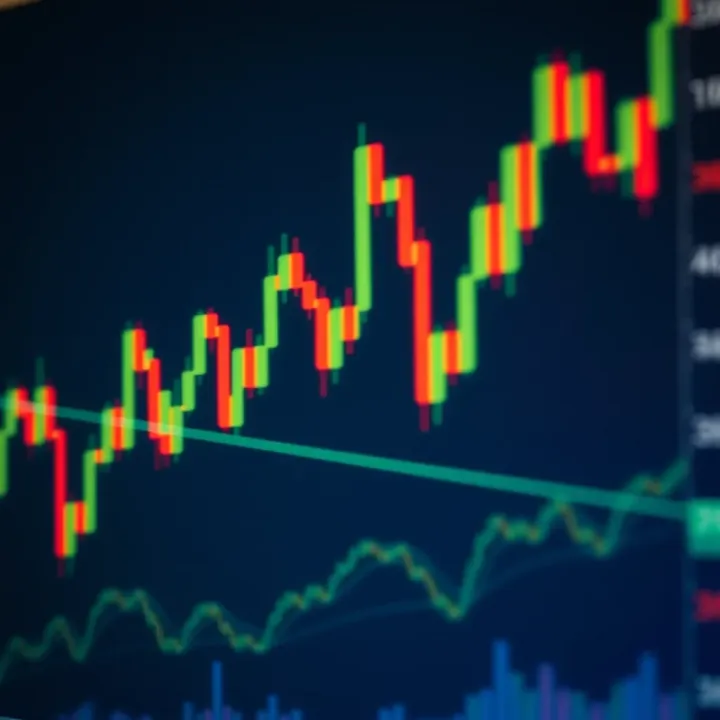
📊 Intraday trading explained: Learn key strategies, risks, and tools for same-day stock buying and selling. Practical insights for Indian investors.
Based on 11 reviews