

Intraday Trading Guide for Beginners in India
📈 Learn intraday trading basics in India with expert tips on market timings, risk management, and technical analysis. Start smart, avoid common mistakes! 💡
Edited By
Thomas Reed
Intraday trading in India demands sharp judgement in choosing shares that offer the right mix of liquidity and volatility. These traits ensure you can enter and exit trades quickly while benefiting from price movements during the trading session.
The major challenge lies in identifying shares that not only move enough to create profit opportunities but also are liquid enough to handle sizeable buy and sell orders without causing large price shifts. Shares with low liquidity often result in wider spreads and unpredictable slippage, which can erode profits or increase losses.
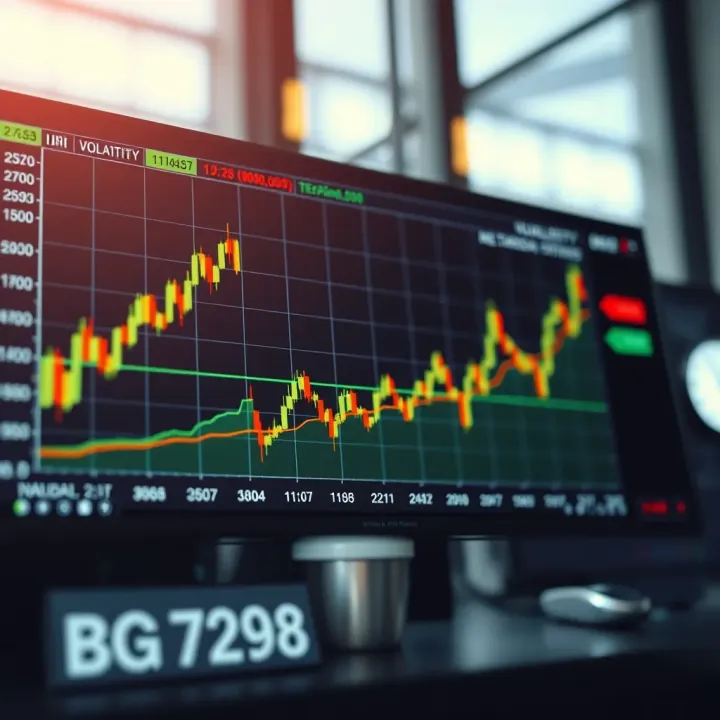
A practical approach begins with focusing on stocks that consistently show high average daily volumes on exchanges like NSE and BSE. For example, sectors like banking, IT, and auto tend to feature heavyweight stocks such as HDFC Bank, Infosys, and Maruti Suzuki, which frequently appear on the most traded lists. These shares usually have tighter spreads and more predictable price action, making them suitable for intraday trades.
Besides liquidity, volatility plays a key part. Stocks that move too little may not offer enough profit potential in a day, while those that swing wildly without trend can expose you to erratic risk. Identifying shares that tend to have a clear intraday trend or at least a fairly stable range reduces guesswork. Traders often monitor price action around key support and resistance levels using charts and technical indicators tailored for day trading.
Another factor is news and events. Shares undergoing corporate announcements, quarterly results, or sectoral shifts often show intraday price movements that traders can exploit. However, news-driven volatility needs careful risk management, as sudden reversals can occur.
For successful intraday trading, stick to shares with consistent volume and moderate volatility, backed by solid sector performance and market sentiment.
In short, selecting the best shares for intraday trading boils down to balancing liquidity, volatility, and predictable price behaviour. Filtering stocks using these criteria alongside sector trends, corporate developments, and precise risk controls sets the foundation for smarter trades in Indian markets.
Selecting the right shares for intraday trading depends largely on a few critical factors. Without focusing on these, traders may find themselves stuck in illiquid or slow-moving stocks that erode profits. Here we break down key elements to help you pick shares most suitable for active, same-day trading.
High liquidity is essential for intraday trading because it allows quick entry and exit from positions. For example, shares of companies like Reliance Industries or HDFC Bank regularly see high volumes on the National Stock Exchange (NSE). This means you can buy or sell large quantities without affecting the price much, avoiding slippage and costly delays.
Volume also plays a direct role in price movement. When daily trading volumes increase, the stock tends to exhibit stronger price trends and clearer movements. For instance, when the volume spikes during earnings announcements or RBI policy decisions, intraday traders can capitalise on the swift price shifts. Low-volume stocks might stagnate or have erratic jumps, making it risky for intraday moves.
Volatility is the lifeblood for intraday profits. It refers to how much a stock’s price fluctuates within a trading session. Without sufficient volatility, there is little scope for profit. Imagine a share of Infosys moving only ₹1-2 in a day – the gains won’t make up for transaction costs or potential losses.
To measure volatility, traders often use metrics like Average True Range (ATR) or watch percentage price changes over recent sessions. For example, shares like Adani Ports tend to have higher intraday price swings suitable for targeted trades. Monitoring volatility helps you avoid dull stocks that barely move and focus on those giving real chances for profitable trades.
Market capitalisation separates shares into large-cap, mid-cap, and small-cap. Large-cap companies like Tata Consultancy Services offer more stability and less chance of wild swings, making them safer but sometimes slower for intraday trading. Mid-cap shares strike a balance, offering good volatility with manageable risks.
Small-cap shares can provide attractive rewards through bigger price moves but carry higher risks and potential gaps. As a trader, knowing where your risk appetite lies helps: a fresher may prefer large or mid-caps, while a seasoned trader might chase small-caps for higher returns.
How a sector performs influences shares within it. For instance, during a monsoon season boost, FMCG stocks like Hindustan Unilever rise as rural demand surges. Recognising such sector trends can guide your intraday picks toward shares that may benefit from broader industry momentum.
News events also drastically affect intraday share prices. Sudden government policy changes, earnings surprises, or global cues can create opportunities or pitfalls. Traders often watch real-time news feeds or official announcements closely to adapt quickly. For example, a favourable GST rate cut news might lift select companies’ shares immediately, presenting a profitable intraday move.
Successful intraday trading hinges on careful attention to liquidity, volatility, market cap, and sector dynamics. Ignoring these factors often leads to missed trades or unwanted losses.
By focusing on these key factors and watching relevant shares on bourses like NSE and BSE, intraday traders in India can improve their chances of consistent profits while managing risks effectively.

Choosing the right shares for intraday trading demands not just luck but well-defined strategies. Traders use specific tools and techniques to maximise profits while managing risks in the fast-paced market environment. Effective strategies help identify shares whose price movements align with the trader’s objectives and time frame.
Technical indicators like the Relative Strength Index (RSI), Moving Average Convergence Divergence (MACD), and Bollinger Bands play a vital role in intraday share selection. These indicators provide insights into momentum, potential trend reversals, and price volatility. For example, an RSI value above 70 may indicate overbought conditions, hinting at a possible price correction.
Apart from indicators, recognising chart patterns such as head and shoulders, flags, and pennants aids traders in predicting short-term price movements. A flag pattern, for instance, often signals continuation of the prevailing trend after a brief consolidation, offering a potential entry point. Mastering these patterns helps traders time their trades better, avoiding hasty decisions based on noise.
Focusing on shares within sectors showing strong momentum can increase the odds of success. During times when the banking sector moves decisively, shares like HDFC Bank or ICICI Bank tend to show good intraday activity, driven by volume and investor interest. Aligning trades with sector strength lets traders catch meaningful price swings instead of erratic moves.
Market-wide sentiment also impacts intraday opportunities. Bullish markets often lift most shares, while bearish sentiments drag them down. For example, if the Nifty 50 index is surging due to positive macroeconomic data, many blue-chip stocks generally follow suit, creating favourable conditions for intraday gains. Watching this broader mood prevents traders from going against the tide.
Scan tools help traders quickly filter a large universe of shares to find ones matching desired criteria like volume, price change, or volatility. This saves time and adds discipline, so traders don’t waste effort chasing unsuitable stocks. For instance, the NSE’s Market Pulse scan can filter shares crossing a certain volume threshold in the last hour.
Key filters for intraday trading include high liquidity, average true range (ATR) indicating volatility, and certain price ranges that fit the trader’s risk appetite. Screening for these features narrows down the pool, ensuring attention stays on shares most likely to show profitable price action within the trading day.
Effective intraday trading is about working smarter, not just harder. Leveraging indicators, sector trends, and smart screening helps identify shares where quick, informed decisions can make a real difference in returns.
In intraday trading, picking shares from active sectors can make a real difference. Some sectors naturally provide the liquidity and volatility that traders need to profit within a single trading day. Focusing on these sectors helps you filter stocks worth watching for quick price moves.
Shares of major banks like HDFC Bank, ICICI Bank, and State Bank of India regularly feature among top intraday picks. These banks have consistently high daily volumes, making it easier to buy and sell without much price slippage. Their vast market presence means news and RBI policy updates often cause sharp intraday moves.
Large financial services firms such as Bajaj Finance and Kotak Mahindra Bank also draw intraday traders because of their active markets and predictable reactions to economic reports. They tend to respond quickly to changes in interest rates or credit growth news.
What makes banking shares attractive for intraday trading is their dependable liquidity paired with volatility triggered by routine policy changes, quarterly results, or sectoral news. For example, a sudden change in RBI’s repo rate or loan growth figures can cause intraday price swings. Even announcements like changes in government ownership or regulatory tweaks impact these stocks noticeably, offering chances for short-term profits.
IT stocks such as Tata Consultancy Services (TCS), Infosys, and Wipro are often on the radar for intraday movement. These companies have large market caps and generally stable volumes but can occasionally show sharp moves, especially around quarterly earnings or large deal announcements.
Global factors play a big role in IT stock volatility. For instance, changes in US visa policies, fluctuations in the dollar-rupee exchange rate, or geopolitical tensions can affect investor sentiment and lead to intraday price shifts. The sector’s dependence on exports makes it sensitive to global tech demand, so any news from overseas markets often translates into quick share price reactions.
Shares linked to oil, gas, and metals, like Reliance Industries, ONGC, and Hindustan Zinc, are popular with intraday traders due to their connection with global commodity prices. These stocks can show sharp intraday swings in response to international crude oil movements or metal demand forecasts.
Commodity price changes have a direct influence on share prices in this sector. For example, a sudden rise in global crude oil prices typically pushes ONGC’s stock up during the day. Similarly, metal price fluctuations affect companies like Hindalco and Vedanta. Traders track commodity futures alongside these shares to anticipate price changes and react accordingly.
Watching these key sectors and their prominent shares closely gives intraday traders an edge. Knowing how macroeconomic news, sector trends, and price actions interplay helps in making informed and timely decisions.
Risk management is central to successful intraday trading. The rapid pace of this trading style means losses can pile up quickly without proper safeguards. Managing risk helps protect your capital and keeps your emotions in check, allowing you to follow your trading plan more effectively.
Techniques for calculating stop-loss involve determining the maximum amount you are willing to lose on a trade before exiting. A common method is to set the stop-loss just below a recent support level or technical indicator like the 5-minute moving average. For example, if a share is currently at ₹1,000 and the nearest strong support is at ₹980, your stop-loss could be set around ₹975 to allow some buffer against normal price fluctuations. This prevents a single trade from damaging your trading capital too much.
Importance of fixed target profit setting lies in avoiding greed and locking in gains. Deciding your target profit beforehand, such as aiming for a 1.5% gain on the trade, helps maintain discipline. If the share rises to ₹1,015 from ₹1,000, booking profits instead of waiting for more prevents giving back gains in case the price reverses. Fixed targets help maintain a good risk-reward ratio, which is key for consistent profits over time.
Sticking to a trading plan means defining rules for entry, exit, and position sizing before the market opens — then following them strictly. This stops impulsive decisions based on short-term market noise or tips. For example, if your plan limits trades to three per day with maximum ₹30,000 exposure each, adhering to it prevents chasing losses or entering low-quality setups.
Recognising emotional trading patterns is vital to avoid costly mistakes. Fear and greed often drive intraday traders to exit too early or hold losing positions hoping for a rebound. Being aware when impatience or frustration sets in can help you step back and reassess objectively. Journalling your trades to spot recurring emotional behaviours is one practical way to improve discipline.
Determining exposure per trade requires calculating the amount you allocate to each trade relative to your overall capital and risk tolerance. If your intraday capital is ₹5 lakh, risking 1% per trade means a maximum loss of ₹5,000. You then size your buy or sell quantity so that hitting your stop-loss equates to this loss. This approach limits any single trade from wiping out a large chunk of your funds.
Balancing risk across trades means spreading out your capital among a few well-researched trades rather than putting all in one. This diversification reduces the impact of a single bad trade on your total portfolio. For instance, selecting three different shares from unrelated sectors like banking, IT, and energy helps you avoid being overexposed to one market movement.
Managing risks in intraday trading is not just about avoiding losses, it's about staying in the game long enough to build consistent profits. Clear stop-losses, fixed targets, disciplined plans, and proper position sizing form the foundation of this management.
Effective intraday trading depends heavily on the tools and platforms you use. These not only provide timely data but also enable quick decision-making, essential when markets move rapidly. Having access to the right software and apps ensures that you can spot opportunities, analyse price movements, and execute trades without delay.
Low latency platforms are vital for intraday traders because even seconds can affect profit or loss. Latency refers to the delay between market price updates and what you see on your screen. A platform with low latency offers almost immediate price feeds and order execution, crucial during volatile market phases. Without this, you risk acting on outdated information, which can be costly.
In India, popular trading apps like Zerodha Kite, Upstox Pro, and Angel Broking provide real-time data with minimal delay. These platforms not only offer live charts and price alerts but also support instant order placements for NSE and BSE listed shares. They cater well to intraday traders seeking swift entries and exits with features such as quick order modification, multiple watchlists, and easy fund transfers.
Staying updated on market news is fundamental as news events can trigger sharp price swings during the trading day. Websites like Moneycontrol, Economic Times Markets, and apps like ET Market app or Bloomberg Quint deliver fast intraday news updates, helping traders react promptly. Timely news on corporate results, RBI announcements, or global cues can impact sector behaviour and individual share prices.
Personalised alerts play a key role in intraday share selection. Most trading apps and third-party platforms allow setting customised price alerts, volume spikes, or news triggers for specific stocks. This way, you don’t have to watch the screen constantly—alerts notify you when your chosen shares hit predetermined levels or when significant events occur, enabling faster decision-making.
Accurate charting and indicators help traders identify entry and exit points. Tools like TradingView and MetaTrader offer a range of technical charts such as candlestick patterns, moving averages, and RSI (Relative Strength Index). Drawing trendlines or support-resistance zones directly on charts is straightforward and aids in spotting patterns like flags or breakouts commonly used in intraday trading.
Integrating these analysis tools with your trading platform creates a seamless setup. For example, Zerodha Kite allows embedding TradingView charts within their interface, letting you analyse and trade without toggling apps. This integration saves time and reduces errors, important when decisions must be rapid. Many platforms also offer APIs to connect custom analytics software, providing flexibility for more advanced traders.
Good tools and platforms are your backbone in intraday trading; they equip you to act on market movements swiftly and with confidence.
📈 Learn intraday trading basics in India with expert tips on market timings, risk management, and technical analysis. Start smart, avoid common mistakes! 💡
📈 Master intraday trading in India with this practical guide! Learn key strategies, risk management, market behavior, and effective tools for success.
💹 Learn the minimum funds needed for intraday trading in India. Understand margin, brokerage fees & trading limits to trade smartly and within the rules.

📈 Learn how margin requirements shape intraday trading in India. Understand types, regulations, risks & how margins impact your trading power daily.
Based on 11 reviews