

Binary Trading in India: Key Insights and Risks
Explore binary trading in India 📊: how it works, top platforms, legal aspects, risks involved, and tips for Indian traders seeking balanced insights on this option.
Edited By
James Carter
Binary trading has become quite a talked-about topic among Indian investors and traders looking for quick returns. At its core, binary trading involves predicting whether an asset’s price will move up or down within a specific time frame, with a simple yes/no outcome. However, when it comes to India, the question on everyone's mind is whether this type of trading fits within the country’s legal framework.
The Securities and Exchange Board of India (SEBI) regulates most trading activities, but binary options don’t neatly fall under its recognised categories. In fact, unlike traditional stock or commodity trading on Indian exchanges such as NSE or BSE, binary trading often operates through online platforms based outside India, which complicates the legal landscape.

Many brokers offering binary options claim to provide a straightforward way to earn in ₹ lakhs or crores quickly. But these platforms usually lack the necessary authorisation from SEBI or other Indian financial regulators. This makes binary trading risky, both from a financial perspective and a legal standpoint.
Traders should be cautious because many websites offering binary trading are not officially registered or regulated in India. Engaging with such platforms can lead to financial losses and legal challenges.
Here are some quick points to keep in mind:
Regulatory Status: Binary options are generally not recognised as legal financial instruments by Indian authorities.
Platform Legitimacy: Most binary trading sites operating in India do not hold a SEBI licence.
Risk Factor: Binary trading is highly speculative and can resemble gambling more than investment.
Legal Grey Area: While no specific law outright bans binary trading, trading on unregulated platforms is risky and potentially unlawful under gambling laws or financial fraud regulations.
In summary, before committing substantial funds to binary trading platforms, it is important to verify their regulatory credentials and understand the inherent risks. It also pays to explore established, authorised avenues for trading and investment within India’s regulated framework.
Understanding binary trading basics and its rising popularity helps frame the legal and risk issues involved. Many Indian traders look at binary options as a quick, straightforward way to enter financial markets, especially since these trades promise fixed outcomes and clear time frames. However, the simplicity can mask serious risks.
Binary trading involves predicting whether the value of an asset (like stocks, currencies, or commodities) will rise or fall within a set time period. Unlike conventional trading, where you buy or sell assets outright, binary options offer just two possible outcomes — either a fixed payout if your prediction is correct or a total loss if it’s wrong. For example, if you predict that the price of gold will rise in the next hour and it does, you receive a fixed return, say 70% of your investment.
The trade’s duration can be as short as a few minutes or extend for several hours, making it appealing for those who prefer quick decisions and rapid results. The fixed payout and limited outcomes make it easier to understand compared to futures or margin trading.
Profits or losses in binary trading depend entirely on whether the trader’s prediction was right by the expiry time. If your call on the asset’s direction is correct, you get a pre-agreed payout. If it’s wrong, you lose the entire amount you invested in that trade.
For instance, if you invest ₹10,000 predicting the Nifty 50 index will go up in the next 15 minutes, and it actually does, you might get back ₹17,000 (₹10,000 principal plus ₹7,000 profit). But if the index falls, your ₹10,000 is lost. The all-or-nothing nature makes it simple but risky, especially without solid market knowledge.
Binary trading attracts Indian investors due to its promise of high returns in a short span. It requires less capital upfront than traditional stock trading and can be done via mobile apps or websites, making it accessible even in smaller towns. The idea of doubling or tripling money quickly is tempting, especially for youth and new entrants exploring side incomes online.
Examples from recent years show many youngsters trying their luck on online platforms during festivals, aiming to turn small amounts like ₹5,000 into ₹15,000 over weekend trading. But this potential for fast gains also increases chances of quick losses.
The rise of online trading platforms and mobile apps in India simplifies participation in binary trading. Platforms offer user-friendly interfaces, demo accounts, and 24/7 availability, attracting people used to digital services. This growth of tech-enabled access, especially after 2016-17 when internet penetration surged in tier 2 and tier 3 cities, adds to the popularity.
Beyond legit players, some unregulated portals claim to offer binary trading, confusing users about legality and safety. This expansion without strong regulatory oversight complicates the landscape for Indian traders.
Be aware that while binary trading sounds easy, understanding its mechanics and risks is essential before committing your money. The high returns come with equally high chances of losing capital, especially on unregulated platforms.
Understanding the current legal framework around binary trading is essential for traders and investors in India. Since binary options involve betting on the price movement of assets within short time frames, they often fall into grey areas of regulation. Knowing which laws apply can help you avoid illegal platforms and protect your capital.
SEBI plays a central role in regulating securities markets and protecting investors in India. However, binary trading itself is not explicitly regulated by SEBI. Instead, SEBI oversees platforms that offer recognised financial products like stocks, derivatives, and mutual funds. If a binary options platform claims to provide trading in securities or derivatives, it must be registered with SEBI and comply with its guidelines.
For example, platforms offering binary options without SEBI approval are considered illegal. Such platforms usually operate from offshore locations and escape Indian regulatory oversight. Investors dealing with unregulated entities face risks of fund loss and no legal recourse.

The RBI looks at binary trading mainly from the perspective of currency transactions and foreign exchange. Since many binary options platforms deal with foreign currencies or settle payments internationally, RBI’s Foreign Exchange Management Act (FEMA) comes into play. The RBI has cautioned public against dealing with unauthorised forex trading platforms, including binary options, as these often violate FEMA rules.
Moreover, the RBI prohibits Indian banks from processing payments related to unregulated binary trading platforms. This makes funding or withdrawing from such accounts difficult. Hence, the RBI’s approach effectively limits the ease of conducting binary trading on uncertified platforms.
The Information Technology Act covers digital transactions, cybersecurity, and electronic data protection in India. It indirectly affects binary trading by governing the operation of online trading websites and apps. Platforms must ensure data security and proper authentication.
In cases of fraud or hacking on binary trading sites, affected users can lodge complaints under the IT Act. However, since the IT Act doesn’t specifically regulate financial products, it serves as a supplementary safeguard rather than a comprehensive shield.
FEMA regulates cross-border money flows and foreign exchange dealings. Most binary trading platforms operate outside Indian jurisdiction, accepting payments in foreign currency or settling trades abroad. Such actions usually require RBI permission under FEMA.
Investors trading on offshore binary options platforms risk breaching FEMA rules if they transfer money abroad without authorisation. The act may penalise such transactions, leading to fines or other legal trouble. Thus, adherence to FEMA is vital when dealing with binary trading involving foreign exchange.
The way binary trading sits at the intersection of betting, gambling, and financial trading creates loopholes. India’s current laws classify betting and gambling differently across states, and many binary options resemble betting more closely than traditional investment.
This creates difficulties in enforcement, with some regulators treating binary options as illegal gambling, while others see them as speculative financial instruments. Because of this ambiguity, unregulated platforms operate freely, targeting unsuspecting traders.
Traders should remain cautious and verify platform legitimacy before investing, as unclear regulations often leave them vulnerable to scams and legal complications.
In summary, India lacks a clear, dedicated regulatory framework for binary trading, placing the onus on traders to understand SEBI’s registration requirements, RBI and FEMA guidelines, and the protections under the IT Act. Awareness of these legal aspects helps minimise risks and promotes safer participation in financial markets.
Identifying whether a binary trading platform is legal or fraudulent is essential for anyone considering this kind of investment. Since binary trading sits in a grey area of regulation in India, the risk of falling prey to scams is high. Knowing how to separate legitimate brokers from illegal schemes not only protects your capital but also ensures smoother dispute resolution if problems arise.
A regulated broker must comply with rules set by financial authorities like the Securities and Exchange Board of India (SEBI). This means the firm holds a valid licence and follows guidelines around transparency, fund security, and fair trading practices. For example, legitimate brokers must provide clear information on fees, payout structures, and offer proper customer support. These safeguards reduce the chance of sudden platform shutdowns or fund misappropriation.
Many brokers claiming to offer binary trading are based offshore, outside Indian regulatory oversight. While some offshore brokers operate legally in their home countries, their services might not be legal or protected for Indian clients. Using an Indian-regulated broker or one registered with SEBI improves your chances of recourse if something goes wrong. Offshore brokers also often face criticism for lacking transparency, making it difficult for Indian traders to verify credibility or resolve disputes.
Promises of extremely high or guaranteed returns—say, 90% profit in an hour—should raise red flags. Real trading involves risk, and such unrealistic offers often lure inexperienced investors into losing their funds quickly. Genuine brokers will clearly communicate risks and never promise guaranteed profits.
Scam platforms often hide vital information like company registration details, terms and conditions, or withdrawal policies. If you can’t easily find or verify these on the platform, it is likely a fraudulent setup. For instance, no clear disclosure about transaction costs or delayed withdrawal approvals suggest the company is not trustworthy.
Aggressive sales techniques, such as pressuring you to deposit more money immediately or threatening to suspend your account, are common in illegal schemes. They aim to rush decisions without giving time for proper evaluation. On the other hand, credible brokers respect your pace and provide time for due diligence before investing.
Being able to spot these signs early on protects you from scams and financial loss. Stick to platforms with proper licences, transparent processes, and no pressure to trade hurriedly.
Choosing the right platform—one that is regulated and open—reduces risks considerably and helps you trade binary options with greater confidence and security.
Understanding the risks and challenges involved in binary trading helps investors make safer choices and avoid common pitfalls. The unregulated nature of certain binary trading platforms in India adds complexity, often exposing traders to financial losses and legal troubles.
Binary trading is inherently volatile because it involves predicting the direction of an asset’s price within a short timeframe. Even a small market movement can cause complete loss of the invested capital. For example, if you bet ₹50,000 on a particular stock’s price going up in 30 minutes, but it falls instead, you could lose your entire amount rather than just a fraction.
This sharp risk of losing capital rapidly means binary trading is more like gambling than traditional investment. Traders often underestimate how quickly losses can multiply, especially during periods of high market volatility such as sudden geopolitical events or RBI announcements.
Trading on platforms that lack proper authorisation in India carries potential legal penalties. Authorities may classify these as illegal gambling or unauthorised financial activities. While individual traders rarely face criminal charges, they may find themselves dealing with frozen accounts or seizure of funds. For instance, a trader caught using an unregulated offshore broker could lose access to their invested money without clear legal recourse.
Additionally, dispute resolution becomes complicated when the platform operates outside Indian jurisdiction. There’s little protection for traders if the broker defaults or manipulates trades. Unlike SEBI-registered exchanges, unauthorised platforms do not have to follow consumer grievances redressal mechanisms.
Since many binary trading platforms operate beyond the purview of Indian financial regulators, they lack regulatory backing that typically safeguards consumers. This absence means traders may be left vulnerable to unfair practices, such as withholding withdrawals or modifying contract terms without notice.
Recovering funds from fraudulent or non-compliant platforms proves very challenging. Once a platform disappears or refuses payment, traders often have no straightforward way to reclaim their money. Cases have been reported where investors lost ₹10 lakh or more with little chance to retrieve their funds, illustrating the severe consequences of inadequate consumer protection.
Always prioritise platforms regulated by SEBI or recognised authorities, and treat unregulated entities with caution.
Traders should approach binary trading with a clear awareness of these risks and legal challenges to safeguard their investments effectively.
Navigating binary trading in India demands caution and awareness. Given the legal ambiguities and risks involved, following certain tips can help traders protect themselves and make informed decisions. This section offers practical advice, ensuring you approach binary trading with care, especially considering the volatile nature of such platforms.
Traders must verify if the platform they plan to use is registered with the Securities and Exchange Board of India (SEBI). SEBI regulates securities markets and protects investors by licensing brokers and online trading platforms. A SEBI-registered platform complies with Indian laws, providing a safeguard against fraud. For example, if a broker claims to offer binary options but lacks SEBI listing, it is a strong red flag.
Before investing, read user reviews and expert analyses. Reliable platforms generally have consistent positive feedback on trading experience, withdrawal speed, and customer support. Conversely, sites with numerous complaints about delayed payments or poor service may be fraudulent. You can find such reviews on financial forums, social media groups, and trusted investment websites trusted by Indian users.
Clear, prompt payment methods are a hallmark of trustworthy platforms. Confirm that the platform supports Indian payment gateways or bank transfers and permits timely withdrawals without excessive charges. For instance, a platform delaying withdrawals or demanding unusual fees should raise suspicion. Legitimate brokers usually allow easy transfer to Indian bank accounts or UPI wallets without hassle.
To reduce potential losses, begin trading with minimal capital. This approach helps you understand the platform’s workings and the risks without exposing your finances heavily. Many seasoned traders advise testing the water with ₹1,000 to ₹5,000 before scaling up. This way, you limit exposure while gaining hands-on experience.
Promises of guaranteed high returns or quick profits often indicate scams. Binary trading’s unpredictable nature means no platform can assure steady gains. Platforms offering bonuses like “₹1 lakh on sign-up” without clear terms should be approached with caution. Use common sense: if it sounds unrealistic, it probably is.
Every trading platform has its set of rules, including fees, expiry times, and payout conditions. It is essential to read these carefully before locking in funds. Many disputes arise because traders overlook clauses about withdrawal limits or penalty charges. Ensure all terms regarding deposits, account types, and risk warnings are clear and acceptable to you.
Taking these steps helps protect your investment and reduces the chances of falling prey to illegal or dubious schemes. Awareness and due diligence remain your best defence in India’s complex binary trading environment.
By following these tips, Indian traders will be better equipped to identify legitimate platforms and minimize financial and legal risks. Always remember, cautious and informed trading is the key rather than chasing quick profits.
Explore binary trading in India 📊: how it works, top platforms, legal aspects, risks involved, and tips for Indian traders seeking balanced insights on this option.
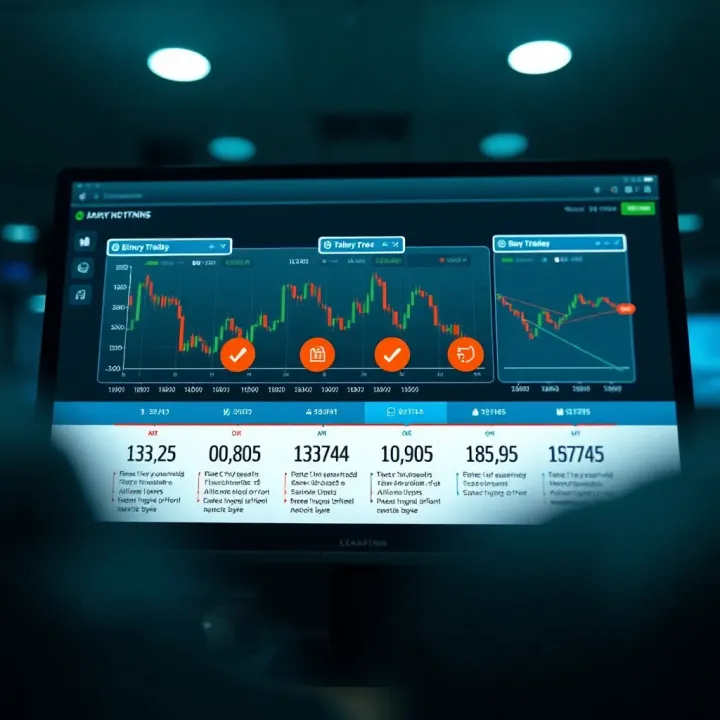
Explore how binary trading platforms operate in India, their legal status, risks involved, and tips to pick trustworthy sites. Stay informed for safer trading! 📊💡
📱 Curious about legal binary trading apps in India? Learn about current regulations, risks, trusted platforms, and tips to trade safely and smartly. ⚖️💡
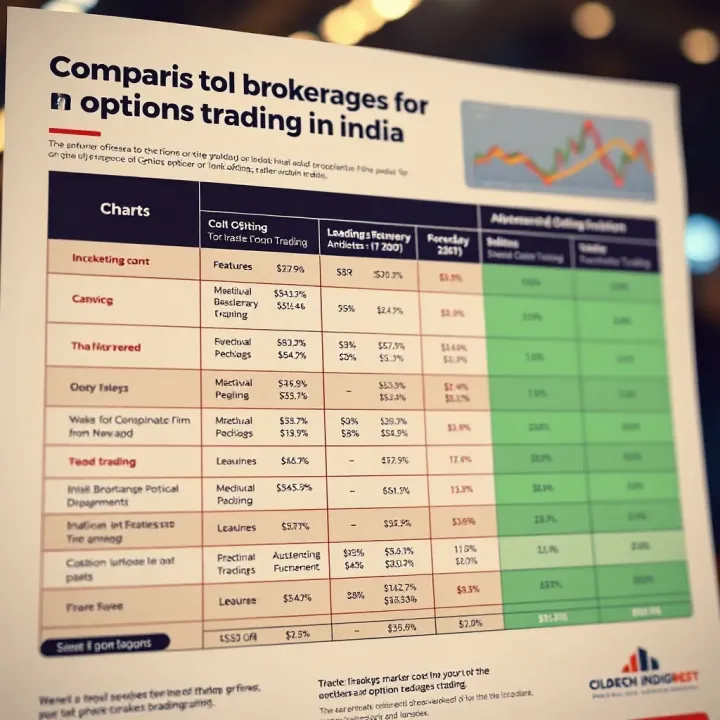
Looking for the best brokerage for options trading in India? Explore top brokers📈, compare costs, tech tools, research & support to pick one that suits your trading style🔍.
Based on 15 reviews