
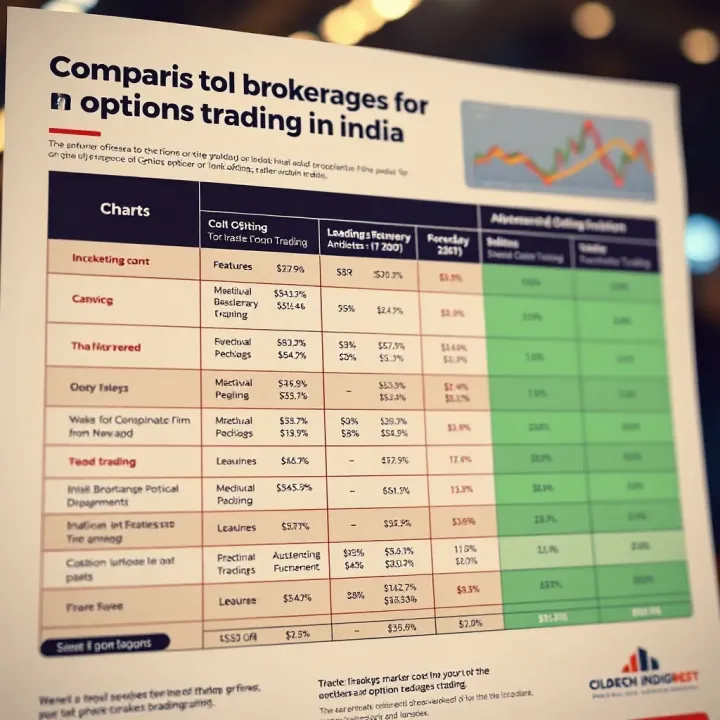
Choosing the Best Brokerage for Options Trading in India
Looking for the best brokerage for options trading in India? Explore top brokers📈, compare costs, tech tools, research & support to pick one that suits your trading style🔍.
Edited By
Ella Foster
Selecting the right options trading app in India can shape your investment outcomes more than you might expect. With several platforms offering diverse features, traders must carefully weigh their options to find an app that matches their trading style and comfort with risk.
Options trading involves contracts that give you the right, but not the obligation, to buy or sell an asset at a particular price before a set date. This complexity requires apps that not only provide real-time data but also user-friendly tools to analyse and execute trades quickly.

A reliable options trading app should balance speed, security, and ease of use while ensuring compliance with regulations by bodies like the Securities and Exchange Board of India (SEBI).
Key features to watch for include:
User Interface (UI) and Experience (UX): Intuitive layouts reduce mistakes while dealing with complex trades.
Real-time Market Data: Delays could mean losing money; up-to-the-second information is essential.
Variety of Options Instruments: Support for different options like calls, puts, and various expiry dates lets you strategise better.
Research and Analysis Tools: Integrated charts, technical indicators, and newsfeeds help in informed decision-making.
Transaction Costs: Brokerage fees and taxes impact net returns, so apps with transparent and competitive charges are preferable.
For example, a trader who frequently makes intraday options trades might prioritise an app with lightning-fast order execution and low latency data. On the other hand, a newcomer might need an app with educational resources and a simulated trading environment.
In the following sections, we will compare popular options trading apps available for Indian investors, highlighting their strengths and drawbacks in areas such as security protocols, compliance with Indian law, and costs associated with trading. This will help you make a well-informed choice aligned with your trading goals and experience.
Selecting the right options trading app hinges on spotting key features that directly impact your trading effectiveness and experience. In India’s fast-moving markets, an app with the right blend of usability, analytics, and integration can make all the difference in managing risk and seizing opportunities.
A trading app should be easy to navigate, especially under market pressure. Think about the last time you used an app where screens cluttered with too many options slowed you down. A simple design means fewer distractions and faster order execution. For example, Zerodha Kite’s clean layout organises essential trading information at a glance, helping traders act decisively.
Not every trader watches the same metrics. Some track the Nifty 50 options chain closely, others focus on specific Greeks. A customisable dashboard lets you prioritise data relevant to your strategy, improving focus and speed. Upstox, for instance, allows users to rearrange widgets and save layouts, so you always see what matters most.
Options pricing moves quickly, so having up-to-the-second market data is vital. Delays of even a few seconds can mean missed profits or unexpected losses. Apps like Angel Broking and 5Paisa offer real-time quotes that refresh continuously, ensuring traders react to genuine market conditions rather than outdated data.
A good options app provides detailed option chains, listing strike prices, premiums, and open interest. The inclusion of Greeks—Delta, Gamma, Theta, Vega—adds depth, giving you insight into how sensitive your position is to price, time, and volatility changes. This is crucial for nuanced strategies like spreads and straddles.
Charts help visualise price trends and momentum. Look for apps that offer multiple chart types and technical indicators tailored for options traders, such as implied volatility or moving averages. These tools assist in spotting entry and exit points more confidently.
Different order types allow flexibility. Market orders offer speed but risk slippage; limit orders provide control over price; stop-loss orders help manage downside risk automatically. A robust options app supports all these to let traders tailor executions to their plan.
Latency—the delay between your action and order execution—can erode profits in active options trading. Even a few milliseconds can matter during volatile sessions. Zero or low latency environments, often provided by apps with strong backend infrastructure like Zerodha, can improve trade outcomes by ensuring your orders hit the market promptly.
Fast, hassle-free transfer between your bank and trading accounts saves valuable time and simplifies money management. Apps tightly integrated with Indian banks and payments systems allow instant fund transfers, reducing lag and enabling quick capital deployment.
Managing your Demat and trading accounts from a single dashboard reduces complexity. This helps track holdings, margins, and transaction histories in one place, preventing oversights. Apps like Upstox and Angel Broking excel here, ensuring traders don’t have to juggle multiple platforms.
Choosing an options trading app with these core features tailored to your needs can significantly improve your trading efficiency and confidence in the Indian markets.
India's retail trading scene has evolved rapidly with technology, making it vital to pick an app that fits your trading style and needs. Popular options trading apps not only offer ease of access but bring powerful tools and security features essential for success. Understanding their unique strengths helps traders decide smartly where to put their money and time.
Zerodha Kite stands out due to its clean, minimalistic interface combined with advanced charting tools. Traders get access to real-time data, option chains, and the Greeks easily laid out for quick decisions. The mobile and web platforms are fast, with multi-exchange support (NSE, BSE, MCX), making it suitable for active options traders.
Its integration with Zerodha's other services like Coin (mutual funds) and Console (portfolio analysis) gives users a holistic investing experience. Plus, Kite's API allows tech-savvy traders to implement algorithmic strategies.

Zerodha adopts a flat fee of ₹20 per executed order for options, regardless of the trade size. This pricing proves beneficial for high-volume traders as the cost doesn’t scale with order size. No charges apply for delivery or equity investments beyond brokerage.
However, additional charges like GST (18%), Securities Transaction Tax (STT), and other regulatory fees apply. Despite these, Zerodha remains among the most cost-efficient for options trading in India.
Upstox Pro focuses on blending simplicity with powerful features. The app provides access to live market feeds, in-depth option chain data, and fast order execution. The charting package includes over 100 indicators and drawing tools suited for technical traders.
It supports multi-device login and synchronisation, helping users switch between mobile, tablet, and desktop smoothly. One strong point is Upstox’s low latency order placing, important when timing is critical.
Upstox offers a competitive ₹20 per order brokerage on options trading. They have a zero brokerage plan for equity delivery, attracting those who prefer long-term investments alongside options.
Opening an account through Upstox is straightforward, often completed online within a day. Additional features include margin funding options and free access to market reports for active users.
Angel Broking has integrated AI-based advisory services that analyse market trends and suggest actionable trading ideas, including options strategies. This can help beginners who might otherwise struggle with interpreting the deluge of market data.
The app's ARQ engine generates customised recommendation streams, enabling users to act quickly on technical setups or sector moves without deep analysis themselves.
Angel Broking offers 24/7 customer assistance through chat, phone, and email. Their support includes help with app navigation, order placement, and dispute resolution, which is valued by traders needing prompt clarification.
Local language support and educational webinars add to the usability, making it friendly for new and regional language users.
5Paisa markets itself with one of the lowest brokerage charges: ₹10 per trade or as low as 0.01% of turnover for some plans. This pricing appeals especially to small investors and frequent traders who wish to minimise costs.
The app also provides cashback offers and discounts during festivals, which can lead to further savings.
5Paisa supplies a range of predefined options trading strategies, such as iron condors, straddles, and vertical spreads. These help traders implement complex approaches without setting each leg manually, saving time and reducing errors.
Users can study and customise these templates, which works well for those still learning or those who prefer to follow tested market plays.
Choosing the right app depends on matching its features and costs with your trading goals. Popular platforms like Zerodha, Upstox, Angel Broking, and 5Paisa show how diverse the options trading space has become in India, each catering to different needs and budgets.
Selecting the right options trading app doesn't just boil down to features or brand names. Several factors influence how well the app matches your specific trading needs. Understanding these can save you from costly mistakes and improve your trading efficiency.
Beginners need an app that simplifies the options trading process, offering clear guidance and straightforward navigation. For instance, an app with easy-to-understand option chains and explainers can help new traders grasp complex concepts like strike price or expiry dates without confusion. On the other hand, experienced traders look for advanced features such as detailed Greeks analysis, customisable watchlists, and quick order execution to capitalise on market movements efficiently.
Apps that provide tutorials, webinars, and real-time tips can make a huge difference, especially for novices. Look for platforms that include demo accounts or practice trading modes to build confidence before risking real money. Also, having access to responsive customer support matters. If an issue arises during trading, swift assistance ensures you avoid potential losses or missed opportunities.
High-frequency traders rely on minimal latency and lightning-fast order execution. An app that can handle rapid order placements without lag enhances trading accuracy and strategy effectiveness. For example, certain Indian apps optimise server locations closer to stock exchanges to reduce delays, serving day traders or scalpers well.
If you regularly execute batch trades or complex orders, the app should support such functionalities smoothly. Moreover, margin requirements differ across brokers, impacting how much capital you need to maintain open positions. Apps offering clear margin calculators and flexibility in margin use help traders manage risk and allocate funds efficiently.
Brokerage charges can eat into profits quickly, especially for active option traders. Some apps charge flat fees per trade, while others operate on a percentage basis. For example, Zerodha offers competitive flat-rate brokerage ideal for frequent traders, whereas others might levy higher charges for low-volume trades. Pick an app with a fee structure matching your trading style to optimise costs.
Many platforms advertise low brokerage but have hidden fees like transaction charges, GST, or platform usage fees. These additional costs can accumulate unexpectedly. Always scrutinise the fine print of the app's pricing terms. Transparent apps openly detail all charges upfront, helping you avoid surprises in your monthly statements.
Assess your trading style, experience, and financial capacity carefully before selecting an options trading app. The right fit can improve your trading success while minimising costs and risks.
Security and regulatory compliance hold significant weight when selecting an options trading app in India. These aspects ensure that your personal information and funds remain safe while you trade, besides confirming that the app operates under recognised legal frameworks. Ignoring these factors may lead to exposure to scams, fraudulent apps, or loss of money.
Options trading apps gather sensitive data such as PAN card details, bank account information, and transaction history. Protecting this information from breaches is vital. Leading apps employ end-to-end encryption which makes your data unreadable to outsiders during transmission. For example, Zerodha and Upstox invest heavily in encryption protocols that guard user details both on their servers and during net banking integration.
Secure storage practices, like encrypting information at rest and segregating data access internally, add another layer of protection. This avoids user data leaking even if the app servers are compromised. As a trader, you should check the app's privacy policy and security certifications to understand how it defends your personal details.
Authentication methods are the gatekeepers of your account. Most trustworthy Indian apps today offer multi-factor authentication (MFA). This could mean entering a password plus an OTP (one-time password) sent to your registered mobile or email. Besides this, biometric logins using fingerprint or facial recognition available on smartphones add convenience without compromising security.
Such login protocols reduce the risk of unauthorised access, especially if your credentials are stolen elsewhere. Apps like Angel Broking and 5Paisa incorporate device recognition and session timeouts automatically to limit exposure duration. When assessing an app, ensure it provides these secure login options to keep your trading account safe.
The Securities and Exchange Board of India (SEBI) regulates all stockbrokers and trading platforms operating in the country. Any options trading app you choose must be SEBI-registered or linked to a registered broker. SEBI approval confirms the app complies with market conduct norms and investor protection standards.
Before signing up, verify the broker’s registration on SEBI’s official list. Scams often masquerade as genuine apps to lure traders with low brokerage or quick profits. A legitimate SEBI-registered platform like Zerodha or Angel Broking ensures your trades happen through authorised channels, reducing the chances of fraud.
Apart from SEBI, there are other rules the app has to follow, such as anti-money laundering (AML) guidelines and Know Your Customer (KYC) requirements. These ensure genuine investor verification, which helps curb illegal activities through trading platforms.
Apps that regularly update their systems to stay compliant reflect professionalism and reliability. For instance, frequent security audits and timely updates aligned with RBI and SEBI guidelines keep your investments safer. Choosing an app that meets these regulatory criteria means you won’t face hassles like frozen accounts or sudden blocked transactions due to non-compliance.
When picking an options trading app, prioritise those with strong security features and proper regulatory approvals. This protects not only your money and data but also gives peace of mind to trade actively in Indian markets.
Choosing the right options trading app is not a one-time decision. As your trading style, needs, or the app's offerings evolve, evaluating and switching apps becomes necessary. Understanding how to assess different apps and manage the transition smoothly can save you time, money, and unnecessary hassle.
Many apps provide trial periods or demo accounts where you can practice trading with fictional money. This is invaluable for testing the app’s responsiveness, verifying order execution speed, and getting a feel for the interface without risking your capital. For example, Zerodha Kite’s demo mode lets you place trades in real-time market conditions but without any financial consequences, helping you gain confidence.
Demo accounts also help you explore the full range of features — option chains, Greeks, charting tools — before opening a real account. This 'try-before-you-buy' approach lets you see if the app suits your skill level and trading style. You might find that an app offers extensive analytics but lacks in customer support, steering you away from an otherwise attractive platform.
User reviews on platforms like Play Store or financial forums give useful insights into app stability, hidden costs, or user satisfaction. However, you need to spot genuine feedback from promotional or disgruntled posts. Look for balanced reviews that mention specific features or errors rather than generic praise or complaints.
Besides reviews, interacting with trading communities—say on Reddit India or trading groups on WhatsApp and Telegram—can reveal how the app performs in live markets. For instance, a trader might share that Upstox Pro handles high-frequency orders better during market volatility, while another could point out the lag on 5Paisa during peak hours.
Switching trading apps involves transferring your demat account and funds to the new broker. Usually, you have to fill an Account Modification Request (AMR) with your existing broker and submit it to your new broker. The two brokers coordinate the transfer under regulatory guidelines, which can take anywhere from a few days to a couple of weeks.
Be prepared for some downtime during migration, when you may not be able to trade. Additionally, certain funds might take extra time to reflect due to banking processes. There might be charges for transferring your demat account, or paperwork errors could delay the process. Planning the migration during a low trading volume period helps reduce financial risks.
Switching apps wisely involves thorough testing, listening to experienced users, and planning fund transfer carefully. Your trading should remain smooth even if you decide to move to a different platform.
Looking for the best brokerage for options trading in India? Explore top brokers📈, compare costs, tech tools, research & support to pick one that suits your trading style🔍.
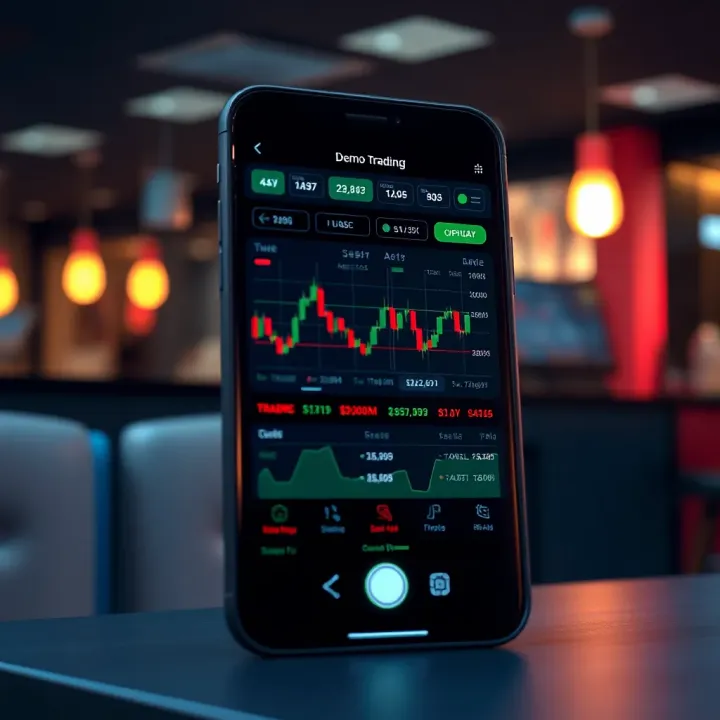
Explore the top demo trading apps in India 📱 Compare features, ease of use, and benefits to practice trading safely before risking real ₹₹. Ideal for all skill levels!

Explore top online trading apps in India 📱 – features, costs, security, and regulations explained. Choose the best platform for your investing success today!

Explore top Indian trading apps that let beginners practice without investment 📱 Learn key features, benefits & tips to trade confidently with zero risk 🚀
Based on 14 reviews