

Lowest Brokerage for Options Trading in India
Discover how to find the lowest brokerage fees for options trading in India 📉 Compare popular brokers, spot hidden charges, and save on trading costs today!
Edited By
Sophie Clarke
Selecting the right brokerage firm is vital for anyone looking to trade options in India. Options trading requires quick decision-making and access to accurate data, so your broker's offerings must align with your trading style and goals.
Several factors come into play when choosing a broker for options trading. Cost is a key consideration. High brokerage fees and hidden charges can quickly eat into your profits, especially if you trade frequently. Look for brokers that offer transparent pricing with reasonable brokerage rates for options contracts.
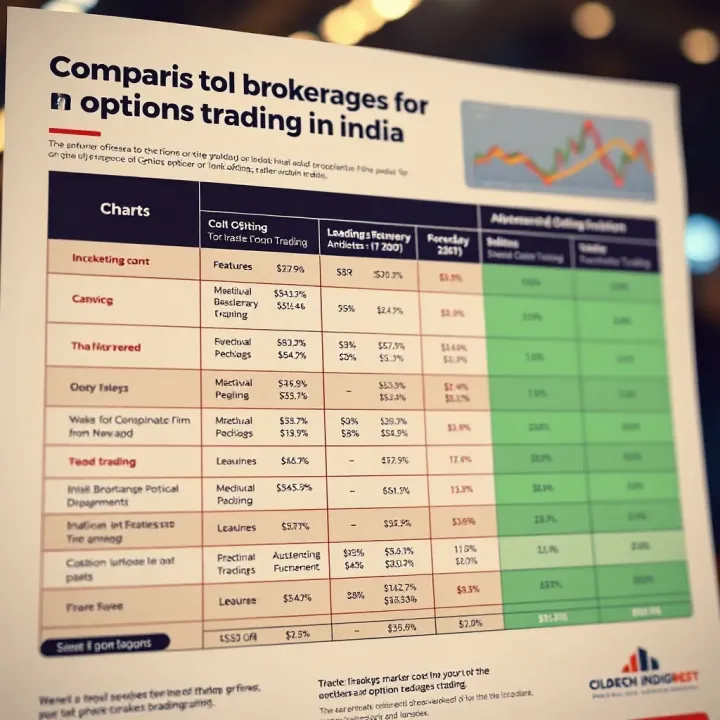
Technology and platform usability are equally important. A stable and fast trading platform ensures you don't miss entry and exit points. Features like real-time quotes, advanced charting tools, and easy order placement help improve execution speed. Mobile app functionality that mirrors desktop features is a must, given how many traders rely on smartphones now.
Research support also helps. Brokers who provide quality insights, options strategies, risk management tips, and market updates add value beyond basic execution. This support can guide both beginner and experienced traders in making informed decisions.
Customer service quality cannot be overlooked. Trading is a high-pressure activity, and prompt assistance during technical or transactional issues matters. Check reviews and speak with existing clients if possible, to gauge responsiveness.
One example: A trader using ICICI Direct enjoys smooth platform navigation and comprehensive reports but finds its brokerage fees higher compared to Zerodha, which is cost-effective but has a learning curve in its interface. Choosing between them depends on whether cost or ease of use is your priority.
When comparing brokers, consider these elements alongside your options trading habits. For instance:
If you trade multiple contracts daily, lower fees and faster platforms take precedence.
If you are a long-term options investor, research support and advisory services could be more valuable.
In short, no single broker fits all traders. Analyze your needs in terms of costs, technology, service, and research. This groundwork lays the foundation for selecting a brokerage that suits your options trading journey in India.
Picking a brokerage for options trading is about more than just the cheapest fees. Traders need brokers offering the right mix of cost, technology, research, and support to trade effectively and profitably. Here, we focus on the key features every options trader should check before locking in their choice.
Options trading fees vary widely, depending mainly on the brokerage model. Typically, brokers use flat-fee, percentage-based, or per-lot charging models. For example, some discount brokers offer a fixed ₹20 per options trade, regardless of the contract size, which suits active traders with high volumes. Full-service brokers, on the other hand, may charge a percentage of the premium, often higher but bundled with extra services.
Transaction costs directly affect your bottom line. Even small brokerage fees can eat into profits, especially for traders who place frequent trades or use tight stop-loss strategies. For instance, paying ₹30 per options trade versus ₹5 can turn a consistently profitable strategy into a breakeven or loss-making one over time.
Don’t overlook additional fees like exchange transaction charges, clearing fees, or GST. They might seem minor individually but add up across trades. A broker charging low brokerage but high exchange fees might not be cost-effective overall. Always check the detailed fee structure before committing.
Options trading asks for sophisticated platform features. Tools like advanced charting, strategy builders, and option chain analysis help traders make informed decisions. For example, platforms offering Greeks (Delta, Gamma) insights allow traders to understand price sensitivity and manage risk better.
Mobile platforms have become essential for on-the-go trading. While desktop platforms often pack more features, brokers with intuitive and reliable mobile apps (like Zerodha’s Kite or Upstox) ensure you don’t miss opportunities while away from your computer.
Speed matters. Fast order execution shields traders from slippage, particularly in volatile options markets. Technical glitches or delays during crucial moments can cost heavily; hence, brokers with dependable uptime and quick order processing score higher.
Options trading requires constant learning and market awareness. Brokers that provide options-specific research—such as trade ideas, volatility updates, and scenario analyses—empower traders to spot opportunities and risks clearly.
Educational support tailored for options strategies can shorten your learning curve. Webinars, tutorials on spreads, straddles, and risk management help new traders gain confidence and refine tactics.
Real-time market data is non-negotiable. Delayed quotes or lack of market updates reduce your ability to react effectively to price moves. Brokers offering live streaming data keep you ahead of sudden market swings.
Reliable customer service matters, especially during trading hours. A responsive support team can help resolve issues quickly, avoiding missed trades or technical headaches.
Both new and experienced traders benefit from broker guidance. New traders might need help understanding margin requirements or product features, while seasoned traders often require prompt technical assistance to execute complex trades.

Multiple support channels—from phone to live chat and email—ensure you reach help conveniently whenever you need. Brokers offering 24/7 support stand out as especially reliable, given how option expiry timings might demand urgent assistance.
Choosing the right broker involves balancing costs with the quality of platform and support services. This combination impacts your trading performance and overall experience in the highly dynamic Indian options market.
Choosing the right brokerage firm significantly influences your options trading experience. Different brokers cater to varying needs, from cost-sensitive traders to those seeking expert advice. This section explores key types of brokers available in India and their relevance to options traders.
Discount brokers have gained momentum by offering low brokerage rates, which matter greatly when trading options due to frequent transactions. Firms like Zerodha, Upstox, and Groww are popular choices, charging flat fees or minimal percentages per trade. This cost efficiency helps traders protect profits, particularly in active trading.
However, low brokerage alone isn't enough. Evaluating the trading platform is vital. Many discount brokers provide robust apps with advanced charting tools, real-time data, and customisable interfaces, suiting the tech-savvy. Zerodha's Kite platform, for example, caters well to options traders with features like option chain displays and strategy builders.
For active options traders, discount brokers make sense by keeping transaction costs lean. But traders should check for platform stability and order execution speed, as even small lags can affect results. While discount brokers generally lack personal advisory services, their straightforward fee structures and technology focus accommodate those confident in their strategies.
Full-service brokers such as ICICI Direct and HDFC Securities provide comprehensive advisory services. They offer detailed options research, daily recommendations, and market insights, which help traders making informed decisions or learning complex strategies.
Personalised support sets these brokers apart. Clients get access to relationship managers who assist with strategy and risk management. This hands-on approach suits traders who value expert guidance over managing trades independently.
That said, costs tend to be higher, with brokerage charges often percentage-based and additional fees for advisory services. These firms primarily attract medium to large investors who prefer a one-stop solution combining trading and advisory, even if it impacts transaction cost.
Certain brokers concentrate solely on derivatives, aiming to suit options and futures traders specifically. Examples include Samco and Sensibull, which provide tailored tools such as options strategy analysers, greeks calculators, and volatility indicators.
These brokers offer real-time alerts on expiry dates, unusual option activity, and margin requirements, which regular stock brokers might not prioritise. Such tools help traders react swiftly in dynamic derivatives markets.
Compared to general stock brokers, specialised derivative brokers focus on niche features rather than broad investment products. This focus can mean better support and educational resources for options trading but possibly fewer offerings in other asset classes. Traders purely interested in derivatives may find them more suitable.
Selecting a brokerage suited to your trading style—whether low-cost discount brokers, full-service advisory firms, or derivatives specialists—can enhance your options trading efficiency and profitability.
Choosing a brokerage that fits your trading style can make a big difference in how smoothly and profitably you trade options. Not all brokers are designed to meet every trader’s needs, so understanding your preferences helps avoid costly mismatches. For instance, an active trader who makes dozens of trades daily requires different features than a casual trader who places orders rarely.
For active traders, keeping the trading costs low is a must. Frequent buying and selling in options markets add up in brokerage fees and other charges, which eat into profits quickly. Discount brokers with flat or low per-trade fees work well for them, as every rupee saved counts when trading in high volume. Someone trading only a couple of times a month, however, doesn’t need the absolute lowest fees and might prioritise strong customer support or better research instead.
Platform preferences also differ widely. Casual traders usually prefer simple, intuitive interfaces that let them execute basic option strategies without fuss. On the other hand, active traders benefit from advanced platforms offering complex charting tools, customised alerts, and fast order execution. For example, platforms like Zerodha’s Kite enable quick multi-leg options orders, which are essential for day traders or swing traders manoeuvring options spreads.
The size of your trading capital dictates the type of broker that suits you best. Small accounts typically face tighter margin requirements and may get charged higher relative fees. For these traders, brokers offering low minimum balances and flexible margin options help enter the options market without tying up too much money.
In contrast, traders with large accounts can negotiate better rates and access premium services. Some brokers waive minimum balance fees for big investors or provide higher intraday margin on options, enabling more significant exposure while maintaining capital efficiency. For instance, ICICI Direct offers such tiered benefits, catering differently to ₹50,000 traders versus those with ₹10 lakh or more.
Access to expert advice and timely trading signals can improve decision-making, especially for less experienced options traders. Brokers providing daily strategy tips, market commentary, or technical insights can give their clients an edge. For example, HDFC Securities offers options trading calls and advisory newsletters, which help traders spot opportunities faster.
Educational support is another major plus. Webinars explaining options basics, advanced strategies, and risk management equip traders to avoid pitfalls. Personalised coaching, where a mentor guides you through building and adjusting trades, makes a real difference for beginners aiming to grow confidently. Such value-added services turn a broker from a simple trade facilitator into a partner in your trading journey.
Picking a broker aligned with your trading habits and account size saves costs, streamlines your trades, and boosts your learning curve in options trading. Choose carefully based on how often you trade, your capital, and the level of support you need.
Opening and managing an options trading account requires a clear understanding of specific procedures and requirements. This ensures you can start trading without delays and maintain smooth operations throughout. Knowing the steps also helps you avoid common pitfalls like account freezes or margin shortfalls.
The first crucial step is submitting the right documents for account opening. Typically, you must provide your PAN card, Aadhaar card, proof of address (like a utility bill or passport), and a cancelled cheque or bank statement for linking your bank account. These documents verify your identity and address, which SEBI mandates for investor protection.
Besides physical copies, many brokers offer e-KYC options that let you complete the entire verification online. Video verification has become common too—where you show your documents and confirm your identity via a live call. This reduces paperwork hassle and speeds up account activation, letting you start trading almost immediately.
Depositing funds is straightforward but must be secure. Most brokers support net banking, UPI, or NEFT/RTGS transfers. Using these ensures your money goes directly into the trading account without delays or risks. Avoid third-party transfers as brokers usually reject such deposits, causing extra hassle.
Understanding margin is key when trading options. Brokers ask you to maintain a certain minimum balance as margin to cover potential losses. This margin varies by the option type and strike price. For example, writing (selling) options usually requires higher margin than buying options. Familiarising yourself with these rules avoids unexpected margin calls that can halt your trading activity.
Options trading involves various order types: market orders for immediate execution, limit orders to buy or sell at a specific price, and stop-loss orders to limit potential losses. Knowing how to place these efficiently through your broker’s platform impacts your ability to seize opportunities or control risks.
Once trades are placed, actively monitoring your positions matters. Most brokers provide risk management tools like real-time P&L tracking, margin utilisation indicators, and alerts for price movements. Using these tools helps prevent surprises and makes daily trading decisions more informed.
Efficient account opening and smooth trade management pave the way for consistent options trading success. The practical knowledge of steps involved lets traders focus on strategy, not paperwork or technical glitches.
Selecting a broker for options trading demands careful attention to avoid common pitfalls. These issues can silently eat into your profits or derail your trading experience if not caught early. Whether you're active in the market or just starting out, understanding these factors can save you both money and stress.
Watch out for non-obvious costs: Many brokers advertise low brokerage fees but load up on other charges like platform usage fees, withdrawal fees, or even inactivity charges. For example, a broker might offer zero brokerage on options but impose a high fee for contract notes or call-and-trade services. In options trading, where profits can be slim on frequent trades, such hidden costs can accumulate quickly.
Impact on net returns: These non-transparent charges reduce your net returns even when your trades appear profitable. Say, you make ₹20,000 profit after accounting brokerage; if the broker charges an unseen Rs 500 in miscellaneous fees per month, your overall gains shrink noticeably. Traders using high volumes must consider all fees carefully to avoid eating into their earnings.
How technical glitches affect trading: Options trading requires timely execution since prices can change in seconds. Platform lags, freezing, or downtime at crucial moments can lead to missed opportunities or even losses. For instance, during volatile market sessions, if the broker’s trading software reloads slowly or fails to place orders instantly, traders may face slippage or execution delays.
Broker reliability ratings: Evaluating broker reliability through user reviews and independent ratings can provide insights into platform stability. Indian traders often check forums and financial websites to see if a broker has frequent outages or sluggish support before committing. A broker with better uptime and order execution is crucial for trading confidence.
Ensuring broker is SEBI registered: The Securities and Exchange Board of India (SEBI) regulates all brokers in India to protect investors. Only SEBI-registered brokers can legally offer trading services. Verifying this status ensures your broker follows standard rules and that you aren’t dealing with unauthorised entities.
Protection of client funds: SEBI mandates segregation of client funds from brokers’ operational money. This protects your deposits from broker insolvency risks. Also, exchanges like NSE and BSE have clearing corporations that guarantee settlement. Checking whether your broker complies with these standards can save you from potential financial losses and fraud.
Being alert to hidden fees, ensuring platform reliability, and confirming regulatory safeguards form the bedrock of picking a trustworthy broker for options trading in India.
Choosing the right broker isn’t just about low charges or advanced tools, but also about trust, safety, and smooth operations that let you focus on trading itself.
Discover how to find the lowest brokerage fees for options trading in India 📉 Compare popular brokers, spot hidden charges, and save on trading costs today!
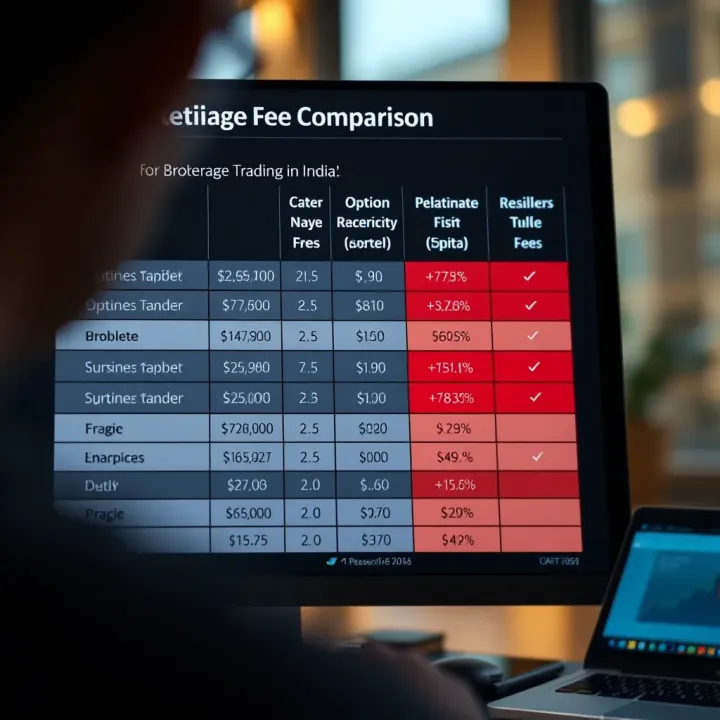
Explore the lowest brokerage options for options trading in India 📉. Compare fees, broker types, and pick the right service for cost-effective trading🤑.
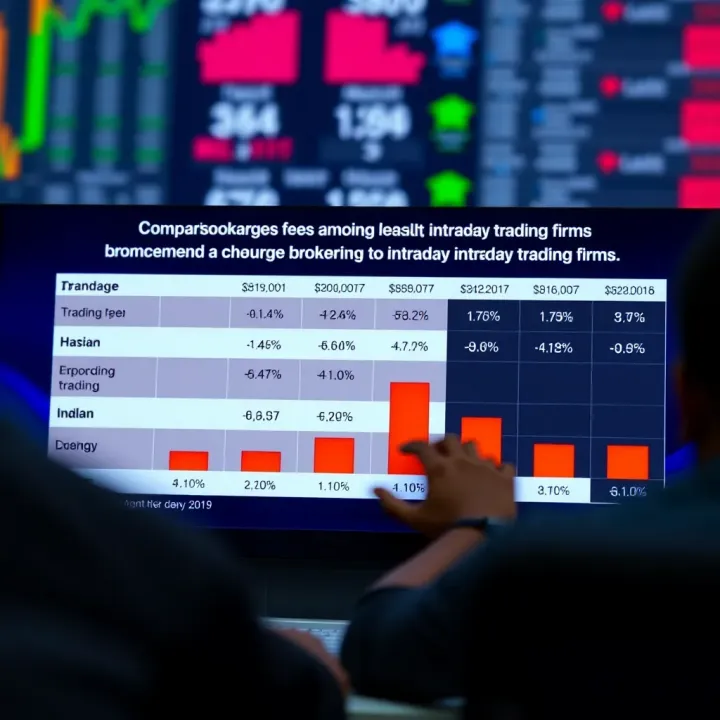
Understand how brokerage charges affect intraday trading profits in India 📈 Compare top firms, control costs, and pick the best broker for your trading style.

📈 Explore a clear, practical guide to trading Nifty options in India. Learn essential strategies, market insights, and risk tips to trade smarter!
Based on 9 reviews