

Choosing the Best Trading App for Indian Investors
📈 Discover how to pick the best trading app in India! Explore features, security, user experience & regulatory fit to boost your investments wisely.
Edited By
Daniel Morgan
In India's growing stock market, picking the right trading app can make a significant difference to your investing experience and returns. With numerous apps available—from Zerodha Kite and Upstox Pro to Angel Broking and Groww—investors face the challenge of choosing a platform that suits their needs.
A trading app should offer not just basic buying and selling options, but also real-time market data, user-friendly navigation, and secure transaction processes. Many users also look at app speed, seamless integration with banking systems like UPI or net banking, and helpful charting tools for technical analysis.
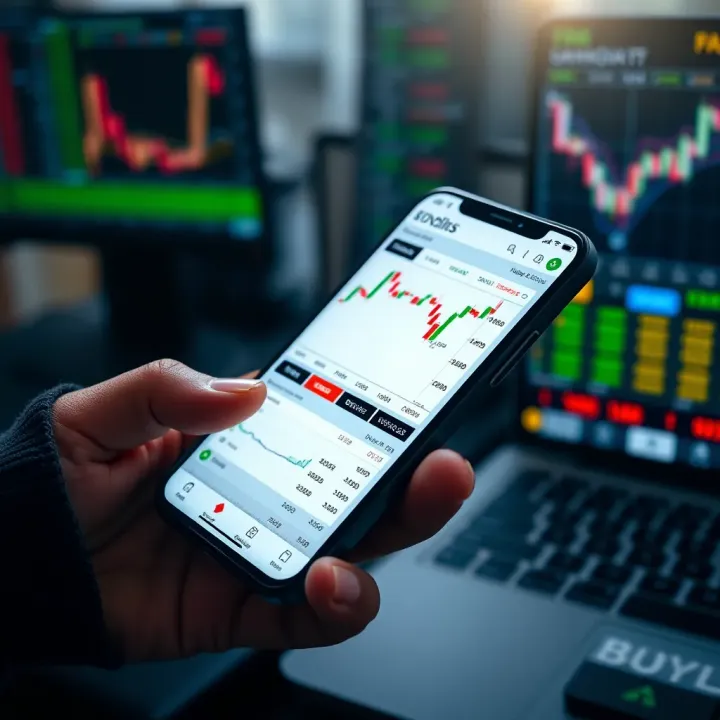
Security is key: Given the risks of cyber fraud, apps must comply with regulatory norms set by the Securities and Exchange Board of India (SEBI) and provide robust data encryption.
Features vary widely; some apps target beginners with simple interfaces and easy onboarding, while others cater to traders with advanced charts, margin facilities, and multiple order types. For example, Zerodha Kite’s clean layout suits those who want straightforward access, while Upstox offers pro-level trading tools for experienced users.
Cost structures also differ. Look closely at brokerage fees, account opening charges, and additional costs like call and trade fees or GST implications. Several platforms offer free equity delivery trades but may charge nominal amounts for intraday or futures trading.
Understanding these differences is crucial because what works for one investor may slow down another’s strategy. Whether you trade occasionally or make multiple daily trades, the choice of app can impact execution speed and overall cost.
In this article, you'll find a breakdown of essential app features, direct comparisons of popular platforms in India, and practical tips that help match an app’s capabilities with your trading goals and style.
Choosing an effective trading app is critical for investors in India due to the fast-paced and often volatile nature of markets here. A good app simplifies decision-making, ensures timely execution, and tracks investments efficiently. Without the right tools, even experienced traders can miss out on opportunities or face risks.
Real-time market data and charts are essential for making informed decisions. Markets in India, especially stocks listed on the NSE and BSE, often move quickly during trading hours. An app providing live updates helps you spot price trends and react accordingly. For example, Zerodha Kite offers detailed charts with multiple indicators, so you can analyse patterns without switching platforms.
Order types and execution speed matter when you want control over your trades. Beyond simple market orders, the app should support limit, stop-loss, and cover orders to manage risk. Execution speed is crucial too; delays can mean the difference between profit and loss, especially in volatile sessions like right after the RBI announces policy changes.
Portfolio tracking and analysis tools give you an overview of your investments and performance. Features that categorise holdings by asset class, sector, or time frame help investors spot imbalances or growth areas. Upstox Pro, for instance, offers clear portfolio summaries with profit/loss reports and day-wise trends.
Ease of navigation ensures you don’t waste time hunting for key functions. The interface should be intuitive, with well-organised menus and quick access to watchlists, order placement, and account information. Apps like Angel One keep things simple, so even first-time users are comfortable browsing and executing trades without confusion.
Customisation options let you tailor the app to your style. Whether it’s choosing which widgets appear on your homepage or setting alerts for specific stocks, customisation improves control and user satisfaction. For example, 5Paisa’s mobile app lets you rearrange modules and save preferred layouts.
Mobile responsiveness and stability are indispensable in India’s mobile-first ecosystem. The app should load fast, handle multiple simultaneous actions smoothly, and perform reliably during peak market hours. Frequent app crashes or sluggishness, even for a few minutes, can cost dearly. ICICI Direct’s app is known for its stable performance across various devices and network conditions.
In short, an effective trading app blends timely data, quick order execution, comprehensive tracking, and a user-friendly interface. These elements empower Indian investors to navigate markets responsibly and effectively, reducing stress and improving outcomes.
Trading apps in India come in different flavours, each designed to suit specific investor needs and trading styles. Understanding the categories helps investors choose platforms that fit their goals, risk appetite, and budget. For instance, a beginner might prefer a simple app with learning resources, while an experienced trader may require advanced charts and rapid order execution.
Features and support: These apps offer extensive services beyond just buying and selling stocks. They provide detailed research reports, personalised advisory, mutual fund investments, insurance options, and even IPO subscriptions. Customer support in such apps tends to be more accessible, with help available through calls, chats, or in-person branches if needed. Platforms like ICICI Direct and HDFC Securities exemplify full-service options popular among Indian investors.
Who benefits most from these apps: Investors seeking a one-stop solution with advisory support find full-service apps useful. If you prefer guidance in portfolio construction or want assistance navigating different asset classes, these platforms fit well. They suit those willing to pay higher brokerage fees for convenience and expert input, often common among moderate to long-term investors.
Cost advantages: Apps in this category focus on low-cost trading by cutting down on extra services. Zerodha Kite and Upstox Pro have gained popularity by offering zero commission on equity delivery trades and minimal brokerage on intraday and F&O trades. Investors who trade frequently or with smaller amounts can save substantial costs here.
Limitations to consider: While cheaper, these apps may lack in-depth advisory or personalised service. Tools and research might be basic compared to full-service competitors. Additionally, customer support can be slower or mainly online. Such platforms are ideal if you’re confident in your trading decisions and don’t need much handholding.

Key differences from equity trading apps: Trading derivatives or commodities demands more sophisticated tools like advanced charting, fast order placement, and access to multiple exchanges. Such apps often provide risk management features and real-time news on commodity markets, which equity-focused apps may not cover.
Who should consider these options: Experienced traders who focus on futures, options, or commodity contracts tend to prefer these apps. If your trading strategy centres on short-term market movements or hedging with derivatives, specialised platforms build the required depth. For example, platforms like Samco and Sensibull cater well to derivatives traders in India.
Choosing between these types depends on your investment style, cost sensitivity, and need for support. Knowing these categories helps narrow down options for a trading app that fits your unique requirements.
Choosing the right trading app matters because it directly influences your trading speed, ease of use, and access to various instruments. Indian investors face a lively market with diverse needs, from quick intraday trades to long-term investments. Popular trading platforms have developed features tailored to these needs, backed by user experiences and competitive pricing.
Zerodha Kite is a standout with its simple yet powerful interface, making it popular among both beginners and experienced traders. It offers seamless access to equities, commodities, and mutual funds, plus crisp charts and lightning-fast order execution. Kite's low brokerage fees make it appealing especially for active traders who want to keep costs under control without sacrificing quality.
Upstox Pro targets traders looking for a blend of high-tech charts and affordable pricing. Its mobile app supports advanced order types and real-time data, which benefits those who rely on quick decision-making during market swings. Upstox Pro also appeals to those wanting a smooth experience across devices, ensuring you can trade on the go without glitches.
Angel One combines the perks of a full-service broker with discount-like fees. Investors get research tips, portfolio advisory, and equity delivery options alongside competitive brokerage. This app suits those who want expert guidance coupled with flexibility in their trades and investments.
5Paisa positions itself as an economical choice, perfect if you want to trade without high upfront costs. Its flat-rate brokerage for all transactions suits frequent traders managing a tight budget. The app also supports SIP investments and mutual funds, which helps diversify beyond stocks.
ICICI Direct reflects the strengths of a traditional bank-backed platform with strong security and multiple investment avenues. It provides easy integration with banking services, making fund transfers and bill payments convenient alongside trading. For investors who prefer a comprehensive financial ecosystem within one app, ICICI Direct serves well.
Trading charges and brokerage are vital since costs eat into your profits. Apps like Zerodha Kite and 5Paisa offer flat or low brokerage, favourable for frequent trades. On the other hand, platforms providing research and advisory like Angel One may charge more but serve users seeking extra support.
User reviews and support reveal the reliability and service quality of trading apps. Responsive customer care and positive feedback reduce headaches during technical issues or query resolution. Upstox Pro scores well here for quick app updates and courteous helpdesk services.
Available investment options extend beyond equities. Mutual funds, derivatives, commodity contracts, and IPOs widen your portfolio possibilities. ICICI Direct shines by offering varied products, while Zerodha and Angel One give you the flexibility to explore different asset classes.
Picking the right trading app means balancing your priorities—cost, features, and support—to fit your trading style and goals precisely.
By assessing these popular apps through clear criteria, Indian investors can make smarter choices without getting overwhelmed by options.
Understanding the costs linked to trading apps is vital since they directly affect your net returns. Even small fees can add up over time, especially with frequent trading. This section helps you sift through various charges so you can pick an app that fits your trading habits without taking an unnecessary bite out of your profits.
Brokerage fees come in two common types: fixed and percentage-based. Fixed fees mean you pay a set amount per trade, say ₹20, regardless of the deal size. Percentage-based fees charge a fraction of the trade value, for example, 0.05% per transaction. For small trades, fixed fees might feel steep, but they become cost-effective for large transactions. Percentage fees usually scale with trade size but can hit your pocket heavily if you do frequent small trades.
Frequent traders and occasional investors feel these fees differently. Suppose you trade daily with a fixed ₹20 charge; your total fees will quickly pile up, slashing your earnings. On the other hand, occasional investors placing few trades will find fixed fees predictable and manageable. Percentage fees suit active traders who deal in larger volumes, as these fees match their trade size and might add up less than fixed fees for large transactions.
Demat account annual maintenance charges (AMC) often fly under the radar but affect your overall cost. Most brokers charge between ₹300 to ₹800 yearly to maintain your demat account—a must-have for holding securities. If you trade infrequently, a high AMC might outweigh your trading benefits, so lookout for brokers offering zero or low AMC, especially when you are just starting.
Transaction and platform fees are additional costs some apps levy. These can include per-trade transaction fees, data subscription costs, or charges for accessing advanced charts and tools. For example, some apps charge for real-time market data beyond basic quotes. While these might seem minor individually, they can add up, especially if you use such features regularly. Always check the fee schedule to understand these charges clearly.
Hidden costs and fine print cause many investors unpleasant surprises. Some brokers impose penalties for order cancellations, inactivity fees if you don’t trade for months, or charges for fund transfers beyond a limit. These subtle costs might not be obvious upfront but impact your profits in the long run. Reading the fine print and customer reviews can help uncover such hidden expenses.
Remember, clear knowledge of all costs helps you choose a trading app that suits your style and keeps your profits intact.
Choosing a trading app with transparent, reasonable fees ensures your investments flourish rather than get eaten up by charges.
Security and regulatory compliance form the backbone of trust in trading apps. For Indian investors, these factors are essential to ensure funds and sensitive personal data remain protected, while the app operates within legal frameworks set by authorities like the Securities and Exchange Board of India (SEBI). Without proper security measures and regulatory backing, users risk fraud, data breaches, and potential loss of investments.
Data encryption and account protection are fundamental security features in any trading app. Encryption scrambles your information during transmission and storage, making it unreadable to hackers. For example, when you place an order through an app like Zerodha Kite, your transaction data is encrypted using strong protocols like TLS (Transport Layer Security). This ensures that your trade details, login credentials, and personal info are shielded from interception, especially on public or unsecured networks.
On top of encryption, many apps use secure servers with firewalls and regular security audits to keep account data safe. Investors should look for apps that clearly mention these standards and regularly update their security infrastructure to deal with emerging threats.
Two-factor authentication (2FA) adds an extra layer of security beyond just a password. Here, after entering your password, you must provide a second verification—such as a one-time password (OTP) sent to your registered mobile number or an authentication app code. This means that even if someone steals your password, they cannot access your account without the second factor.
Apps like Angel One and Upstox Pro mandate or recommend 2FA because it effectively stops unauthorised access. For Indian investors, enabling 2FA can prevent unauthorised trades and the misuse of brokerage accounts, especially in cases of phishing attacks or data leaks elsewhere.
SEBI registration and guidelines are vital signs of a legitimate trading app. All brokers and trading platforms operating in India must be registered with SEBI, which sets rules to protect investors and ensure fair market practices. When an app clearly states its SEBI registration number and compliance with its norms, it shows transparency and accountability.
For instance, apps like ICICI Direct and 5Paisa display their regulatory credentials prominently. This registration means they have to follow strict audit and reporting rules, maintain client fund segregation, and meet capital requirements—offering investors peace of mind about the platform’s reliability.
Investor grievance redressal mechanisms are another important feature. Despite best efforts, issues like transaction errors, fund delays, or app glitches can arise. A trading app aligned with SEBI norms generally provides a clear process to address complaints, whether through an internal grievance cell or escalation channels such as SEBI’s SCORES portal.
Having accessible and responsive customer support is crucial. For example, if you face trouble withdrawing funds or notice unauthorised transactions, a swift grievance mechanism can help resolve matters efficiently, preventing potential losses or extended disputes.
Strong security features combined with SEBI oversight ensure that your investments stay protected, and any issues can be resolved with the backing of recognised regulatory authorities. Choosing apps with these standards reduces risks and makes your trading experience smoother.
In summary, prioritising trading apps with end-to-end encryption, two-factor authentication, and SEBI registration is essential. Also, check their grievance redressal process before you commit your money. These factors together create a safer and more trustworthy environment to engage with the stock markets.
Selecting the right trading app involves more than just checking features and brokerage charges. Practical considerations such as matching the app to your trading style, testing it before investing money, and ensuring ongoing support play a significant role. These steps help avoid surprises and improve your trading experience.
Beginner-friendly features are essential if you are just starting out. Look for apps that offer easy navigation, educational resources, and simple order types like market and limit orders. For instance, many beginners find Zerodha Kite approachable because it includes easy-to-understand charts and paper trading to practise. Such apps reduce the learning curve and help build confidence without feeling overwhelmed.
Advanced tools for experienced traders cater to those who rely on in-depth research and fast execution. Features like advanced charting, algorithmic order placement, and real-time market scanners become crucial here. Upstox Pro and Angel One offer such tools for seasoned traders, including customised watchlists and technical indicators. If you regularly trade derivatives or multiple asset classes, an app with these capabilities suits your needs better.
Using demo accounts lets you explore an app’s interface and features risk-free. Demo modes simulate live market conditions, letting you place and track virtual trades. This hands-on trial shows how the app performs with your trading style before any money is at stake. For example, many Indian brokerages like 5Paisa offer demo accounts so you can test their speeds and order execution processes.
Checking app stability during market hours is another vital step. Some apps crash or slow down during peak trading times, which can cost you valuable trades. Before committing fully, monitor app behaviour during high-volume periods, such as the Sensex opening or close. Reliable apps maintain stable connectivity and quick updates, giving you an edge in fast-moving markets.
Regular software updates matter because markets and technology change constantly. Updates fix bugs, introduce new features, and improve overall security. An app that gets updated frequently shows the provider’s commitment to keeping your trading smooth and safe. For example, ICICI Direct regularly rolls out updates to enhance its mobile app’s performance and add features.
Customer service responsiveness can make a big difference when you face technical or account issues. Quick and helpful support reduces downtime and frustration. Look for brokers with multiple support channels such as chat, email, and phone, and check reviews to gauge how effectively they help users. After all, even the best app will need support at some point.
Practical steps like these ensure not just a good start but a sustained, hassle-free trading experience tailored to your requirements.
📈 Discover how to pick the best trading app in India! Explore features, security, user experience & regulatory fit to boost your investments wisely.
📈 Looking for the most reliable trading app in India? Discover how to choose platforms with strong security, low fees, easy use, and great support.
📈 Explore top online stock trading apps in India! Learn features, costs, legal tips, and safe trading practices to start smart investing today.
Looking for the most trusted trading app in India? 📱 Discover key tips on security, user experience, and support to trade confidently and safely.
Based on 14 reviews