
Best Demo Trading Apps in India Reviewed
Explore the top demo trading apps in India 📱 Compare features, ease of use, and benefits to practice trading safely before risking real ₹₹. Ideal for all skill levels!
Edited By
Emma Collins
India’s stock market has become increasingly accessible, thanks largely to a range of free stock trading apps that cater to both beginners and seasoned traders. These apps offer a straightforward way to buy and sell shares without paying hefty brokerage fees, making investing less intimidating and more cost-effective.
Choosing the right trading app depends on practical factors like usability, reliability, and the kind of features it offers. For example, real-time market data, charting tools, and quick order execution matter a lot if you want to react swiftly to market movements. For beginners, intuitive design and educational support can help ease the learning curve.
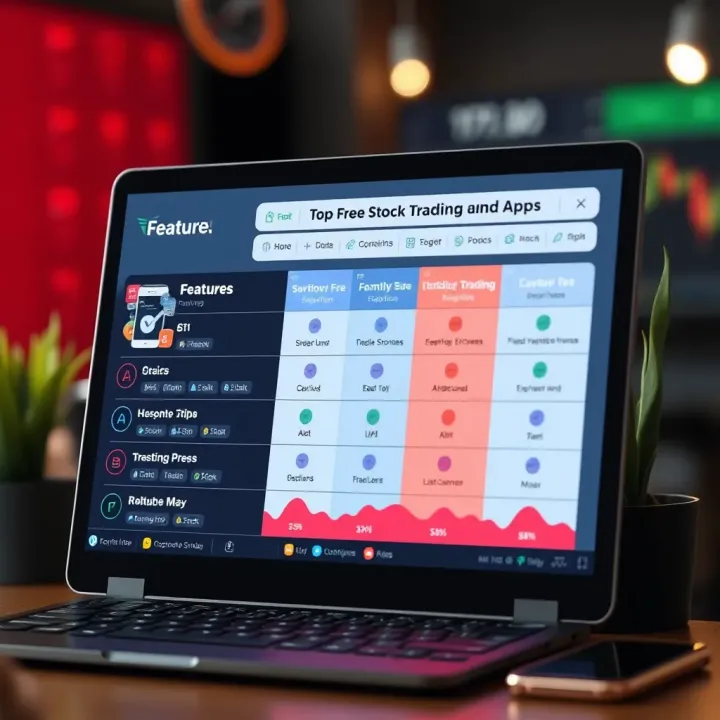
Several apps have carved their place among investors in India. Zerodha’s Kite, for instance, is known for low latency and clean UI, while Upstox Pro offers powerful charting capabilities and multiple order types. Groww appeals to those who prefer simplicity with direct mutual fund investments alongside stocks. Angel One (formerly Angel Broking) combines advisory services with a robust app. Each platform usually supports both Android and iOS, providing handy features like watchlists, alerts, and comprehensive portfolio tracking.
Keep in mind that none of the apps fully exempt you from all charges. Regulatory fees and taxes like Securities Transaction Tax (STT) still apply, but these platforms waive brokerage fees for equity delivery trading and often for intraday and F&O segments too.
When evaluating these apps, consider:
User experience: How easy is navigation? Can you find essential tools without hassle?
Market coverage: Do they cover NSE and BSE seamlessly?
Order types: Limit, market, stop-loss—are these available?
Customer support: Can you get timely help when issues arise?
Security features: Options like two-factor authentication are crucial to safeguard your investments.
This guide will examine popular free stock trading apps in detail, so you can pick the one that fits your style and investment goals without stretching your budget.
Stock trading apps have become indispensable tools for modern investors in India. These apps offer convenient access to the equity markets, letting users trade and monitor stocks right from their mobiles. Their relevance lies not just in bringing markets to your fingertips but also in shaping how people approach investment decisions.
Trading apps have significantly lowered the barriers for investing, moving it from exclusive broker offices to everyday smartphones. For instance, platforms like Zerodha and Groww have popularised online trading with simplified interfaces that anyone can navigate. This shift means retail investors in smaller towns or tier-2 cities now actively participate in the stock market, often making informed decisions based on real-time data and notifications.
The immediacy of these apps encourages investors to stay updated with market movements and execute trades quickly, which wasn’t practical before. Moreover, many apps also feature educational content and research tools that improve user knowledge, reducing blind speculation. But this fast access can also tempt users into impulsive trades, highlighting the need for understanding market fundamentals and risk management.
Free stock trading apps resonate well with Indian retail investors primarily because they reduce upfront costs. Zero brokerage means investors can test strategies or start small without worrying about eating into their returns with hefty fees. For example, apps like Upstox Pro and Angel Broking offer free equity delivery trades, which is a major draw for beginners or those with limited capital.
Besides cost savings, these apps often come bundled with user-friendly interfaces and integration with UPI and net banking, making deposits and withdrawals hassle-free. The lack of hidden charges and transparent fee structures further boost trust among users. Plus, the mobile-first design suits India’s ever-growing smartphone base, enabling investors to trade even during daily commutes or while managing other errands.
Free trading apps have effectively democratized stock market access in India, putting the power to invest in the hands of millions without the burden of high fees or complex processes.
In brief, understanding the evolution and benefits of stock trading apps helps investors select the right platform aligned with their goals. This overview sets the stage to explore key features, app comparisons, and practical tips ahead in the guide.
Choosing the right free stock trading app is more than just looking at zero brokerage. The app should balance ease of use, speed, security, and valuable market data to truly support your trading decisions. Each feature plays a role in making your investment experience smooth and efficient.
A clean and straightforward user interface (UI) is crucial, especially for newcomers. It should let you place orders, track portfolios, and access research tools without jumping through hoops. For instance, Groww’s app is popular for its minimalistic design that simplifies stock buying and portfolio viewing, making it suitable for first-time investors. Meanwhile, Zerodha Kite balances functionality and simplicity, allowing users to switch between multiple charts or watchlists with just a tap.

In stock trading, seconds matter. A reliable app must process your buy or sell orders swiftly, even during peak market hours. Delays can lead to missed opportunities or losses. Thus, apps like Upstox Pro offer high-speed trade executions with minimal downtime. This is crucial if you are trading intraday or want to react quickly to market movements.
Good apps provide at least basic research tools and real-time market data to help you make informed decisions. Access to live charts, technical indicators, company financials, and news updates can be a game-changer. Angel Broking integrates expert advice, market insights, and detailed stock analysis within the app itself. This reduces the need to jump between multiple platforms, saving you time and effort.
Security is non-negotiable when handling your money and sensitive data. Trusted apps adhere to guidelines laid down by the Securities and Exchange Board of India (SEBI) and maintain stringent protection protocols such as two-factor authentication and encrypted transactions. They regularly update their software to patch vulnerabilities. Ignoring app security risks your funds and personal details, which can have severe consequences.
Always check if the app partners with reputable banks and custodians for your funds and whether it offers alerts for unusual account activity.
By focusing on these features, you can select an app that not only saves on costs but also empowers you with tools and protections for better investing outcomes.
Free stock trading apps have transformed how Indians engage with the markets. They remove barriers like hefty brokerage fees and complex processes, making investing accessible even for newcomers. That said, choosing the right app matters a lot because it affects how smoothly you can trade, the quality of research tools available, and the trustworthiness of the platform.
Zerodha Kite is a staple in India's trading community, well-known for its minimal charges and reliable service. It offers a lightweight, fast app that supports seamless order execution, which is critical for active traders. The app's clear charts and integrated tools let you analyse stocks without switching platforms. A unique advantage is its integration with Coin for direct mutual fund investments, making it easy to manage multiple asset classes in one place.
Upstox Pro stands out with its advanced charting and technical analysis tools that appeal especially to seasoned traders. The app handles high volumes well, which means less lag during volatile market periods. It also supports multiple order types and has strong customisation options, allowing you to tailor your trading interface. For beginners still getting the hang of things, Upstox Pro ensures quick access to educational content through its dashboard.
Groww has carved a niche among novice investors with its simple and clean interface. It avoids jargon, making investment concepts easier to grasp. The app combines stock trading with mutual funds under one roof, streamlining portfolio management. Its step-by-step guidance helps users place their first orders confidently. Plus, its paper trading feature lets you practise strategies without risking real money, which is quite handy for learners.
Angel Broking's app blends technology with personalised advice. Its smart assistant, ARQ, uses algorithms to suggest stocks and investments suited to your profile, which is useful if you prefer some guidance. The platform offers a blend of zero brokerage on equity delivery trades and competitive rates elsewhere. Real-time market feeds and alerts keep you updated without overwhelming you.
When picking a stock trading app, consider factors like execution speed, ease of use, research support, and costs. Popular free apps like Zerodha Kite, Upstox Pro, Groww, and Angel Broking cater to different user needs, so matching the app to your trading style and experience level is key.
Choosing any of these apps can be a solid start, but remember that consistent learning and cautious investing matter more than just the app's bells and whistles.
Costs play a significant role when choosing a free stock trading app in India. While many platforms advertise zero brokerage, there can be other fees that eat into your gains. Comparing these costs upfront prevents surprises later and helps you pick an app that truly suits your trading style and investment size.
Some apps like Zerodha Kite and Upstox promote zero brokerage on equity delivery trades. This means if you buy shares and hold them for more than a day, you do not pay brokerage. However, for intraday trades or F&O (futures and options), these platforms often charge a nominal brokerage, usually a fixed fee per trade rather than a percentage of the trade value.
Other apps might offer zero brokerage on all trades but charge higher fees via other channels such as account maintenance or premium services. For example, Groww offers zero brokerage on equity delivery but charges for mutual fund investments or additional features.
Understanding these fee structures helps you find the best fit. If you plan frequent intraday trading, a fixed brokerage per trade might be cheaper than a percentage-based fee. Conversely, long-term investors benefit most from zero brokerage delivery trades.
Apart from brokerage, watch out for exit loads and withdrawal charges. Some platforms apply an exit load if you sell shares within a specific period after purchase, discouraging short-term flips. For instance, a platform might charge 0.01% if you exit early, which could add up with frequent trading.
Withdrawal charges can also surprise users. While transferring funds to your bank account is generally free, a few apps levy a small fee for faster withdrawals or IMPS/NEFT transfers. It's crucial to check these details in the app’s fee schedule.
Other possible hidden costs include:
Account opening fees: Rare but still present in some old-school brokers.
Annual maintenance charges (AMC) for Demat accounts: Usually ₹300-₹600 per year.
GST and statutory levies: These are mandatory taxes added to all brokerage fees.
Keeping an eagle eye on these costs ensures you don’t lose money unknowingly, especially when trading with small sums where charges can disproportionately affect returns.
To summarise, zero brokerage apps can still come with other costs. Compare all charges – brokerage, exit loads, withdrawal fees, and AMC – before settling on an app. This detailed understanding lets you manage expenses better and trade more confidently.
Navigating the world of stock trading can feel overwhelming, especially for beginners. Using free trading apps provides a low-cost way to start, but understanding how to use them effectively is key. These apps put powerful tools in your hands, yet without some basic know-how, your experience might not be as rewarding as it could be. This section offers practical tips focused on small investments, comprehending order types, managing risks, and securing your account.
For beginners, it’s wise to start trading with smaller amounts. Investing modest sums reduces financial stress and gives you room to learn from mistakes without big losses. Systematic Investment Plans (SIPs) are particularly handy in this regard. Many apps let you set SIPs in mutual funds or equities, allowing you to invest fixed sums regularly, say ₹1,000 every month. This habit not only averages out market volatility but also helps in disciplined investing. For instance, Groww and Zerodha Kite both support straightforward SIP setups, making it easy for novices.
Knowing the difference between order types—like market orders, limit orders, and stop-loss orders—is crucial. Market orders execute immediately at the current price, but may result in slippage during volatile periods. Limit orders allow control over buying or selling prices, but they might not get executed if the price doesn't meet your limit. Stop-loss orders help protect your investments by automatically selling a stock when its price falls to a set level, limiting potential losses.
Risk management goes hand in hand with order knowledge. Beginners should diversify their portfolios rather than putting all their funds into one stock or sector. Using stop-losses and avoiding trading on tips without research also help mitigate risks. Many apps like Upstox Pro offer in-built risk management tools and alerts which can be customised to your comfort level.
Security is often overlooked but remains crucial when trading. Ensure your chosen free trading app provides two-factor authentication (2FA) and encrypts sensitive data. Never share your login credentials or one-time passwords (OTPs) with others. Avoid using public Wi-Fi while trading, as it’s prone to hacking. Keep your mobile’s operating system and the app updated to guard against vulnerabilities. Additionally, apps regulated by the Securities and Exchange Board of India (SEBI) generally follow strict compliance standards, offering added safety.
Protecting your account should be your top priority—losing access or falling prey to scams can wipe off your investments quickly. Always stay alert.
In summary, beginners will benefit greatly by starting small with SIPs, learning key order types and risk strategies, and securing their accounts thoroughly. Free trading apps make investing accessible, but combining them with good practice is what leads to success and peace of mind.
Explore the top demo trading apps in India 📱 Compare features, ease of use, and benefits to practice trading safely before risking real ₹₹. Ideal for all skill levels!

Explore top online trading apps in India 📱 – features, costs, security, and regulations explained. Choose the best platform for your investing success today!

Explore top Indian trading apps that let beginners practice without investment 📱 Learn key features, benefits & tips to trade confidently with zero risk 🚀

Explore AI trading apps in India📈 offering automated strategies, real-time analysis, personalized advice, legal insight, plus features and risks to know before investing💡
Based on 11 reviews