

Lowest Investment Trading Apps for Beginners in India
Explore top trading apps in India that need low investment 📱💰 Learn fees, risks, and tips to start small and grow your returns wisely.
Edited By
Thomas Reed
Starting with trading can feel overwhelming, especially when faced with numerous trading apps available in India. The right app makes all the difference, as it helps beginners trade confidently and securely without getting lost in complex features or hidden costs.
Choosing a trading app involves looking beyond just flashy interfaces or catchy ads. You need an app that offers a user-friendly experience, clear pricing, and reliable support tailored to newbies.

A good beginner's trading app should simplify processes, not complicate them.
Here are some core things beginners should consider:
Ease of Use: The app should have an intuitive layout, minimal jargon, and clear instructions. For example, apps like Zerodha Kite and Upstox provide clean interfaces ideal for first-timers.
Cost Structure: Brokerage fees and other charges vary widely. Beginners should look for apps with low or no charges on minimum trades to avoid unnecessary expenses.
Educational Support: Access to tutorials, glossaries, and demo trading accounts helps new investors learn without risking real money.
Customer Service: Reliable support via chat, phone, or email is crucial, especially during initial trades.
Security Features: Look for apps offering two-factor authentication and data encryption to protect your investments.
Product Range: A good app provides access to multiple markets like stocks, mutual funds, and ETFs, giving beginners flexibility.
Selecting a trading app isn't just about technology; it’s about creating a safe and smooth start to your investment journey. Armed with this understanding, you can confidently explore and find a platform that suits your needs and ambitions in the Indian market.
When choosing a trading app, particularly for beginners in India, several key features should guide your decision. These features impact how smoothly you can navigate the app, manage investments, and learn along the way. Understanding these aspects helps prevent costly mistakes and provides a better trading experience.
Simple account setup is critical for new investors. Many first-time users prefer apps that require minimal paperwork and offer straightforward steps for registration. For example, platforms that allow Aadhaar or PAN-based e-KYC verification help complete account opening in a day or two. This saves time and reduces hassle, especially for those unfamiliar with complex paperwork.
Easy order placement and tracking is equally important. Beginners should look for apps where buying or selling stocks, mutual funds, or derivatives does not involve multiple confusing screens. Ideally, the app should let you place orders in a few taps and track the status clearly. Features like real-time updates, order history, and simple alerts help users stay informed without needing constant checks.
Offering equities, mutual funds, and derivatives on the same platform is a practical plus. This variety lets investors experiment safely by starting with mutual funds before moving to stocks or derivatives. For instance, an app that allows you to invest in SIPs (Systematic Investment Plans), alongside intraday or delivery trading, caters to different risk appetites and learning stages.
Access to multiple exchanges like NSE (National Stock Exchange) and BSE (Bombay Stock Exchange) expands your investment opportunities. A trading app that integrates both gives you wider stock choices and better pricing for trades. This can be especially useful during volatile markets when prices differ slightly across exchanges, allowing better entry or exit points.
Brokerage fees directly affect how much you pay for trading. Beginners must compare flat fees versus percentage-based charges. For example, Zerodha offers flat ₹20 per trade irrespective of trade size, attractive to small traders. In contrast, some apps charge a percentage of turnover, which can pile up costs for frequent investors.
Account maintenance charges or annual fees can catch new users off guard. Some trading apps waive these fees for the first year or impose nominal charges, while others levy higher costs for access to premium features and research tools. It’s wise to tally these charges over a year to see the real expense of using a platform.
Tutorials and webinars are valuable for beginners still learning market basics. Apps that organise regular webinars on market trends or provide easy-to-follow tutorials help users build confidence. For example, Groww and Angel One often host sessions that explain trading concepts, tax implications, and analysis techniques.
Customer service responsiveness matters when you face transaction issues or need guidance. Quick and helpful responses via chat, phone or email can save time and reduce frustration. Look for apps with 24/7 support or dedicated helplines, as delays in assistance might cost you missed opportunities or market losses.
Choosing a trading app is not just about fancy features but how well it fits your learning curve, budget, and investment goals. Focus on transparency, ease, and support to start on the right foot.
Choosing the right trading app matters a great deal for new investors. Apps that cater well to beginners provide easy navigation, relevant educational tools, and transparent costs, helping you trade with confidence and clarity. Popular trading apps like Zerodha Kite, Upstox Pro, Groww, and Angel One have carved out spots in the Indian market by focusing on these factors.
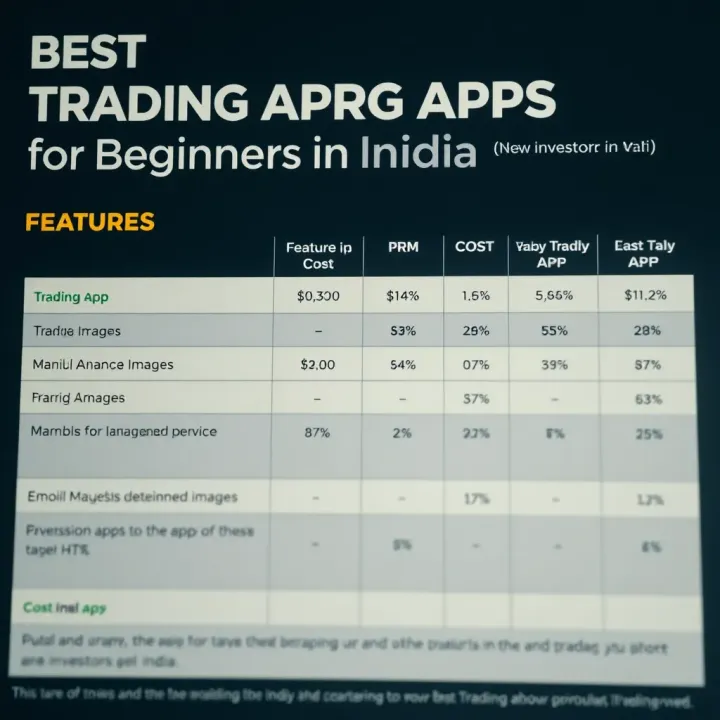
Features overview: Zerodha Kite is known for its straightforward design and powerful tools. It supports equities, commodities, currencies, and mutual funds, all in one place. Its dashboard is clean, offering real-time charts and market data — ideal for beginners who want a good mix of simplicity and functionality.
Costs and charges: Zerodha charges a flat ₹20 per trade for intraday and derivatives, regardless of the trade size, while delivery equity trades are free of brokerage. This model benefits beginners because it keeps trading costs predictable, especially when starting with smaller amounts.
Ease of use: The app’s interface is intuitive, with quick order placements and simple tracking features. Beginners appreciate this as it reduces the confusion that often comes with complex trading platforms. Plus, account opening is mostly digital, speeding up the process.
User experience: Upstox Pro offers a slick mobile app with features like charting tools, live market feeds, and quick fund transfers. It balances advanced tools with ease of use, appealing to traders who want to learn and grow without getting overwhelmed.
Investment options: Upstox covers stocks, derivatives, mutual funds, and ETFs. It also provides access to NSE, BSE, and MCX exchanges, giving beginners a wider playground to explore different investment avenues.
Educational support: The app provides webinars and tutorial videos tailored for new investors. This learning content helps users grasp market basics without leaving the app, making it easy to start trading informed.
Interface and usability: Groww features a clean, colourful interface that beginners find friendly and inviting. Navigation is smooth, with important options just a tap away, which works well for users who might be trading via mobile during short breaks.
Range of products: Apart from equities and mutual funds, Groww recently expanded into stock SIPs, ETFs, and US stocks, opening more doors for beginner investors to diversify their portfolios comfortably.
Customer service: Groww offers responsive customer care through chat and phone. Quick assistance is crucial for beginners who may have questions regarding transactions, account set-up, or technical glitches.
Account types: Angel One offers both basic and premium account types, allowing beginners to start with minimal documentation and upgrade as their trading needs evolve. This flexibility suits various investment styles and budgets.
Research tools: The app includes daily market reports, expert analysis, and stock recommendations. These tools empower beginners to make informed decisions rather than relying solely on gut feeling.
Support and learning: Angel One provides learning modules, including articles and videos, plus dedicated support to assist beginners navigating the trading journey. Such resources reduce the intimidation factor often associated with stock markets.
Picking a trading app with the right blend of usability, cost, and support can make the difference between a frustrating start and steady growth in your investment journey.
Each of these popular trading apps offers unique strengths; your choice depends on your comfort with technology, investment goals, and learning preferences. Exploring these apps yourself can help find the best fit for your trading style and financial ambitions.
When choosing a trading app, security and regulatory compliance should be top priorities. For beginners, understanding how apps protect user data and funds can prevent risks like fraud or data breaches. Apps compliant with India's regulations offer an added layer of trust and safeguard your investment activities.
The Securities and Exchange Board of India (SEBI) oversees the regulation of securities markets in India. SEBI's main role is to protect investors by ensuring transparency, fairness, and accountability among stockbrokers and trading platforms. Apps registered with SEBI must meet strict guidelines, which includes regular audits and adherence to operational standards. This makes a SEBI-registered app a safer choice for new traders.
To verify if a trading app is registered with SEBI, you can check SEBI’s official list of registered brokers and platforms. This verification helps confirm the app’s legitimacy and compliance with regulatory norms, reducing chances of running into fraudulent services. Simply searching the name of the app or broker with “SEBI registration” often reveals the needed information.
Trading apps handle sensitive personal and financial data, so encryption standards matter. Good apps use end-to-end encryption techniques, which scramble your data during transmission. This prevents hackers from accessing information like passwords or bank details even if they intercept communication.
Alongside encryption, look for clear user data handling policies. Legitimate apps explain how they collect, store, and use your information. For instance, they should not share your data with third parties without consent or use it beyond transaction purposes. Reading these policies lets you understand your rights and how your privacy is guarded.
Two-factor authentication (2FA) adds a crucial security step during login or fund transfers. After entering your password, the app sends a one-time code to your registered mobile number or email. This extra layer blocks unauthorised access, so even if someone knows your password, they cannot trade or withdraw funds without that code.
Segregation of client funds means the app or broker keeps your money separate from its operational funds. This approach protects your investments if the company faces financial troubles. For example, if a broker runs into losses, your funds remain untouched because they are held in distinct accounts. Checking if your app maintains such segregation can help ensure your money’s safety.
Prioritising apps with SEBI registration, robust data protection, and clear fund safety policies gives you confidence while trading. It reduces the chance of fraud and protects your hard-earned money.
By keeping these security and compliance factors in mind, beginners can pick trustworthy trading apps that support safe and smooth investing experiences.
Trading apps can be a great gateway for beginners to enter the market, but using them wisely is vital. Without proper strategies and discipline, new investors may face unnecessary losses. This section offers practical tips that help beginners make informed decisions, reduce risks, and build confidence with their chosen trading app.
Many trading apps offer virtual trading or paper trading, where you can simulate the market using fake money. This feature is perfect for beginners to understand how buying and selling work without risking capital. For example, you could experiment with Zerodha Kite’s virtual trading feature to get a feel for order placement and market movements before committing real funds.
If you jump directly with large investments, losses can be daunting and impact your confidence. Starting with small sums—say ₹5,000 or ₹10,000—lets you test strategies and learn market behaviour. Over time, this helps manage anxiety and prevents rash decisions that beginners often make when stakes feel too high.
Keeping track of daily market updates is crucial because stock prices react fast to news. Using trusted Indian financial news sources, you can monitor events that impact sectors or companies you’ve invested in. For instance, RBI’s monetary policy announcements or quarterly results of companies listed on the Sensex may affect your portfolio, so staying updated improves timing and decision-making.
Most leading trading apps now include tutorials, webinars, and blogs designed especially for new investors. Groww and Angel One offer extensive educational content within the app, allowing users to learn concepts like fundamental analysis or systematic investment plans (SIPs) at their own pace. Leveraging these tools ensures that beginners build a strong foundation alongside practical trading.
Beginners sometimes expect quick gains and may take unnecessary risks. Instead, setting achievable objectives—such as aiming for 5-7% annual returns or building a diversified portfolio over time—prevents disappointment. Clear goals guide your trades thoughtfully instead of impulsively chasing market highs.
An important part of successful trading is sticking to your plan even when markets become volatile. Emotional reactions often lead to buying at peaks or selling during downturns. Discipline means following your set stop-losses, reviewing performance regularly, and avoiding the temptation to overtrade. Trading apps with alert features can remind you to stay within these limits.
Using trading apps safely requires more than just technology—it demands patience, knowledge, and self-control. Starting small, staying informed, and sticking to your plan helps build a rewarding trading journey.
These practical tips will help beginners avoid common pitfalls and gain confidence while exploring India’s financial markets through digital platforms.
Explore top trading apps in India that need low investment 📱💰 Learn fees, risks, and tips to start small and grow your returns wisely.

Find the best options trading app in India for your style and budget 📱. Compare features, security, and regulations to trade confidently in Indian markets 📈.

Explore top crypto trading apps in India 🇮🇳 for secure, low-fee investing. Understand features, regulations, and pick the right platform for your ₹ portfolio.

Explore how to pick the best and trusted trading app in India 🇮🇳. Learn features, security, regulations, and tips to navigate markets safely with confidence.
Based on 10 reviews