

Understanding Momentum Candlestick Patterns
📈 Learn how to spot momentum candlestick patterns to catch strong stock moves. Get practical tips, key patterns, and handy PDF guides to boost your trading skills!
Edited By
Charlotte Williams
Candlestick and chart patterns form the backbone of technical analysis in stock market trading. These visual tools help investors and traders identify market trends, spot potential reversals, and make informed decisions based on price action. Understanding these patterns is key whether you are trading intraday or investing for the long term.
Candlestick charts display price movement by showing the open, close, high, and low prices within a specific time frame. What sets them apart is the way these data points form shapes—commonly called patterns—that signal different market behaviours. For instance, a "Doji" candlestick indicates indecision and potential reversal, while a "Hammer" often suggests a bullish turn after a decline.

In the crowded market of financial literature, books and PDFs dedicated to candlestick and chart patterns act as comprehensive resources. These materials often break down complex concepts into digestible sections, guiding readers through recognising and interpreting patterns such as "Engulfing", "Morning Star", or "Head and Shoulders". PDFs have the advantage of being portable and easy to annotate, making them a favourite among both freshers and seasoned analysts.
Having a reliable PDF guide helps traders simulate scenarios and build a structured trading plan based on historical pattern analysis.
When selecting books or PDFs, look for those authored by experienced practitioners or analysts with a strong track record. Practical examples geared towards the Indian market—covering stocks listed on the BSE or NSE and considering factors like monsoon season effects on commodities—add value.
Here are some tips for using such PDFs effectively:
Start with beginner-friendly resources before moving to advanced materials.
Use highlighters and notes to mark patterns you find challenging.
Backtest patterns using historical market data to understand their success rates.
Combine chart pattern study with other indicators like volume and moving averages for better accuracy.
Overall, these PDFs provide a structured path to mastering technical analysis, enabling you to make timely, data-backed trading decisions that align with your investment strategy.
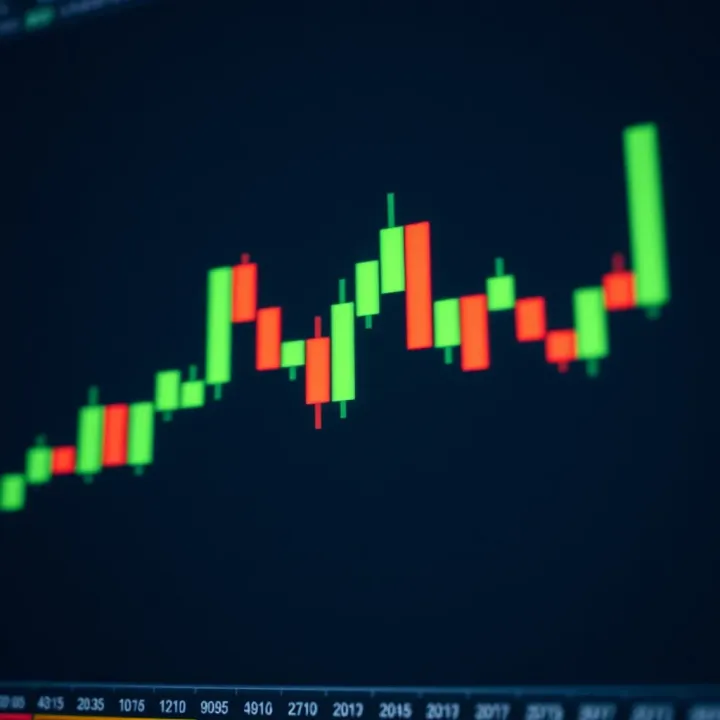
Candlestick charts offer a visual method to track price movements in the stock market. They are essential tools for traders and investors aiming to make informed decisions based on real-time and historical price data. Unlike line charts, candlesticks encapsulate more information in a single figure, which helps identify market sentiment quickly.
A single candlestick represents four critical prices within a selected time frame: the opening price, closing price, highest price, and lowest price. For instance, if a stock starts trading at ₹1,200 and closes at ₹1,250 over one day, these become the open and close values. The wick or shadow above and below the body shows the highest and lowest prices during that period. This information helps traders grasp price volatility and momentum at a glance.
Candlesticks typically use colours to indicate market direction. A green (or white) candle shows that the closing price is higher than the opening, signalling bullish behaviour. Conversely, a red (or black) candle means prices fell during that period, indicating bearish sentiment. For example, during volatile sessions in Nifty or Sensex, these colours highlight market sentiment instantly without needing to read exact numbers.
Traders can view candlesticks across various time frames – from minutes to months. Each candle’s relevance depends on the chart’s time span. A 5-minute candle captures price action within those five minutes, suitable for intraday traders. On the other hand, a daily candlestick summarises an entire trading day, better suited for swing traders or investors. Understanding which time frame to use affects trading strategies and risk management.
Indian traders often prefer candlesticks because they present price information in an easily digestible, visual format. While bar charts or line charts offer less detail, candlesticks combine price range and direction in one intuitive shape. This clarity is especially useful during fast-moving market hours in the Indian context, helping traders to act swiftly.
Markets in India can be quite volatile during certain sessions like budget announcements or corporate results. Candlestick charts provide clear patterns such as hammers, dojis, and engulfing candles that alert traders to possible reversals or continuation trends. This helps traders manage positions better and avoid rash decisions during sudden swings.
Most Indian trading platforms like Zerodha Kite, Upstox Pro, and Angel Broking incorporate candlestick charts as default tools. These platforms allow users to customise time frames, colour schemes, and overlay technical indicators, making analysis seamless. This compatibility ensures that traders don’t need additional software or resources, simplifying their chart study process.
Candlestick charts are not just about price data; they offer a quick window into market psychology, making them indispensable tools for anyone involved in Indian stock trading.
By understanding the fundamental components and advantages of candlestick charts, traders can improve their market reading and make more precise decisions. This knowledge forms the foundation for mastering more complex candlestick and chart patterns later.
When you are analysing stock charts, recognising key candlestick patterns can guide your trading decisions with more confidence. These patterns provide clues about possible trend reversals or continuations, helping traders act swiftly on market movements. Knowing these patterns well is essential for both freshers and seasoned traders alike as it improves timing for entry and exit points.
Doji: The Doji candlestick is marked by a tiny body where opening and closing prices are nearly the same. It signals market indecision — neither bulls nor bears are winning control. For example, after a sustained uptrend in Reliance Industries, a Doji appearing on the daily chart might hint that bullish momentum is weakening, and a reversal could be near. However, it requires confirmation from subsequent candles before acting.
Hammer and Hanging Man: Both candles have small bodies and long lower shadows, but their context differs. A Hammer shows up after a downtrend, suggesting a potential bullish reversal as buyers step in. For instance, Tata Motors experiencing a Hammer could signal that it might bounce back after falling prices. Conversely, a Hanging Man appears after an uptrend, warning of a possible bearish reversal. It's like a caution flag that the uptrend is losing steam.

Shooting Star and Inverted Hammer: These look similar with long upper shadows but differ in position. A Shooting Star forms after a rally, indicating sellers have pushed prices down from the highs, pointing to a bearish reversal ahead. For example, Infosys showing a Shooting Star during an uptrend might make traders wary of a fall. The Inverted Hammer occurs after a downtrend and hints at a possible bullish reversal as buyers test the upper price levels, showing strength despite the fall.
Bullish and Bearish Engulfing Patterns: An Engulfing Pattern consists of two candles where the second candle's body entirely covers the previous one. A Bullish Engulfing appears after a downtrend, signalling buyers overpowering sellers, like in SBI stocks during a dip, suggesting a rise is due. A Bearish Engulfing shows up after an uptrend, signalling sellers gaining control — potentially a sign for traders to exit or short.
Morning Star and Evening Star: These three-candle patterns indicate strong reversals. The Morning Star is a bullish reversal pattern seen after a downtrend, where a small-bodied candle appears between a long bearish and long bullish candle. It tells traders that selling pressure is fading. Conversely, the Evening Star forms after an uptrend, signalling a bearish reversal. These patterns are especially useful when trading volatile stocks like HDFC Bank during uncertain market phases.
Three White Soldiers and Three Black Crows: These indicate strong momentum shifts over three consecutive candles. Three White Soldiers are three large bullish candles with small shadows showing rising prices and confident buying. For example, it could suggest firm buying in IT sector stocks like Wipro. On the flip side, Three Black Crows are three bearish candles signalling strong selling pressure, warning of downtrends which traders should watch closely.
Mastering these key candlestick patterns helps traders make informed decisions by anticipating market moves rather than reacting after the fact. Combining pattern recognition with other tools like volume and broader market context can significantly improve trading outcomes.
Candlestick patterns offer valuable insights into price action, but traders who rely only on these risk missing the bigger picture. Chart patterns beyond candlesticks help you spot larger trends and potential reversals by examining price movements over longer periods. These patterns often give context to candlestick signals and help confirm whether a trend is strong or about to change.
Consider them like the big building blocks of market analysis. For example, a trader might see a bullish engulfing candlestick but hesitates to enter because the overall chart shows signs of a head and shoulders formation, hinting at a possible reversal. Recognising such chart patterns alongside candlesticks improves timing, reduces false signals, and provides a clearer roadmap for your trades.
The Head and Shoulders pattern is a classic reversal indicator signalling a shift from an uptrend to a downtrend or vice versa (inverse head and shoulders). It consists of three peaks: the middle one (head) is higher than the two shoulders on either side. For example, in the Indian stock market, if Reliance Industries shows this pattern on its daily chart, traders might prepare for a trend reversal and tighten stop-loss orders accordingly.
This pattern helps investors anticipate changes before they fully happen, giving a chance to book profits or exit risky positions. It tends to be reliable because it reflects collective trader psychology shifting from bullish to bearish sentiment.
Double tops and bottoms highlight key support and resistance zones. A double top forms when the price hits a high twice but fails to break through, signalling strong selling pressure. Conversely, a double bottom marks two lows near the same price level, suggesting a strong support base.
For instance, if Tata Motors stock hits ₹400 twice but falls back each time, a double top pattern might warn traders of a potential downtrend. Meanwhile, a double bottom in HDFC Bank’s chart at ₹1,500 might indicate a good buying opportunity. These patterns allow traders to set clear entry and exit points by identifying where the market is struggling to move further.
Triangles and flags are continuation patterns showing brief pauses in the trend before the price resumes its direction. A triangle is formed when price moves within converging trendlines, often signalling a breakout. Flags appear as small rectangles or parallelograms that slope against the prevailing trend.
Take the example of Infosys showing a symmetrical triangle in its hourly chart during consolidation. Traders watch for a breakout either upward or downward to catch the next move. Flags work similarly—say yes for BSNL’s intraday chart with a flag pattern—they help traders spot profitable momentum trades and manage risks efficiently.
Using candlestick and chart patterns together helps confirm trade signals, reducing chances of false alarms. A bullish engulfing candlestick near the breakout point of a triangle pattern adds conviction that the price will move up. This overlaps well with how many Indian traders combine tools to validate strategy.
For example, if Nifty 50 shows an inverse head and shoulders pattern complemented by a hammer candlestick at the neckline, traders prefer entering the market confidently rather than relying on just one pattern. Such confirmation strengthens decision-making under volatile market conditions.
Together, these patterns pinpoint optimal entry and exit points. Chart patterns give the broad trend direction, while candlestick signals mark exact moments to buy or sell within that trend. For instance, a trader following a flag pattern might wait for a bullish candlestick breakout before entering.
This approach helps in setting sensible stop-loss levels and profit targets. Consider Midcap stocks where price action can be choppy—this dual-layer analysis prevents premature entries and helps preserve capital by highlighting better timing based on multiple signals.
Combining candlestick and chart patterns builds a strong technical foundation. It’s like using a map and compass together rather than relying on one tool alone to navigate complex market terrain.
Using both ensures a trading strategy that respects market nuances and improves chances of consistent profits.
Selecting the right PDF resources on candlestick and chart patterns is essential for traders and investors who want to develop effective market analysis skills. Not all educational materials carry equal value; the right choice simplifies complex concepts, saves time, and aligns learning with real-world market conditions. Especially for Indian traders, choosing PDFs with local market relevance adds practical benefit, making study more actionable.
Start by checking the author's background in trading or financial analysis. Books or PDFs authored by seasoned traders, market analysts, or recognised finance educators enhance trust in the information. For example, materials by experts like Steve Nison, who popularised candlestick patterns, can provide valuable insights. Indian readers should also look for authors familiar with the nuances of the Indian stock markets such as the BSE or NSE indexes.
Clear writing makes technical analysis accessible, avoiding jargon-heavy text that confuses beginners. Good PDFs use straightforward language and include practical examples or charts illustrating candlestick patterns and their interpretation. Annotated real market snapshots help bridge theory and practice. PDFs that break down complicated patterns step-by-step tend to support faster learning and application.
Materials designed with Indian market instruments in mind – equities, commodities, derivatives – stand apart in usefulness. Indian trading hours, market behaviour during festivals, and regulatory considerations influence pattern effectiveness. PDFs incorporating these factors offer a more tailored study experience. For example, understanding how volume behaves on NSE during quarterly results season can help better interpret patterns.
Several renowned books on candlestick and chart patterns are widely referenced. While many are available in print, some official or authorised PDFs can be found online, offering cost-effective access. Titles like “Japanese Candlestick Charting Techniques” by Steve Nison or “Technical Analysis of the Financial Markets” by John Murphy remain favourites. Indian readers gain by combining such global classics with India-specific technical analysis books.
Authors, publishers, and established financial institutions sometimes provide free educational PDFs on their websites. Indian trading platforms such as Zerodha Varsity and NSE India offer quality content tailored for local investors. Using such trustworthy sources reduces risk of outdated or incorrect materials and ensures alignment with current market practices.
Downloading PDFs from unknown or unverified sites can lead to piracy, poor-quality content, or misguiding information. Traders must avoid illegal copies that may harm authors’ rights and compromise learning. Always verify the source before downloading PDFs. Confirming authenticity helps maintain ethical standards and ensures the material is accurate and updated.
Choosing the right candlestick and chart pattern PDFs is not just about gaining knowledge, but also about applying it effectively in the Indian market context.
By considering these selection criteria, readers can find quality PDFs that truly support their journey in mastering market patterns and improving trading decisions.
Using PDFs on candlestick and chart patterns effectively can make a real difference to your trading results. Study and practice based on these materials sharpen your understanding and help you spot opportunities on live charts. This section focuses on practical advice to make the most of these resources, avoiding common pitfalls.
When reading through PDFs, don’t just passively skim. Take notes and highlight key points like specific candlestick formations or pattern conditions. You might create a separate notebook or digital file that summarises each pattern’s signal, success rate in Indian markets, or typical price behaviour. This active engagement improves memory and makes quick revision easier—especially before placing trades.
Reading about patterns in PDFs alone isn’t enough; you need to apply them to live charts on platforms like Zerodha Kite or Upstox. Start by scanning your watchlist for stocks or indices showing these patterns. Practise spotting formation basics and confirming factors such as volume spikes or preceding trends. Over time, you’ll build confidence in recognising patterns quickly rather than just theoretically.
Use online tools alongside PDFs for a hands-on approach. Many Indian trading platforms provide charting tools with candlestick options and indicators like RSI or MACD. Combining these helps verify signals from your PDF studies. For instance, spotting a bullish engulfing pattern near a support zone on the Nifty 50 with rising volume strengthens your trading call.
One pattern won’t guarantee success every time. Markets are influenced by multiple factors, so avoid blind reliance on a single candlestick or chart pattern. Instead, confirm signals with additional technical or fundamental insights. For example, a hammer pattern might suggest reversal, but without volume confirmation or trend context, the trade may fail.
Context is king. Recognise whether the broader market, such as Sensex or sectoral indices, supports your pattern’s signal. Volume is a vital confirmation tool; a breakout with low volume often leads to false signals. For example, a triangle breakout on stocks like Reliance or TCS gains credibility only when accompanied by increased trading volume.
Candlestick and chart patterns don’t eliminate risks, so implement solid stop-loss plans. Set stop-loss just below key support for long trades or above resistance for shorts. This protects your capital if the pattern fails. Many Indian traders use 1–2% risk per trade as a thumb rule, tailoring according to volatility and personal risk tolerance.
Good practice with pattern PDFs combined with disciplined trading habits turn knowledge into consistent profits. Don’t rush; learn steadily with a risk-aware approach to become a smarter trader.
📈 Learn how to spot momentum candlestick patterns to catch strong stock moves. Get practical tips, key patterns, and handy PDF guides to boost your trading skills!

📈 Master option chart patterns with this practical guide! Learn key patterns, spot price moves, and use helpful PDF resources to sharpen your trading skills.
📈 Learn how multi-candlestick patterns help predict price moves and shape smart trading choices. Master their use across markets and avoid common errors.

📊 Explore the most effective candlestick patterns for trading, understand market trends, and use PDF guides to boost your trading skills confidently.
Based on 11 reviews