

Understanding Momentum Candlestick Patterns
📈 Learn how to spot momentum candlestick patterns to catch strong stock moves. Get practical tips, key patterns, and handy PDF guides to boost your trading skills!
Edited By
Elizabeth Harper
Candlestick charts are one of the most commonly used tools for analysing price movements in stock, forex, and commodity markets. Unlike simple line graphs, candlestick charts give a detailed view of price action within a specific time frame, making it easier for traders to spot trends and reversals.
Each candlestick displays four key data points: the opening price, closing price, highest price, and lowest price during the chosen period. The body of the candle shows the difference between the opening and closing prices, while the wicks (shadows) represent the highs and lows. A filled (usually red or black) body suggests a price drop, while a hollow (often green or white) body signals a price rise.
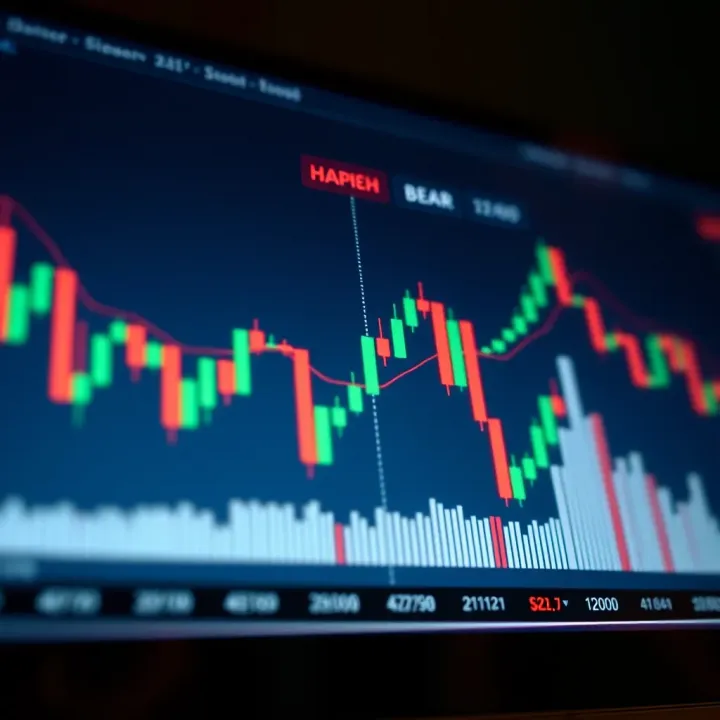
Understanding these charts helps you read market sentiment quickly and identify potential opportunities or risks.
For Hindi-speaking traders, mastering essential candlestick patterns can improve decision-making. Patterns such as Doji, Hammer, Engulfing, and Shooting Star often indicate possible market turning points or continuation signals. Recognising these lets you act timely rather than reacting late to price shifts.
Here are the basics to focus on:
Time frames: Candlesticks can represent minutes, hours, days, or weeks depending on your trading style.
Candlestick colour and shape: These reflect bullish or bearish behaviour.
Patterns: Groups of candles form patterns that hint at future market moves.
In practical terms, spotting a Hammer candlestick after a downtrend may show buyers are stepping in, suggesting a possible price rise. Similarly, a Bearish Engulfing pattern might warn of a reversal from an uptrend.
Getting comfortable with these components builds the foundation for more advanced analysis. Besides stocks and forex, candlestick patterns apply well to Indian markets like the NSE (National Stock Exchange) and BSE (Bombay Stock Exchange).
In this article, we will explore the most useful candlestick patterns in Hindi, showing you how to read them and use them effectively to inform your trades and investments.
Understanding candlestick charts forms the backbone of effective trading analysis. These charts provide a clear visual representation of price movements over specific time periods, making them essential tools for traders and investors alike. Instead of just tracking prices, candlestick charts reveal the story behind market moves—whether buyers or sellers had control during a session.
Originating in Japan over 300 years ago, candlestick charts were first used by rice traders to monitor market trends. Their design is both simple and practical, showing the opening, closing, high, and low prices in a single depiction. This historical approach remains relevant today, guiding traders through the complexities of modern markets.
Each candlestick reflects price action for a chosen timeframe—be it a minute, an hour, or a day. The body of the candle shows the range between the opening and closing prices. A filled (often red or black) body indicates the price closed lower than it opened, signalling selling pressure, while a hollow or green body means the price closed higher, showing buying strength.
The wicks (also called shadows) stretch above and below the body, representing the highest and lowest prices reached during that period. For example, a long upper wick with a small body suggests sellers pushed prices down after a rally, hinting at potential resistance. Knowing these components helps traders spot momentum shifts quickly.
Compared to line charts or bar charts, candlestick charts offer more detail within the same space, making market trends easier to interpret. While a line chart simply connects closing prices, candlesticks pack multiple data points to reveal intraday volatility and trader sentiment. This precision helps traders make more informed decisions.
Candlesticks also provide visual cues about market sentiment. For instance, repeated bullish candlesticks with rising closes signal buying interest, whereas long bearish candles point to selling pressure. Recognising such patterns early can give traders an edge in timing entry and exit points.
Candlestick charts don’t just show price—they illustrate emotions of fear, greed, and hesitation that drive the market.
By learning to read these charts, you equip yourself to understand not just where prices are, but why they move as they do. This clarity is crucial for crafting trading plans that respond to real-time market behaviour rather than guesswork.
Understanding the basic structure of candlesticks is foundational for anyone wanting to interpret price charts effectively. In trading, each candlestick tells a story of price movement within a specific period, showing the relationship between opening, closing, high, and low prices. This visual snapshot allows investors and traders to gauge market sentiment quickly and make informed decisions based on price action.
In Hindi trading communities, bullish and bearish candles are fundamental concepts, known respectively as "तेजी" (bullish) and "मंदी" (bearish) संकेतक. A bullish candle represents a market where the closing price is higher than the opening, signalling buying pressure and optimism. Conversely, a bearish candle shows prices closing lower than the opening, indicating selling pressure or cautious sentiments.

For example, suppose the Nifty 50 opens at ₹17,000 and closes at ₹17,200 during a trading session; the candle formed is bullish, suggesting the buyers dominated. Recognising such candles aids traders in mapping potential upward moves or reversals.
The colour of a candlestick is a quick visual cue. Usually, green or white candles mark bullish sessions, while red or black indicate bearish movements. In Indian trading platforms like Zerodha Kite or Upstox, these colour codes are standard.
Colours help traders instantly assess market mood without analysing each price level. For instance, consecutive green candles may suggest sustained buying interest, alerting traders to momentum. Meanwhile, a switch in colour from green to red could warn of a potential pause or reversal.
Candlestick patterns arise when multiple candles combine to reveal broader market behaviour. For example, an "Engulfing" pattern, where a bearish candle fully covers a prior bullish candle, typically hints at a possible downtrend. Likewise, a "Morning Star" pattern, a trio indicating a bullish reversal, can guide traders in spotting entry points.
These patterns simplify complex price data into actionable signals, helping traders anticipate market direction rather than reacting late. It’s like reading a conversation between buyers and sellers over time.
Volume plays a vital role in confirming candlestick signals. A significant pattern that forms on high volume tends to be more reliable. For example, a hammer candle appearing with heavy volume on the Sensex may confirm strong buying interest and a likely trend reversal.
Time frames matter too. Daily charts might show a broader trend, but shorter intraday charts (like 15-minute or 30-minute frames) help traders spot quick opportunities. The same candlestick pattern can have different implications depending on the chosen time frame. Combining volume with appropriate time frame selection sharpens accuracy in interpreting price moves.
Reading candlestick patterns isn’t just about shapes or colours; it’s understanding the context that helps you gauge the market’s pulse effectively.
With a clear grasp of individual candles and how they form meaningful patterns, you get the tools to decode market trends confidently and enhance your trading strategy.
Understanding common candlestick patterns helps traders make smarter decisions by interpreting market sentiment quickly. These patterns indicate potential trend reversals, continuations, or indecision moments. By recognising them, you can grasp price movements without relying solely on numbers or indicators.
A Doji appears when a candle's opening and closing prices are nearly the same, often showing a cross or plus shape. This indicates a stalemate between buyers and sellers, reflecting uncertainty in the market. For example, if a Doji forms after a strong upward trend in the Nifty 50, it suggests traders are hesitating, and the momentum might slow down or reverse.
Traders use Doji as a warning signal, especially when paired with volume changes or positioned near support or resistance levels. However, alone it doesn't confirm a reversal. Waiting for confirmation from the next candles or other technical tools reduces the risk of misjudging.
The Hammer and Hanging Man look alike but appear in different contexts. A Hammer forms after a downtrend, with a small body near the top and a long lower wick. It suggests buying pressure entering the market, possibly starting a bullish reversal. For instance, if a stock like Reliance Industries sees a Hammer near ₹2,000 after a fall, traders might buy expecting a bounce.
The Hanging Man appears after an uptrend, signalling potential selling pressure despite the higher close. It indicates the uptrend could weaken. Both patterns need confirmation on the following candles to act decisively.
Engulfing patterns involve two candles where the second candle fully covers the first candle’s body. A Bullish Engulfing occurs after a downtrend when a large green candle follows a small red one, suggesting strong buyer dominance. For example, Tata Steel showing this near a long-term support level may signal a price jump.
Conversely, a Bearish Engulfing follows an uptrend with a large red candle swallowing a smaller green candle's body, hinting sellers are taking over. Traders rely on these patterns for clear early signs to enter or exit trades.
The Morning Star is a three-candle bullish reversal pattern appearing after a downtrend. It starts with a large red candle, followed by a small-bodied candle (star) showing indecision, and then a green candle confirming a reversal. It often marks strong buying interest coming in.
The Evening Star signals a bearish reversal post-uptrend, mirroring the Morning Star but the last candle is red. For example, Infosys may show an Evening Star during market corrections, advising caution.
The Harami pattern is a two-candle formation where a small candle lies within the previous large candle’s body. In bullish Harami, a small green candle appears inside a big red candle, suggesting reversal from downtrend to uptrend. Bearish Harami shows the opposite.
This pattern signals a pause in momentum and potential trend change but needs confirmation. Many Indian traders combine it with support/resistance zones or volume analysis before acting.
Recognising these patterns equips you to spot trading opportunities with a keen eye. But remember, candlestick signals work best with additional confirmations and sound risk management.
Using candlestick patterns effectively can improve your trading decisions by providing visual signals about market sentiment and possible price direction. These patterns are particularly useful because they condense a lot of information about price action into simple shapes, making it easier to decide when to enter or exit a trade. However, relying on candlesticks alone can be risky; hence, combining them with other market indicators and managing risks carefully is essential.
Candlestick patterns gain reliability when confirmed by other technical indicators like the Relative Strength Index (RSI), Moving Average Convergence Divergence (MACD), and moving averages. For example, spotting a bullish engulfing pattern on a chart while the RSI indicates an oversold condition strengthens the case for a potential upward move. Similarly, if the MACD line crosses above the signal line after a hammer candlestick forms, it adds confidence that the downtrend might reverse.
Moving averages help smooth price data and identify trend direction. If a candlestick pattern signals a reversal near a key moving average support or resistance level, it typically carries more weight. Traders often look for alignment among these tools before placing trades to avoid false alarms.
Setting stop loss based on patterns: Using candlestick patterns to determine stop loss levels helps control losses if the trade goes against you. For instance, after entering a trade following a morning star pattern, you could place a stop loss just below the lowest point of the pattern’s candles. This approach limits downside risk while allowing room for normal price fluctuations.
Avoiding false signals: Candlestick formations sometimes mislead traders by signalling reversals that don’t materialise. To reduce false signals, it’s vital to consider volume and market context. A doji candle appearing during high volume at a significant support zone is more trustworthy than one during low volume in a sideways market. Also, waiting for a confirmation candle after the pattern can help filter out premature trades.
Combining candlestick patterns with technical indicators and smart risk management creates a more solid trading strategy. It avoids impulsive decisions and enhances the chances of profitable trades.
In practice, always test strategies on demo accounts first to understand how patterns behave in different market conditions. Over time, this will help you recognise reliable signals and manage risk effectively.
Learning candlestick patterns takes more than just theory; using the right resources in Hindi helps traders grasp the concepts more quickly and apply them effectively. Access to accurate, well-explained material is valuable for mastering how to read charts and predict market movements. This section highlights useful PDFs, online tools, and practical approaches to strengthen your skills.
Finding good Hindi PDFs on candlestick charts can simplify your learning. Several reputable financial education websites offer downloadable PDFs explaining patterns like Doji, Hammer, and Engulfing in straightforward Hindi. These materials often come with examples from Indian stocks and markets, making the content directly relevant. PDFs are also handy for offline study and quick revision.
When looking for online tools, mobile apps like Zerodha Varsity and Upstox provide sections dedicated to technical analysis, including candlestick patterns, in Hindi. Websites such as Moneycontrol and Investing.com India often feature educational articles and videos in Hindi, helping bridge gaps for those more comfortable with their native language. Choosing apps and sites with Hindi support ensures you don't miss nuances during learning.
Using demo accounts available on platforms like Upstox, Zerodha Kite, or Angel Broking lets you practice spotting candlestick patterns without risking real money. These accounts simulate the real market using live data, so you can experiment with buying or selling based on patterns such as Morning Star or Harami. This hands-on practice is crucial for building confidence before trading with your own funds.
Tracking your trades thoroughly is another key step. Maintain a simple journal of your trades where you note down the candlestick patterns you acted on, the outcome, and lessons learned. This habit sharpens your ability to recognise which signals worked or failed, helping you improve your strategy over time. Apps with built-in trade tracking, or even Excel sheets, work well for this purpose.
Practising regularly with the right tools and reliable Hindi resources builds a strong foundation for using candlestick patterns effectively in your trading journey.
Having these resources at hand means your learning continues beyond just knowing patterns – it includes applying and refining your understanding through real and simulated market scenarios.
📈 Learn how to spot momentum candlestick patterns to catch strong stock moves. Get practical tips, key patterns, and handy PDF guides to boost your trading skills!
📈 Master option chart patterns with this practical guide! Learn key patterns, spot price moves, and use helpful PDF resources to sharpen your trading skills.
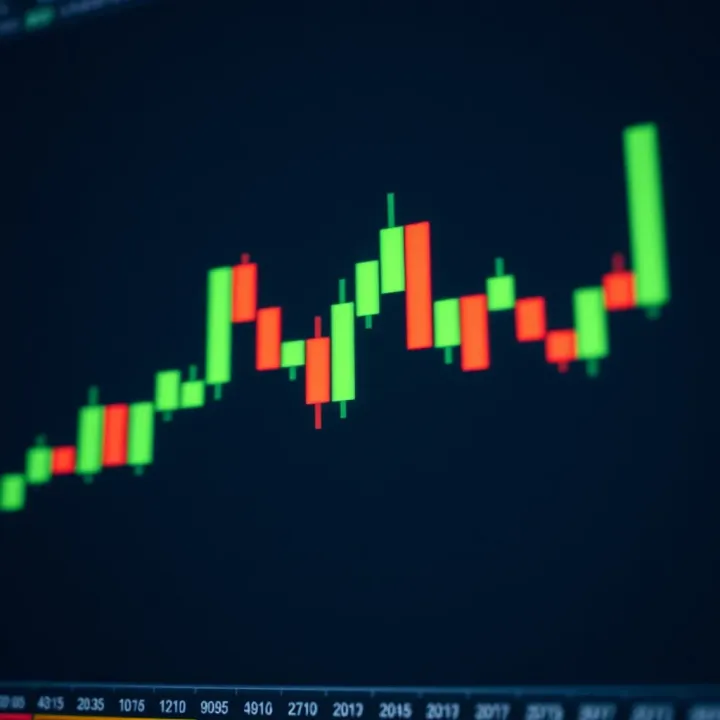
📈 Learn how multi-candlestick patterns help predict price moves and shape smart trading choices. Master their use across markets and avoid common errors.
📊 Explore the most effective candlestick patterns for trading, understand market trends, and use PDF guides to boost your trading skills confidently.
Based on 6 reviews