
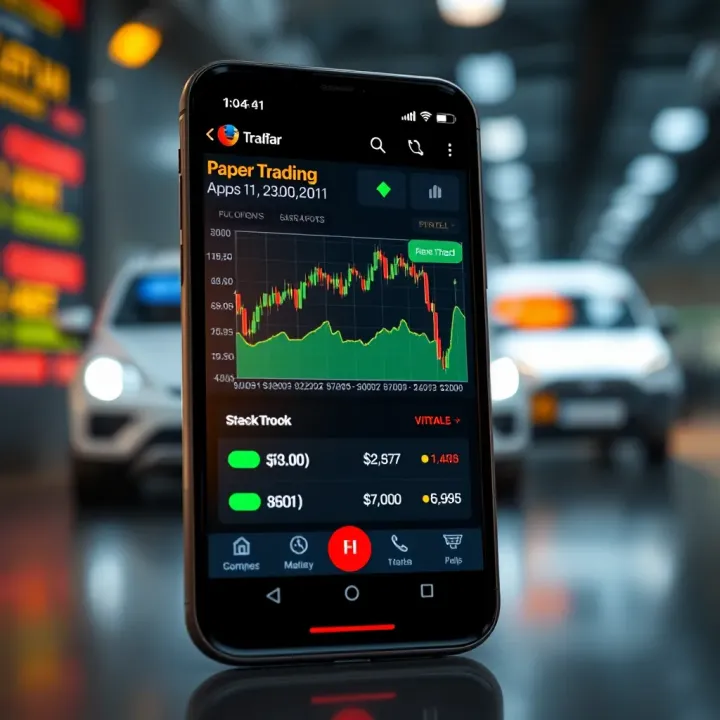
Best Paper Trading Apps in India for Investors
Explore the best paper trading apps in India 📱 to practise stock trading risk-free. Learn features, market simulation, and tips for effective virtual investing.
Edited By
Sophie Clarke
Paper trading simulates real stock market trading without using actual money, allowing investors to practice buying and selling shares in a risk-free setting. It's a handy tool for newcomers to understand market dynamics, test strategies, and build confidence before investing ₹5,000 or ₹5 lakh in live trades.
In India, the rise of digital trading platforms alongside the growing popularity of stock markets has boosted interest in paper trading apps. These apps mimic live trading environments closely, reflecting real-time price changes and order book transparency, but with virtual funds only. This helps traders experience market volatility and timing without financial loss.
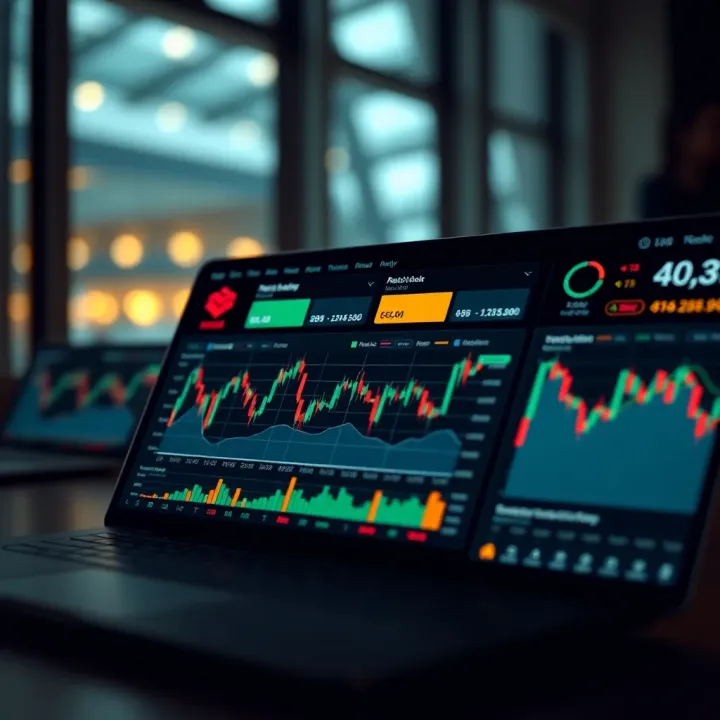
A good paper trading app should offer features like realistic market data, easy-to-use interfaces, and detailed analytics. Some apps even provide charting tools, technical indicators, and news feeds to sharpen decision-making. For example, platforms like Investopedia Simulator offer thorough practice environments, while Indian players like Ticker Tape and Upstox Pro also include free paper trading modules tailored for local markets.
Using paper trading can reduce costly mistakes in actual trading. It also helps you understand how brokerage charges, taxes like Securities Transaction Tax (STT), and other fees influence real-world profits or losses, although these may not apply in paper trading itself.
To make the most of paper trading apps, treat your virtual portfolio seriously. Stick to a trading plan and review your results regularly. This turns practice into actionable learning, building skills that can improve your chances of success when handling real investments.
This guide will help you navigate through the best free paper trading apps suitable for Indian investors, comparing features that matter and offering tips on using them effectively.
Paper trading plays a significant role for anyone looking to understand the stock market without putting their hard-earned money at risk. It’s like a practice ground where you can make trades using virtual funds but based on real market data. This allows you to learn the ropes, try out different strategies, and familiarise yourself with market movements before stepping into actual trading.
Paper trading refers to simulated trading where you buy and sell stocks or other securities on a virtual platform. These platforms provide live or slightly delayed market prices, but your trades don’t involve real money. The main aim is to replicate the trading experience as closely as possible without financial consequences. For example, if you decide to buy 100 shares of Reliance Industries using a paper trading app, you track its price movements and profit or loss on your virtual portfolio without actual investment.
Paper trading offers a safe environment to learn the basics of stock market investing. Especially for beginners, it’s a way to understand how orders work, the impact of price fluctuations, and how brokerage platforms function. Since there’s no financial risk, you can afford to make mistakes and learn from them. Imagine a young investor in Mumbai using a paper trading app to get the hang of placing limit orders or stop-loss orders—once confident, they can move to real trading with better preparation.
Many investors come up with trading strategies but few test them thoroughly before applying real money. Paper trading lets you put these ideas to the test in various market conditions without any exposure. For instance, if you’re curious whether intraday momentum trades work better than swing trades, you can simulate both over weeks or months. This practical trial can reveal strengths and weaknesses of your approach before risking actual funds.
Understanding how market variables interact is vital. By paper trading regularly, you develop an intuitive sense of market behaviour—how news impacts stocks, how volumes affect prices, and how sectors perform seasonally. This experience is particularly useful in the Indian context, where factors like quarterly results, RBI announcements, or monsoon forecasts can sway market trends. The hands-on exposure from paper trading makes you more confident to navigate the market’s ups and downs.
Paper trading isn’t just a beginner’s tool but an ongoing resource for anyone wanting to sharpen their market skills without risking capital.
In summary, understanding paper trading helps investors appreciate its practical benefits—learning without risk, testing ideas thoroughly, and building market savvy—making it an essential step before real trading.
Selecting the right paper trading app can greatly influence how effectively you develop your trading skills. Key features ensure the simulation feels close to real market conditions, helps you stick with practice, and suits your individual trading goals. Before diving in, it's vital to know exactly what to look for in these apps to avoid wasting time on platforms that don't meet your needs.

A paper trading app's prime task is to imitate live markets as closely as possible. This means the app should update prices in near real-time and factor in usual constraints like liquidity, slippage, and order execution delays. For example, an app that only updates prices every few minutes or allows unrealistic order sizes won’t prepare you well for actual trading. Consider an app that uses live NSE or BSE data feeds; this provides Indian investors with a familiar environment reflecting the genuine volatility of the markets. Without this, the experience could mislead you about the risks and timing of trades.
Even the best app can become frustrating if it's hard to navigate or slows you down. A clear, intuitive user interface not only speeds up the learning curve but also encourages regular practice. For example, apps like Zerodha's Kite offer clean dashboards and simple order entry methods that help beginners focus on learning rather than struggling with the platform. Look for features like customisable watchlists, drag-and-drop portfolio management, and quick access to charts and stats. Mobile compatibility with smooth touch controls matters too, since many traders check markets on the go.
Trading isn’t just about stocks — it can include options, futures, commodities, and currency pairs, especially in India where the derivatives market is significant. The best paper trading apps provide a diverse selection so you can practise strategies across these instruments. For instance, Upstox Pro's paper trading allows users to experiment with equity futures, options, and intraday trades all within the same account. This breadth helps you become versatile and spot opportunities beyond just equities, reflecting the variety you'll find in real markets.
Learning from your mistakes and understanding market patterns are key to improving. The top paper trading apps integrate educational materials—guides, tutorials, video lessons, and even community forums where you can discuss strategies. Moneycontrol’s Moneybhai, for instance, pairs its paper trading feature with market news and expert analysis which can guide decision-making. Having prompt customer support or a knowledge base helps resolve doubts quickly, keeping you motivated to keep practising.
A practical paper trading app combines realistic market simulation, user-friendly design, broad market coverage, and solid educational backing. These features together give you the confidence and know-how to transition smoothly from virtual to real trading without surprises.
Paper trading apps provide a safe platform where beginners and seasoned traders alike can practise market strategies without risking real money. In India, choosing the right app is important because it needs to reflect local market conditions, trading hours, and regulations. Experienced investors often rely on these apps to fine-tune their moves before they enter the real market, while freshers get familiar with processes such as order placement, portfolio management, and market volatility.
Features and Usability
Zerodha’s Varsity is renowned for its in-depth educational content on stock markets, while the Kite Connect Simulator complements this learning with hands-on trading experience. The simulator replicates real-time market conditions using historical data, allowing users to place trades and see immediate outcomes. It’s web-based and supports easy navigation, making it convenient even for those new to trading apps.
Advantages for Beginners
For beginners, this tool combines knowledge and practice effectively. Learning concepts from Varsity and simultaneously applying them through the simulator helps solidify understanding. Its integration with Zerodha’s existing trading ecosystem also means users can transition smoothly from paper trading to live trading.
Market Coverage
Upstox Pro offers a paper trading feature that includes stocks, commodities, and derivatives traded on Indian exchanges like NSE and BSE. This broad market coverage allows traders to experiment with various asset types under different market scenarios, improving their market sense beyond just equities.
Interface and Speed
The Upstox interface is praised for clarity and speed. Its paper trading module mirrors this with quick order execution and real-time price updates, which helps users simulate actual trading environments closely. This responsiveness is particularly helpful during high-volatility scenarios where split-second decisions matter.
Global vs Indian Market Adaptation
While Investopedia’s Stock Simulator is popular globally, its primary focus is on US markets. However, it still provides a valuable platform for Indian traders by offering exposure to international stocks and trading styles not commonly found on Indian apps. That said, its lack of direct connection to Indian market data can limit usefulness for those strictly trading Indian securities.
Educational Support
Investopedia is well-known for its comprehensive financial dictionaries and tutorials. The simulator is paired with these resources, making it a strong educational tool for users wanting to understand global market mechanics alongside Indian ones.
Integration with Indian Market Data
Moneybhai uses live data from Indian markets, which makes simulated trading experiences quite realistic. It supports NSE and BSE securities and reflects current market trends, eerie volatility, and volume shifts accurately, helping traders stay tuned to Indian market rhythms.
User Experience
The platform features a simple interface aimed at first-time traders and students. Its portfolio management and trade tracking features are straightforward, encouraging consistent review and learning. The experience closely mimics real trading, preparing users well for actual investments.
Choosing the right paper trading app depends on matching its features with your learning goals, market interests, and preferred trading instruments. Using these apps regularly builds confidence and sharpens decision-making before real money enters the picture.
Selecting the right paper trading app makes a big difference in how effectively you can practise and learn the stock market. Different apps serve different purposes and traders, depending on their goals, device preferences, and learning style. Picking an app that fits your needs can save time and offer a more relevant trading experience.
Your trading goals should guide the choice of app. If you want to focus on intraday trading or derivatives, choose an app offering futures and options along with real-time market data. For instance, Zerodha's Kite Connect Simulator covers these well. Meanwhile, casual traders looking to understand equity markets better might prefer Moneycontrol’s Moneybhai, as it integrates Indian market data and offers a simple interface. Features like portfolio analysis, trade analytics, and detailed reporting should align with the complexity of your strategies. Not all apps have these, so weigh your priorities before committing.
Most investors in India rely heavily on mobiles for market access. An app with mobile compatibility ensures you can practise trading anytime, anywhere—whether during your commute or a break. Apps like Upstox Pro Paper Trading provide fast, responsive mobile experiences that reflect real trading conditions well. On the other hand, some platforms might offer desktop versions with more in-depth tools but no smooth mobile counterpart. Consider your lifestyle and how often you can access a computer before choosing. A mobile-friendly app keeps your learning continuous and closer to real trading habits.
Paper trading is more effective with community engagement and educational backing. Platforms with built-in forums, chat features, or social learning options let you discuss strategies and learn from others’ experiences. Investopedia Stock Simulator is notable for its educational resources and community, although more geared towards global markets. Indian apps like Zerodha Varsity also supplement paper trading with extensive tutorials and learner-friendly content. If you value guidance alongside practise, prioritize apps that combine simulators with active support and knowledge-sharing.
Choosing an app is not just about features; it’s about how the app fits into your trading goals, daily routine, and learning style. Don't rush—test a few and see which one feels right before practising seriously.
Picking a paper trading app thoughtfully helps you gain practical market experience without risk, refining your approach before real money enters play.
To truly benefit from paper trading, adopting certain practical strategies can make the experience much more effective. Paper trading is not just about placing hypothetical orders—it’s about building skills and confidence while developing an understanding of market behaviour before putting real money at risk.
Begin with clear, achievable objectives. Instead of aiming for quick profits, focus on learning how different market factors affect your trades. For example, set targets like mastering order types, understanding how to use stop-loss orders, or recognising patterns for entry and exit points. A newbie might practise trading 10 different stocks across sectors, while a more experienced trader might focus on testing options strategies without risking funds. Setting realistic goals helps maintain discipline and prevents frustration during the learning phase.
Keeping a detailed log of your paper trades is vital. Record every transaction with dates, reasons for entering or exiting, and the outcome. After a week or month, review your trades to identify common mistakes or patterns. Did you follow your strategy consistently? Were there emotional decisions involved? This process mirrors actual trading discipline. For instance, if your log shows repeated losses when trading volatile stocks without proper stop-loss, it signals a need to adjust your approach. Many paper trading apps provide built-in analytics tools for this; use these features actively.
Consistent review transforms paper trading from mere practice into a learning tool that sharpens your decision-making skills.
Paper trading equips you with theoretical knowledge and simulated experience, but handling real money adds emotional pressure. To bridge this gap, start with small real trades once comfortable. For example, if you’ve practised with ₹5 lakh virtual capital, consider beginning real trading with ₹10,000–₹20,000. This helps acclimatise to actual market conditions and emotions like fear or greed. Maintain the same strategies from paper trading to build confidence. Also, keep reviewing your real trades with the same rigour. Over time, you can increase your capital as you gain more control and insight.
By setting achievable goals, documenting your trades carefully, and easing into live markets, you make your paper trading experience truly valuable. It’s not just a simulation but a stepping stone to becoming a proficient and confident trader in the Indian stock market.
Explore the best paper trading apps in India 📱 to practise stock trading risk-free. Learn features, market simulation, and tips for effective virtual investing.

Explore top paper trading apps in India 📱. Ideal for beginners and pros to practise without risk, understand features, and sharpen skills effectively.
📝 Discover the best free paper trading platforms in India! Learn what paper trading means, its perks, and tips to practice trading safely without risking money.

📉 Discover the best paper trading websites in India to practise stock trading safely without real money. Learn features, benefits & pick a platform suited for your goals.
Based on 14 reviews