

Understanding Candlestick Patterns for Trading
📈 Learn how to read market candlestick patterns for better trading decisions in the Indian financial markets. Get clear insights and practical tips for success!
Edited By
Oliver Spencer
Candlestick patterns provide one of the most visual and practical ways to read market sentiment. Originally developed in Japan, these patterns depict price movements during a specific time frame, helping traders spot potential reversals or trend continuations. For investors and analysts in India’s active stock markets like NSE and BSE, understanding these can sharpen entry and exit decisions.
A single candlestick shows four key points: the opening price, closing price, highest price, and lowest price during its period. The body of the candlestick represents the price range between open and close, while the thin lines (wicks or shadows) mark the extremes of trading. A bullish candle typically closes higher than it opens, often coloured green or white. Conversely, a bearish candle closes lower, usually marked red or black.

Recognising patterns takes this further by grouping one or more candlesticks to indicate possible future moves. These patterns broadly fall into:
Single candle patterns: For example, the Hammer or Shooting Star hint at potential reversals after a trend.
Double candle patterns: Such as Engulfing patterns, which show a strong change in control between buyers and sellers.
Triple candle patterns: Like the Morning Star or Evening Star, signalling deeper shifts in momentum.
Spotting these patterns early can give you an edge, especially when combined with volume analysis and other technical indicators.
For instance, an Engulfing pattern on the Nifty chart around important support levels can warn you about a possible bullish bounce. Similarly, a Doji candlestick, where open and close are almost equal, displays market indecision and often precedes sharp moves.
Traders in India often combine candlestick analysis with fundamental factors such as quarterly results or RBI policy announcements, making their strategies more robust. Remember, no pattern guarantees success but recognising their probabilities and context enhances your market reading skills.
In this guide, you’ll explore each main candlestick pattern category, their formation rules, and practical tips to apply them effectively in different trading scenarios.
Understanding the basics of candlestick structure is essential for reading price charts effectively in trading. Candlesticks provide visual clues about market sentiment in a compact format, making it easier for traders to quickly grasp price movement within a given time period. Indian traders, whether involved in equity, commodities, or forex markets, benefit from knowing how each component of a candlestick tells a story about buying and selling pressures.
At its core, a candlestick consists of three parts: the body, the wick, and the shadow. The body is the rectangular part that shows the difference between opening and closing prices. If the closing price is higher than the opening, the body usually appears hollow or filled with a bullish colour; if lower, it’s filled with a bearish colour. The wick (also called the upper shadow) extends above the body and reflects the highest price traded in the timeframe. The shadow below the body indicates the lowest price during that period.
For example, a long wick on the top but a small body near the lower price may suggest sellers pushed prices down after an initial rally. This can hint at potential reversals or indecision. In Indian stock markets, traders often watch these components closely since sectors like IT or banking can show rapid price swings within a single trading session.
The difference between bullish and bearish candlesticks lies mainly in the relation between the open and close prices. A bullish candlestick means the close price is higher than the open, signalling buying strength during that period. Conversely, a bearish candlestick closes lower than it opened, showing selling pressure. For instance, in fast-moving indices like Nifty 50 or Sensex, a series of bullish candles usually indicates momentum in the upward direction, encouraging traders to consider buying.
Colours play a vital role in quickly conveying market direction without diving into numbers. Traditionally, green or white bodies represent bullish candles, while red or black indicate bearish candles. This colour coding immediately helps traders identify whether buyers or sellers dominated the session.
In Indian trading platforms such as Zerodha or Upstox, custom colour schemes are frequently available. Some traders prefer blue and red, or green and maroon, based on visual comfort or clarity. These platforms also often allow adjustments like transparency or different colours for wicks, aiding traders in differentiating sessions easily, especially when monitoring several charts simultaneously.
Recognising colour patterns at a glance helps Indian traders speed up decision-making during volatile sessions, where timing is critical. Changes in colour sequences can signal trend changes, providing an edge in markets known for sudden swings.
In summary, a solid grasp of candlestick components and their colours sets the foundation for interpreting more complex patterns. This understanding helps traders make informed calls suited to the specific dynamics of Indian markets.
Single candlestick patterns represent basic yet significant signals that traders use to gauge market sentiment quickly and decide on their next move. These patterns form from just one candlestick and can indicate potential reversals, indecision, or momentum shifts. Mastering these helps traders identify subtle cues before big moves occur, especially useful in fast-moving Indian stock markets.
Standard doji: The standard doji forms when opening and closing prices are almost equal, creating a very thin or non-existent body. This pattern suggests indecision among buyers and sellers, often appearing at market pivots. For Indian traders, spotting a standard doji after a long uptrend or downtrend can hint at a pause or potential reversal, though confirmation from following candles is advisable.
Dragonfly doji: This doji has a long lower wick with little or no upper wick and body near the top. It signals that sellers pushed prices down during the session, but buyers fought back strongly, ending near the high. In volatile Indian sectors like banking or IT, a dragonfly doji near support zones may indicate strong buying interest and a possible trend reversal upwards.
Gravestone doji: Opposite to the dragonfly, the gravestone doji shows a long upper wick and body near the bottom. It suggests buyers drove prices up initially but sellers took control by the session's close. For traders watching FMCG stocks or commodity-related shares, a gravestone doji near resistance levels can warn of selling pressure and a potential drop.
Identifying hammers in price charts: A hammer has a small body and a long lower wick, roughly two to three times the length of the body. It typically occurs after a downtrend and shows that despite selling pressure, bulls regained control by closing near the opening price. Recognising hammers on popular Indian equities like Reliance or Tata Steel helps assess if bears are losing steam.
Difference between hammer and hanging man: While both patterns share a similar shape, their location defines their meaning. A hammer appears after a decline, signalling bullish reversal. Conversely, the hanging man shows up after an uptrend, hinting at bearish reversal. The context within Indian market cycles or sector conditions is key; for example, a hanging man might signal profit-booking in the auto sector after a sharp rally.
Implications for trend reversal: Both hammers and hanging men signal potential reversals but need confirmation through subsequent candles or volume spikes. Traders often look for a following bullish candle after a hammer to enter long positions or a bearish candle after a hanging man to consider shorting or booking profits.
Small body candles with long wicks: Spinning tops have a small real body centered between long upper and lower wicks. They indicate uncertainty, where neither buyers nor sellers dominate. In Indian markets, spinning tops appearing in volatile stock charts like tech start-ups can suggest indecision, prompting traders to wait for further signals.
Marubozu signals strong price momentum: Marubozu candlesticks lack wicks, with prices opening at the high or low and closing at the opposite extreme. They reflect strong buying or selling momentum. For instance, a bullish marubozu in the Nifty 50 index suggests sustained buyer interest, potentially signalling the start of an upward move.
Recognising single candlestick patterns helps traders make quick yet informed decisions, especially in fast-paced markets where early signals matter. However, combining these with volume and market context is essential for higher accuracy.
Multiple candlestick patterns give traders richer clues about market psychology compared to single-candle patterns. They represent interactions between buyers and sellers over two or more sessions, helping to confirm trend shifts or continuation. In Indian stock markets, recognising these patterns can improve timing for entry and exit points, especially in volatile sectors like banking or IT.
A bullish engulfing pattern shows strong buyer momentum. It happens when a small bearish candle is followed by a larger bullish candle that completely covers or "engulfs" the prior candle. This suggests buyers have overtaken sellers, making it a reliable signal for a price rise. For instance, in stocks like Reliance Industries or HDFC, spotting this pattern during a dip may indicate a good buying opportunity.
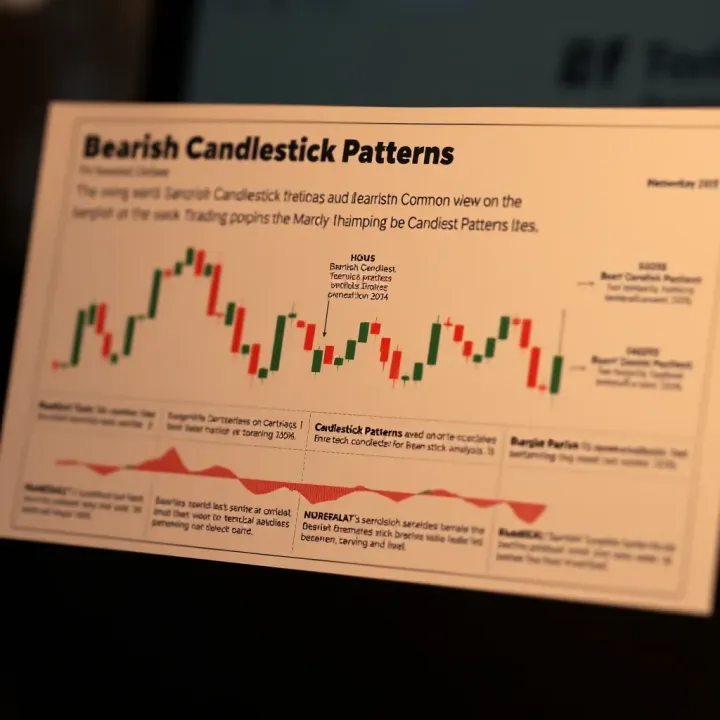
The bearish engulfing pattern is the opposite. Here, a small bullish candle is succeeded by a larger bearish candle that overtakes it fully. It signals a shift from buying to selling pressure and often marks the start of a downtrend. Traders in India might watch for this pattern after a price rally in companies like Maruti Suzuki or Tata Steel to anticipate a correction.
To spot engulfing patterns on Indian stock charts, look for two consecutive candles where the second’s body completely overlaps the first's. Volume data helps confirm strength; a surge in volume during the engulfing candle increases reliability. Platforms like NSE India and BSE India offer detailed charting tools to identify these patterns clearly.
The bullish harami forms when a small bullish or doji candle appears within the body of a preceding large bearish candle. This suggests hesitation among sellers and hints at a possible reversal to upward movement. In Indian markets, such patterns in sectors like FMCG may signal patience for trend change before entering.
In contrast, the bearish harami occurs when a small bearish candle lies within a larger bullish candle’s body, indicating weakening buying interest. For traders, this may warn of a slowdown or reversal ahead, prompting caution especially in fast-moving stocks.
Trading strategies based on Harami patterns involve waiting for confirmation from subsequent candles or other indicators like Moving Average Convergence Divergence (MACD). Since this pattern signals indecision, pairing it with volume or momentum indicators prevents false alarms.
The Morning Star and Evening Star are three-candle reversal patterns that indicate strong changes in market sentiment. The Morning Star appears after a downtrend and starts with a long bearish candle, followed by a small-bodied candle (which can be bullish or doji), and then a long bullish candle, signalling a potential rise.
The Evening Star emerges after an uptrend with a long bullish candle, a small-bodied middle candle, and a strong bearish candle, marking a likely downturn. These patterns help traders spot likely trend reversals earlier, which is useful in timing when to book profits or cut losses.
Three White Soldiers consist of three consecutive long bullish candles, each closing higher than the previous. This pattern points to sustained buying strength and often confirms a bullish breakout. Its bearish counterpart, Three Black Crows, features three long bearish candles in a row, signalling strong selling pressure and potential downtrend.
In the Indian context, these patterns work best when confirmed by market volume and sector trends. For example, a Three White Soldiers pattern in an IT stock rally during a positive earnings season strengthens conviction to hold or buy more.
Multiple candlestick patterns add depth to price analysis, offering clear signals beyond single candles. Their proper use, especially combined with volume and momentum indicators, enhances trading decisions in India's stock markets.
Candlestick patterns provide traders with a visual tool to understand market sentiment and forecast potential price moves. However, relying solely on these patterns can be risky. To strengthen decision-making, it’s vital to combine them with other technical indicators and factor in the broader market context, especially in volatile Indian markets where sector-specific behaviour can differ widely.
Volume acts as a confirmation tool when candlestick patterns form. For example, a bullish engulfing pattern accompanied by higher volume generally suggests strong buying interest, increasing the chances of a price rise. Conversely, low volume can weaken the reliability of such patterns.
Moving averages smooth out price data to identify trend direction and dynamic support or resistance zones. For instance, spotting a hammer candlestick near the 50-day moving average may indicate that the price has found support, promising a potential reversal. Traders in India monitor moving averages closely during earnings seasons when stocks often react sharply.
The Relative Strength Index (RSI) highlights overbought or oversold conditions. When a candlestick reversal pattern appears with RSI below 30, indicating oversold, it strengthens the bullish signal. Similarly, if RSI above 70 aligns with a bearish pattern, a price fall is more probable.
The Moving Average Convergence Divergence (MACD) measures momentum. A bullish crossover combined with a morning star pattern can give traders more confidence in entering long positions. Indian traders especially watch MACD crossovers in volatile sectors like IT and Pharma for timing trades.
Spotting a single candlestick pattern doesn’t guarantee a price move. Relying on it alone can lead to false signals, especially in choppy markets. For example, a doji might suggest indecision, but without confirming signals, it doesn’t predict direction. Experienced traders wait for follow-up candles or combine with indicators for better reliability.
Candlestick patterns perform best when aligned with the prevailing trend. Ignoring this context can mislead traders. A hammer at the bottom of a downtrend shows potential reversal, but the same hammer in an uptrend might just be a brief pause. Indian markets sometimes see sector rotations, so traders should check overall market depth before acting on patterns.
Certain Indian market sectors like banking or commodities can swing sharply due to external factors like RBI announcements or monsoon forecasts. Candlestick patterns in these sectors require extra caution. For instance, a spinning top during monsoon-related commodity volatility may signal indecision but not an immediate trend change.
No candlestick pattern is foolproof. Using stop-loss orders while trading based on patterns can limit losses. Combining pattern signals with risk management tools helps sustain capital during false signals. Indian traders should use position sizing prudently, especially when trading with leverage in derivatives markets.
Successful trading blends pattern recognition with other indicators, context awareness, and strong risk control. This approach increases the chances of consistent profits in the Indian stock market.
📈 Learn how to read market candlestick patterns for better trading decisions in the Indian financial markets. Get clear insights and practical tips for success!

📊 Explore key candlestick patterns and learn how to combine them for clearer insights. Boost your trading decisions in stocks and crypto markets effectively!

📊 Discover key bullish, bearish, reversal & continuation candlestick patterns to read market trends and boost your trading success effectively! 🔥

📈 Learn how multi-candlestick patterns help predict price moves and shape smart trading choices. Master their use across markets and avoid common errors.
Based on 9 reviews