

Understanding Candlestick Patterns for Smarter Trading
Learn to read candlestick charts 📊 and spot key patterns to trade smarter in the Indian stock market 🇮🇳. Practical tips for confident decisions!
Edited By
Emily Turner
Candlestick patterns form the backbone of technical analysis in stock trading, especially in Indian equity markets. These patterns provide a quick, visual summary of price movements during a trading session and help traders predict future price trends with more confidence.
A candlestick represents the price action between the market open and close for a specific time period — intraday, daily, weekly, etc. The body of the candlestick shows the difference between the opening and closing price, while the thin lines above and below called shadows or wicks represent the high and low prices during that session.
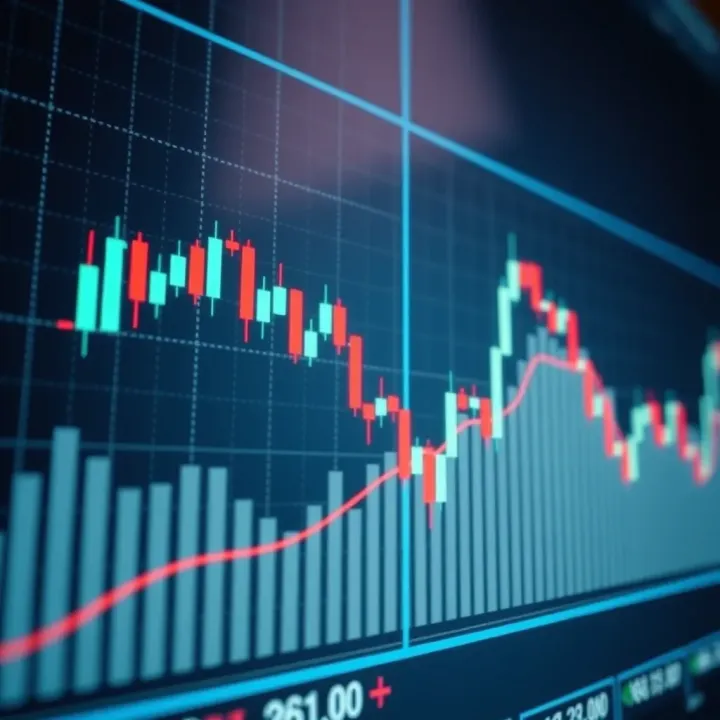
Understanding how these shapes and colours combine into patterns enables traders to spot potential bullish or bearish signals. For example, a long green candle suggests strong buying interest, while a long red candle indicates selling pressure. Doji candlesticks, where the opening and closing prices are almost the same, hint at market indecision.
Beginners often overlook the volume that accompanies these patterns. Higher volumes add credibility to signals; a bullish engulfing pattern on heavy volume is more reliable than on low volume.
Here are essential points to keep in mind when reading candlestick charts:
Body size shows strength of price movement — bigger bodies mean stronger momentum.
Shadows reveal intraday volatility and price rejection levels.
Colour indicates direction; in Indian markets, green candlesticks generally denote gains, red indicates losses.
Pattern context is key; a pattern within an existing uptrend or downtrend often confirms continuation or reversal.
Volume analysis helps validate patterns.
These insights help you decide when to enter or exit a stock position, adjust stop-loss levels, or spot early warnings of a price reversal. Skills in candlestick interpretation can complement fundamental research or quantitative strategies, giving you an edge in fast-moving markets.
In this article, we'll explore the most common candlestick patterns, how volume influences them, and their practical applications for Indian traders and investors. This knowledge will not only enhance your chart reading skills but also sharpen decision-making under varied market conditions.
Understanding the basics of candlestick charts forms the foundation of reading and interpreting stock market movements effectively. Unlike simple line charts, candlestick charts offer detailed insights into price action within a specific time frame, such as a day or an hour. This detail helps traders spot market sentiment and potential reversals more clearly.
Each candlestick reflects four price points: open, high, low, and close. The open price marks the starting point when trading begins for that period, while the close shows where it ended. High and low prices display the extremes reached during the interval. For example, in a one-day chart of Reliance Industries, if the stock opened at ₹2,200, hit a high of ₹2,250, dropped to a low of ₹2,180, and closed at ₹2,230, all these values get represented in one candlestick.
These price points are vital for traders because they indicate the range of price movement, market volatility, and the momentum within that period. Spotting whether the closing price is near the high or low end can hint at buying or selling pressure.
The candlestick's body forms between the open and close prices. Its size and colour reveal whether the stock ended higher or lower than it started. A green (or white) body means the close was above the open, indicating bullishness, while a red (or black) body shows the opposite. The wicks, or shadows, are the thin lines extending above and below the body, representing the high and low prices.
For instance, a short body with long wicks suggests indecision or market hesitation. A hammer pattern, where the lower wick is long but the body is small and near the top, often signals a potential reversal after a downtrend. Recognising these components enables traders to gauge market psychology quickly.
Candlestick charts offer superior visual clarity compared to traditional bar charts. The colour-coded bodies immediately convey bullish or bearish sentiment, making it easier to spot buying and selling trends at a glance. Bar charts show the same price points but lack this intuitive colour differentiation, which can slow down analysis.
Imagine a busy NSE trading day where dozens of stocks move sharply; candlesticks help traders filter through the noise quickly to identify key signals.
Candlestick patterns simplify spotting market trends and reversal points. Patterns like the hammer, shooting star, or engulfing candles appear distinctively, guiding traders on potential entry or exit points. In contrast, bar charts require more interpretation to catch these signals.
For example, spotting a morning star pattern early in the day on a BSE stock could alert a trader about an upcoming bullish reversal, helping them plan their trade accordingly.
Candlestick charts combine detailed price information with clear visual cues, helping traders read market mood swiftly and make better decisions based on price action.

Candlestick patterns help traders and investors quickly interpret market sentiment by offering clear visual cues. Understanding these common patterns improves the ability to anticipate price movements and plan entries or exits effectively. Unlike raw price numbers, candlesticks summarise traders’ psychology during a specific period, making it easier to spot potential reversals or continuations.
Doji stands out as a key pattern indicating market indecision. It forms when a stock’s opening and closing prices are nearly the same, resulting in a very small body with long wicks on either side. For example, if Reliance Industries’ daily chart shows a Doji after a strong uptrend, it may signal that buyers are losing momentum and a reversal or pause could occur. Traders often watch for confirmation from the next candlestick before acting.
Hammer and Hanging Man look similar but appear in different contexts with distinct implications. A Hammer forms after a downtrend and has a small body near the top, with a long lower shadow indicating that sellers pushed price down but buyers regained control. This pattern, seen in stocks like Tata Steel during market dips, suggests a potential bullish reversal. The Hanging Man, conversely, appears after an uptrend and warns of a possible bearish reversal, signalling that selling pressure is emerging.
Shooting Star is a bearish reversal indicator that occurs after an uptrend. It has a small body near the lower end with a long upper wick, demonstrating that buyers pushed price high but sellers forced a close near the open. In the context of HDFC Bank, spotting a Shooting Star at resistance levels prompts traders to consider booking profits or tightening stop-losses.
The Engulfing Pattern consists of two candles where the second candle fully covers or 'engulfs' the first. A Bullish Engulfing appears after a downtrend with a large green candle enveloping a small red one, suggesting buyers have taken charge. For instance, Bajaj Finance may show this pattern after a period of decline, signalling a buying opportunity. The Bearish Engulfing is the reverse, highlighting rising selling pressure at the end of an uptrend.
Morning Star and Evening Star provide reliable reversal signals using three candles. The Morning Star marks a bullish reversal and includes a long bearish candle, a small-bodied candle signalling indecision, and a long bullish candle confirming buying strength. The Evening Star shows the opposite, indicating a bearish reversal after an uptrend. These patterns are useful for timing exits or entries in stocks such as Infosys during volatile sessions.
Three White Soldiers and Three Black Crows offer clear confirmations of strong trends. Three White Soldiers show three consecutive long green candles with small wicks, symbolising sustained buyer dominance, often followed by further rises—seen in companies like Asian Paints during bull phases. Conversely, Three Black Crows consist of three long red candles indicating strong selling pressure, warning traders to prepare for possible declines.
Recognising these patterns on candlestick charts helps traders align their strategies with market psychology. They’re more effective when combined with volume analysis and other technical indicators to avoid false signals.
By mastering these common candlestick patterns, you gain a practical edge in reading stock charts, especially in dynamic Indian markets.
Combining candlestick patterns with volume analysis adds a useful layer of confirmation to trading decisions. Volume measures the number of shares or contracts traded during a given period, showing the strength behind price movements. Without volume context, even the most promising candlestick pattern can lead you astray. For instance, a breakout candle on high volume suggests genuine buying interest, while the same candle on low volume might fail to sustain the move.
When a stock price breaks through a support or resistance level accompanied by a spike in volume, it often signals a valid breakout or reversal. The volume surge means many traders back the move; their participation adds credibility. For example, if Reliance Industries stock forms an engulfing bullish pattern after consolidating near ₹2,500, and volume doubles that day, this validates the pattern indicating a strong likelihood of an uptrend. Conversely, a breakout on thin volume may experience quick pullback, signalling weak conviction.
Volume helps you spot false breakouts or reversals. Sometimes, a candlestick pattern may show a reversal, but if volume is low or declining, the move lacks backing from traders and may fail. An example would be a Doji pattern appearing on Tata Steel's chart near ₹1,200 but without any volume increase. This suggests hesitation but no firm commitment from market participants, warning traders to avoid entering based just on price action.
OBV is a cumulative volume indicator that adds volume on up days and subtracts it on down days, tracking buying and selling pressure. Matching shifts in OBV direction with candlestick signals can reinforce trading choices. If a bullish pattern appears on the price chart but OBV remains flat or decreases, it signals a lack of support behind the move. Conversely, rising OBV along with bullish patterns in stocks like HDFC Bank strengthens the odds of a sustained price rally.
Applying a moving average to volume smooths out daily fluctuations and highlights volume trends more clearly. For instance, if volume on a breakout candle exceeds its 10-day moving average significantly, it confirms trader interest pushing the price. This approach reduces noise, helping traders distinguish between genuine high-volume days and random spikes. It works well in volatile markets like NSE derivatives where volume can vary sharply day to day.
Observing volume alongside candlestick patterns provides a fuller picture of market behaviour, helping investors avoid traps and confirm genuine price movements more confidently.
Applying candlestick patterns to Indian stock markets helps traders and investors make more informed decisions by interpreting price action in the context of local market behaviour. Given the unique features of exchanges like the National Stock Exchange (NSE) and Bombay Stock Exchange (BSE), recognising how these patterns play out here adds practical value for market participants. Indian markets often exhibit volatility due to domestic events and global cues, which can affect the reliability and interpretation of these patterns.
Volatile sessions in NSE and BSE are common during earnings announcements, budget declarations, or geopolitical developments impacting economic outlook. During these periods, candlestick patterns like the Hammer, Shooting Star, or Engulfing formations become particularly useful for spotting quick reversals or continuation. For example, the 2023 Budget season saw multiple blue-chip stocks like Reliance Industries and HDFC Bank forming Morning Star patterns during intra-session dips, signalling potential rebound points for positional traders.
Volatility often amplifies pattern signals but also increases the chance of false breakouts. That is why confirming patterns with volume and other indicators is essential during such times to avoid traps. Volatile stocks like Tata Motors or Adani Enterprises have shown price swings where single candlestick patterns fail alone, demanding more thorough analysis.
Intraday traders heavily rely on short-term candlestick patterns such as Doji, Hammer, and Engulfing to capitalise on small price movements within the day. For instance, Nifty futures often present clear Morning Star or Evening Star formations near support or resistance zones, helping traders decide entry and exit points quickly. These patterns, when combined with momentum indicators like RSI, assist in timely decision-making amid rapid market fluctuations.
For positional traders holding stocks over days or weeks, candle patterns provide context on the prevailing trend’s strength or weakness. Patterns like Three White Soldiers or Three Black Crows can flag sustained momentum shifts in stocks like Infosys or ICICI Bank. By blending candlestick insights with fundamental news, these traders can better manage their holdings, adjusting stop-loss levels or planning exits.
Indian stock markets are influenced not just by local developments but also by global financial trends, crude oil prices, US Federal Reserve policies, and China’s economic moves. These external factors often overshadow technical signals, including candlestick patterns, leading to unexpected market reactions. For example, sudden changes in crude prices can trigger broad market sell-offs even if candlestick charts on individual stocks point to bullish reversals.
Moreover, domestic events such as RBI policy announcements or GST updates can cause short-term price swings that make candlestick patterns less reliable unless contextualised properly. Traders must remain aware that technical patterns alone do not guarantee outcomes; integrating macroeconomic perspectives is vital.
Illiquid stocks on NSE or BSE pose a challenge for candlestick analysis. Sparse trading volumes can lead to misleading patterns where a few trades cause sharp price moves, producing candles that do not represent broad market opinion. For instance, small-cap or penny stocks might show bullish hammers or engulfing patterns that fail to result in sustained moves due to low participation.
To manage this, traders should look for confirmatory signals such as volume spikes or check liquidity metrics before trusting candle formations. Moreover, relying on candlestick patterns with illiquid stocks often requires cautious position sizing and tighter stop-loss levels to minimise risks posed by erratic price behaviour.
Using candlestick patterns in Indian markets offers practical advantages but requires adaptation to local market peculiarities like volatility, liquidity, and external influences. Combining these patterns with volume analysis and macroeconomic understanding improves their reliability for traders and investors alike.
Candlestick patterns provide visual cues about market sentiment, but their real value shines when combined with a wider trading strategy. Relying on these patterns alone can lead to misleading signals, especially in volatile markets like India’s. Integrating them with technical indicators and risk management tools makes your approach more practical and reliable. This helps in identifying better entry and exit points, reducing losses, and improving overall trade success.
Moving averages smooth out price data over a period, helping traders spot trends and filter out the noise. When a bullish candlestick pattern forms near a rising 50-day moving average, it confirms upward momentum, signalling a stronger buy opportunity. Conversely, if a bearish pattern appears below a falling 200-day moving average, it suggests selling pressure. For example, consider an RSI-confirmed hammer candlestick near the 50-day moving average on the Nifty 50 chart; this can validate a pullback with a good chance of a trend continuation.
RSI measures the speed and change of price movements, indicating if a stock is overbought or oversold on a scale from 0 to 100. Combining candlestick patterns with RSI helps avoid traps — like buying at the top or selling at the bottom prematurely. For instance, spotting a bullish engulfing pattern when RSI is below 30 (oversold) increases the odds of a trend reversal. In Indian markets, where momentum shifts can be sharp, this combination acts as a practical tool to time trades better.
Candlestick patterns can guide effective stop-loss placement. A common approach is setting a stop-loss just below the wick of a bullish reversal pattern like a hammer. This limits downside risk if the trade moves against you. Similarly, exit points can be based on bearish reversal signals such as a shooting star or an evening star. Managing exits with these signals prevents giving back profits, especially important in turbulent sessions seen in Indian stocks.
It’s tempting to act on every candlestick pattern, but overtrading often leads to losses and emotional exhaustion. Not all patterns are reliable on their own; filtering them through volume and other indicators, as discussed earlier, helps. Sticking to trades with strong confirmation and ignoring minor signals keeps your approach disciplined. This restraint is particularly valuable for intraday traders on NSE or BSE, where too many trades can quickly eat into the bottom line.
Integrating candlestick patterns with technical indicators and sound risk management turns chart reading into actionable trading decisions, improving both profitability and consistency.
Learn to read candlestick charts 📊 and spot key patterns to trade smarter in the Indian stock market 🇮🇳. Practical tips for confident decisions!
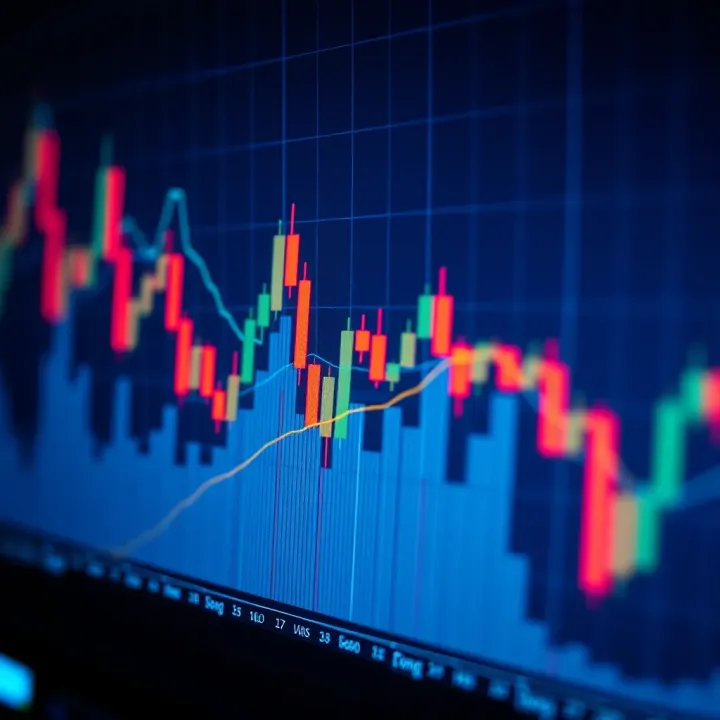
📈 Learn key candlestick patterns with real examples to read price movements effectively. Improve your trading decisions using this practical guide designed for Indian traders.
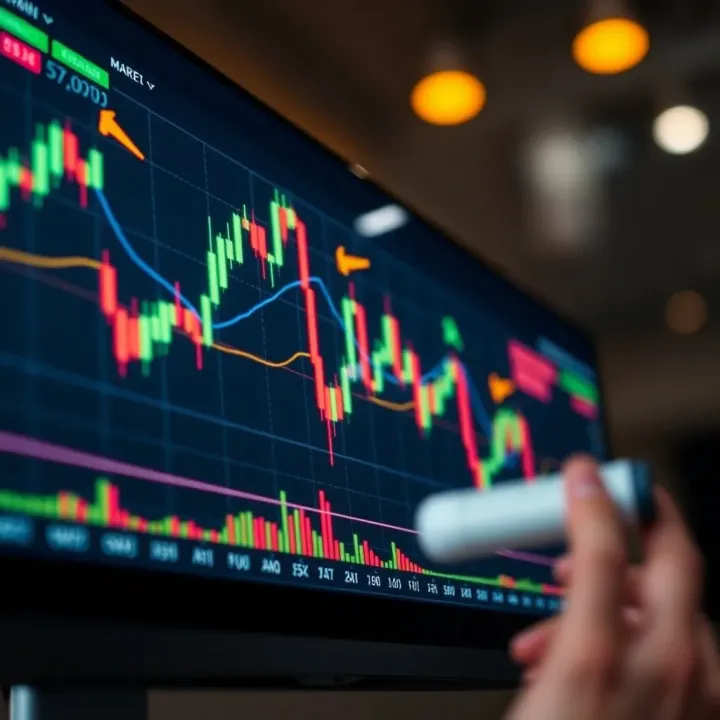
📊 Explore key candlestick patterns and learn how to combine them for clearer insights. Boost your trading decisions in stocks and crypto markets effectively!
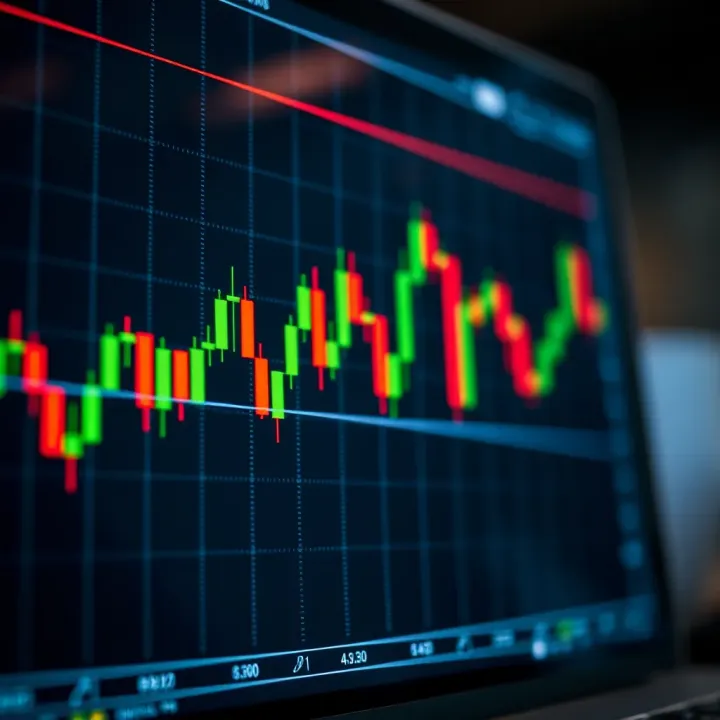
📈 Learn how to read market candlestick patterns for better trading decisions in the Indian financial markets. Get clear insights and practical tips for success!
Based on 15 reviews