

Top Trading Apps in India: What You Should Know
Discover top trading apps in India 📈 Explore features, security, and user experience to pick the best platform for your investing needs safely.
Edited By
Daniel Hughes
Choosing the right trading app can make all the difference when entering the Indian stock market or other investment avenues. In 2022, the landscape of trading apps has grown more crowded and competitive, each offering a mix of features tailored to different investor needs. Whether you are a seasoned trader, a finance analyst, or a student learning the ropes, understanding the key considerations can save you time and effort.
India’s securities market has seen rising retail participation, partly due to easy access through mobile apps. The likes of Zerodha, Upstox, Angel Broking, and 5Paisa are among the popular platforms that provide access to equities, commodities, mutual funds, and even derivatives trading. However, their costs, usability, and service range vary significantly.
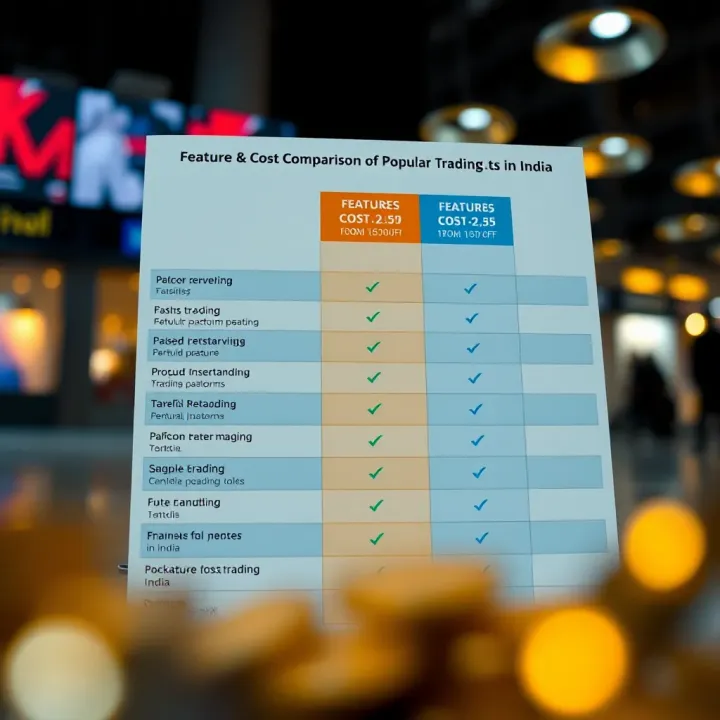
Security and regulatory compliance are non-negotiable. Every app reviewed here complies with Securities and Exchange Board of India (SEBI) regulations and employs multiple layers of data protection and user authentication.
When weighing trading apps, consider these factors:
Brokerage and fee structure: Some apps offer zero brokerage on equity delivery trades but charge for intraday or F&O transactions. Trading and demat account maintenance charges also differ.
User interface and experience: Easy navigation, quick order execution, real-time market data, and efficient charting tools matter for active traders.
Product range: Besides stocks, many apps enable mutual funds investment through SIPs (Systematic Investment Plans), commodity trading, or IPO applications.
Customer support: Availability of quick, helpful assistance can make or break your trading experience in volatile markets.
This review aims to give you a practical view of these aspects, helping you choose a trading app that suits your style and financial goals. We'll also touch upon additional services like margin trading, investment research, and integration with UPI and digital wallets, which are gaining importance for Indian investors.
Investing through mobile platforms is no longer just convenient; it is often the most effective way to stay updated and execute trades instantly. With the right app, you can manage your portfolio confidently, respond swiftly to market changes, and explore diverse investment options, all from your phone.
Let’s explore what makes certain trading apps stand out in the Indian market this year.
Trading apps have become an integral part of the Indian financial ecosystem, offering instant access to stock markets and investment options. Understanding the landscape of these apps helps investors make informed choices based on usability, cost, security, and available features. This overview sets the stage for examining key players and guides users on what to prioritise when selecting a trading platform.
Mobile trading platforms have witnessed rapid growth in India over the past decade, driven by increased smartphone penetration and better internet connectivity, even in tier-2 and tier-3 cities. For instance, apps like Zerodha's Kite and Upstox have attracted millions by simplifying access to equities, derivatives, and mutual funds. Investors now expect real-time quotes, seamless order execution, and integrated portfolio tracking right on their mobile devices. This surge highlights why any review of trading apps must consider how well an app adapts to India's diverse user base.
The Securities and Exchange Board of India (SEBI) plays a crucial role in regulating and supervising trading platforms to protect investors. SEBI mandates strict compliance with KYC (Know Your Customer) norms, data security standards, and transparent brokerage disclosures. Its tight regulatory framework ensures that only authorised brokers and technology partners can operate, reducing the risk of malpractices. When choosing a trading app, confirming SEBI registration is essential as it guarantees a basic level of trust and oversight.
Investor protection goes beyond regulations. Most established trading apps offer features like two-factor authentication (2FA), end-to-end encryption, and secure login methods to safeguard user data and funds. Additionally, mechanisms such as order confirmation alerts and transparency about brokerage charges enhance user confidence. For example, some platforms allow users to set trade limits or alerts that help avoid unintentional high-risk trades. It’s wise to pick an app that balances convenience with robust safety measures to protect investments effectively.
Selecting a trading app backed by SEBI's regulatory framework and equipped with advanced investor protection features is your best bet for a secure trading experience in India.
Choosing the right trading app isn't just about the bells and whistles; security and compliance form the foundation of a trustworthy platform. This section helps clarify the environment and key safeguards essential for anyone venturing into mobile trading.
Choosing the right trading app can significantly impact an investor's experience and overall returns. Evaluation criteria help you separate a clunky app from one that suits your trading style and financial goals. This section breaks down the key aspects to consider, so you know exactly what to look for before downloading or paying any fees.
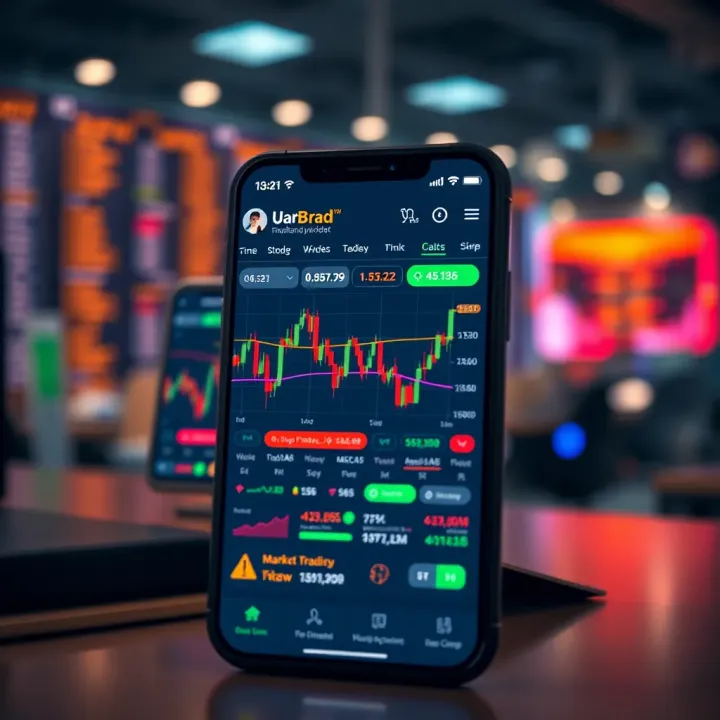
A smooth, intuitive interface reduces the learning curve and minimises costly errors. Beginners often struggle with cluttered layouts or complex navigation, which can make timely trades difficult. For example, Zerodha’s Kite app is known for its clean interface and fast order placement, which appeals to both freshers and experienced traders. App responsiveness and clear charting tools also impact user confidence. Thus, a user-friendly design that works well on mobiles and tablets without lag can save you a lot of frustration.
Different apps use varied brokerage structures, directly affecting your trading costs. Understanding these models can help you save money, especially if you trade frequently.
In this model, you pay a fixed fee per trade regardless of the transaction size. This suits traders dealing in large volumes or high-value stocks because charges cap at a certain amount. For instance, Upstox charges ₹20 per trade or zero brokerage below ₹50,000, which benefits active traders making multiple trades daily. Flat fees bring clarity to expenses, avoiding surprises from percentage-based charges that may fluctuate.
Here, brokerage is a fraction of the total trade value, typically between 0.01% and 0.5%. This model might suit investors making fewer trades or dealing with small amounts. For example, ICICI Direct uses percentage brokerage which can add up for high volume traders but remains cheaper for occasional investors. However, costs can escalate if you frequently trade in large volumes or intraday markets, so checking the fee structure against your trading habits is essential.
Your app must support the financial instruments you want to trade or invest in. Failing that, you might have to juggle multiple platforms, which is inconvenient and risky.
Trading stocks and exchange-traded funds (ETFs) is the backbone for most retail investors. Apps that offer a wide selection across NSE and BSE, as well as access to popular ETFs like Nifty BeEs or gold ETFs, provide much more flexibility. For example, Groww and Zerodha cover a vast stock universe, allowing investors to diversify portfolios easily.
Some apps integrate mutual fund investments alongside stocks, simplifying portfolio management. This feature helps investors rebalance without switching platforms. Groww and Paytm Money are popular for offering zero-commission mutual fund purchases, which adds cost efficiency for those starting SIPs (systematic investment plans).
Investing in commodities like gold or silver and currency futures requires specialised market access. Not all apps provide these options. For traders wanting to hedge or speculate in these areas, platforms like Angel Broking and 5paisa offer access to commodities and currency derivatives, making them practical choices for diverse trading strategies.
Selecting a trading app without considering these criteria is like buying a vehicle without looking under the hood—you might not realise its limitations until it's too late. Think beyond just flashy features; focus on what really matters to your trading style and financial goals.
Choosing the right trading app has become a key factor for Indian investors and traders. These platforms shape your trading experience by offering varied features, asset choices, and costs. In 2022, with rising internet penetration and smartphone use, mobile trading apps have grown in importance, giving access to markets anytime, anywhere.
The top trading apps reflect a blend of user-friendly interfaces, competitive brokerage schemes, and diverse investment options such as stocks, mutual funds, currencies, and commodities. While some apps cater well to beginners with easy navigation and learning modules, others attract active traders by providing advanced charting tools and quick order execution. As you explore these apps, considering both their strengths and limitations will help you match one to your trading style and goals.
Unique Selling Points
Zerodha Kite stands out for its simple, clutter-free design and transparent pricing. It charges zero brokerage for equity delivery trades and just ₹20 or 0.03% per executed order in intraday and F&O segments—whichever is lower. This model works well for traders aiming to keep costs down. Kite also offers smooth integration with Console for portfolio tracking, plus decent charting tools that include various indicators and overlays.
Limitations
However, Zerodha’s app has some drawbacks for advanced users. Its charting features, while useful, don’t match dedicated platforms in depth or customisability. Also, customer support can sometimes be slow, which might frustrate investors needing urgent assistance. Moreover, Mutual Fund investments through the app are limited compared to specialised platforms, posing a challenge for those wanting a one-stop solution.
Unique Selling Points
Upstox Pro is known for its fast order execution and a rich set of features suited for active traders. The app provides advanced charting with 100+ indicators and supports multiple order types, which helps traders test strategies. It offers discounted brokerage plans with zero commissions on equity delivery and competitive rates on intraday trades. Integration with Upstox’s other products creates a good ecosystem for investment and research.
Limitations
That said, Upstox’s user interface can feel overwhelming for beginners due to its wealth of options and technical jargon. New investors might struggle to navigate the app confidently without some learning curve. Additionally, while Upstox offers customer service via chat and phone, response times vary, and some users have reported delays during peak hours.
Unique Selling Points
Angel Broking’s app excels with its personalised advisory services powered by AI, called ARQ. This feature suggests customised portfolio recommendations, which benefits investors who prefer guided decision-making. The app boasts a smooth UI, easy onboarding process, and covers a wide variety of investment options, including commodities and currencies, which is useful for diverse portfolios.
Limitations
On the flipside, Angel Broking’s brokerage fees are slightly higher than discount brokers like Zerodha or Upstox, which can eat into profits for frequent traders. Also, some users have pointed out occasional app crashes during high market volatility, which could hinder timely trades. Finally, while its advisory tools are decent, they might not satisfy highly experienced traders looking for granular analytics.
Assessing these app features against your trading habits helps you avoid surprises and pick a platform that truly fits your style and needs. Whether you prioritise low costs, advanced tools, or personalised guidance, understanding each app’s pros and cons is critical.
Through this review of top trading apps in India for 2022, you get a clear idea of what each app offers and where they fall short, helping you make smarter investment choices.
The additional tools and services provided by trading apps have become vital for investors today. Beyond basic buying and selling, these features enrich the trading experience and can influence outcomes significantly. They offer practical help in decision-making, risk management, and knowledge-building, which are crucial in a market that moves fast.
Having access to timely and relevant market news within a trading app keeps investors informed and ready to act. For instance, updates about the Reserve Bank of India's policy changes or major corporate earnings can trigger market movements. Alerts for such news within the app help traders seize opportunities or avoid pitfalls without constantly scouring multiple news sources.
Good trading apps integrate charts, indicators, and fundamental data to help users evaluate stocks comprehensively. Technical analysis tools might include moving averages, RSI (Relative Strength Index), or volume patterns, which guide entry and exit points. On the other hand, fundamental analysis tools provide insights into earnings, debt, or cash flow, assisting long-term investors in filtering quality stocks. These tools save time and offer a structured way to assess investments directly on one platform.
Reliable customer support can make or break a trader's experience. Fast and easy access to help desks ensures issues like order execution problems or account queries get resolved quickly. For example, apps with 24/7 chat support or dedicated helpline numbers tend to reduce downtime and investor frustration, especially during volatile market phases.
A well-designed trading app caters not only to seasoned investors but also supports beginners. Interactive tutorials, webinars, and articles simplify complex concepts like derivatives or SIPs (Systematic Investment Plans). This education builds confidence and empowers users to make informed decisions instead of guessing or relying on tips.
Extra services in trading apps are not mere add-ons; they can improve your market understanding and trading efficiency while offering vital support when you need it most.
Ultimately, when choosing a trading app, pay attention to these additional tools and services. They enrich your trading journey and can help avoid costly mistakes.
Discover top trading apps in India 📈 Explore features, security, and user experience to pick the best platform for your investing needs safely.

📈 Explore top trading apps in India! Compare features, security, charges & investment options to find the best platform for your trading needs.

📈 Discover India's top trading apps – learn about their features, costs, usability, and security to find the perfect fit for your investing goals.

Explore India's top trading apps 📱 with insights on features, ease of use, security 🔒, and which suits your investing style best. Make wise trading choices today!
Based on 12 reviews