
Choosing the Right Forex Trading Platform in India
Navigate online forex trading in India with confidence! Discover the right platforms, essential features, and safe trading tips 📊💡🔒
Edited By
Oliver Grant
Paper trading is a practical way to hone your stock market skills without risking real money. It replicates live market conditions, allowing you to simulate buying and selling shares as if you were trading for real. This practice helps you understand market behaviour, test strategies, and build confidence before committing actual funds.
When choosing a platform for paper trading, you need to consider several key factors. Firstly, real-time data accuracy matters a lot. A delay of even a few minutes can mislead your decisions and reduce the learning value. Platforms providing up-to-the-minute quotes and charts offer a better simulation experience.
Secondly, the user interface and tools availability play a big role. You want a platform that’s easy to navigate but powerful enough to analyse market trends. Features like customizable watchlists, advanced charting tools, and access to technical indicators help users perform thorough analysis.
Another important aspect is the range of securities the platform covers. Ideally, it should include Indian stocks, indices, derivatives like futures and options, and possibly global markets if you want broader exposure. This variety allows you to explore different trading styles and asset classes.
Moreover, look for order types offered during simulation. Does the platform support limit orders, stop-loss orders, and bracket orders? Real trading involves such complexities, and experiencing them in paper trading sharpens your practical knowledge.
Also, check if the platform has a robust risk management system. Some platforms provide simulated margin calls or warnings about overleveraging, which are useful for learning discipline.
Good paper trading software feels like the real deal, giving you insights into the fast-moving markets without the stress of losing actual money.
Lastly, consider platform accessibility. Whether it is mobile-friendly or available as a desktop application impacts how flexibly you can practice. For instance, Zerodha Varsity offers a comprehensive paper trading module with real data and user-friendly tools, while internationally, platforms like TradingView and Thinkorswim are popular for their detailed simulations.
To sum it up, the best paper trading platform fits your learning style, provides market realism, and includes features that match your trading ambitions. Choosing wisely helps you build strategies effectively and prepares you for real-market challenges.
Paper trading lets you practise stock buying and selling without putting real money on the line. Instead, you trade with simulated funds in a virtual environment that mirrors actual markets. This helps you gain familiarity with trading dynamics and platform tools without any financial risk.
Paper trading operates by providing a simulated trading account where you can place orders based on real or near real-time market data. For example, if you decide to buy fifty shares of Reliance Industries, the platform records this virtual purchase at the market price, but no real transaction occurs. Your portfolio updates just as it would in live trading, enabling you to track gains, losses, and overall strategy performance.
Practising with virtual money removes the emotional pressure that comes with risking your own funds. You can test different strategies freely—whether it’s momentum trading or value investing—without worrying about immediate losses. For instance, a new trader can try day trading small caps to understand price volatility, all while learning to handle platform features like stop losses or limit orders. Moreover, it helps build discipline and confidence, valuable traits when transitioning to live trading.
Paper trading benefits a wide range of individuals—from beginners just grasping market basics to advanced traders experimenting with new strategies or asset classes. Even students aiming to understand stock markets or finance professionals wanting to test algorithmic trading models find paper trading a practical tool. For example, a retail investor in Mumbai planning to enter the equity market during a festive sale can use paper trading to sharpen timing skills before investing actual money.
Starting with paper trading can save you costly mistakes. It acts as a safe training ground where you understand the risks and mechanics behind each trade before entering real markets.
Understanding what paper trading involves and its advantages helps you pick a platform that matches your learning goals. It ensures you gain hands-on experience while protecting your capital, making it an essential step for anyone preparing to trade seriously in the Indian markets or beyond.
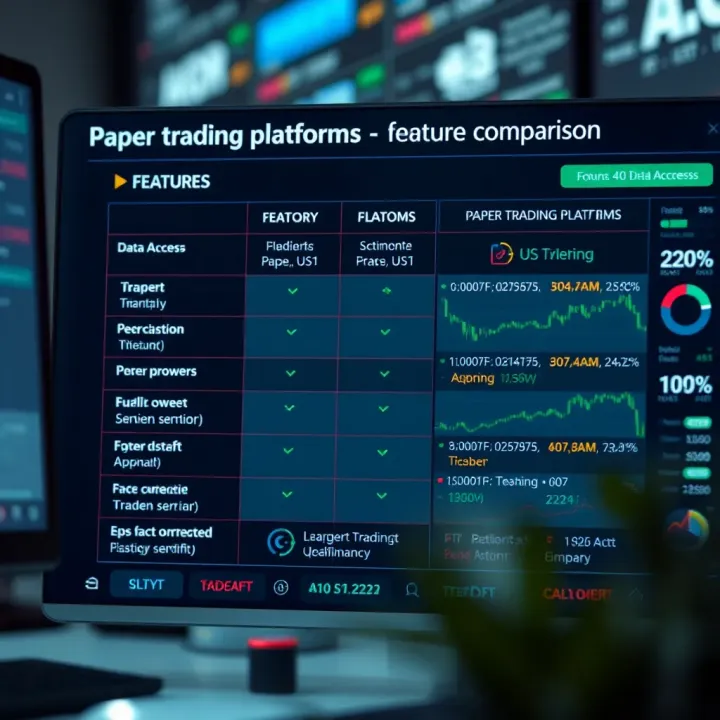
Choosing the right paper trading platform means focusing on certain key features that make your practice as close to real trading as possible. These features help build confidence and sharpen skills without putting your money at risk. A platform with reliable market data, easy order execution, and a user-friendly interface ensures your virtual trades reflect what you would face in the live market.
The core of paper trading is experiencing real market conditions, so access to realistic market data is essential. This means the platform should offer live prices, not delayed quotes, reflecting the real-time market movements you will encounter. For example, Zerodha's console provides market data updated almost instantly, making your virtual trades feel genuine.
Equally important is how the platform processes your orders. Order execution should match actual market behaviour, including fills, partial fills, or rejections depending on market conditions. Upstox's simulator does well by mirroring order book dynamics, so you get a hands-on feel for how orders are handled in volatile conditions.
No matter how good your trading strategy, its success depends on transactions executed at the prices you expect. Realistic execution on a paper trading platform prepares you for this reality.
A platform's ease of use affects how quickly you can place trades and analyse your portfolio. A clean, intuitive user interface helps you focus on strategy rather than struggling with clunky navigation. For instance, Angel Broking’s paper trading platform offers a straightforward dashboard where you can track your watchlist and execute trades smoothly, even if you're new to trading.
Look for platforms that support mobile and desktop access, since you may want to paper trade while commuting or from your desk. Being able to customise views and alerts also improves your learning experience by letting you focus on your preferred stocks and timings.
Your paper trading experience widens when you can practice across different asset classes. A good platform offers a variety of instruments like equities, commodities, currencies, and derivatives. Interactive Brokers’ paper trading covers multiple global markets and instruments, giving Indian traders exposure beyond the domestic stock market.
This diversity lets you test strategies tailored to different markets or instruments without opening separate accounts. It also helps familiarize you with order types and margin requirements specific to each asset.
Effective trading relies on more than just executing orders. Look for platforms that provide advanced research and analysis tools such as technical charts, news feeds, and fundamental data. TradingView stands out here with its extensive charting options and community-driven trading ideas, all integrated within its paper trading environment.
These tools allow you to test how your strategies perform under various market conditions and adjust accordingly. Access to historical data also lets you rewind and experiment, which is invaluable for learning patterns and improving decisions.
Having the right mix of these features ensures that your paper trading practice is not just theoretical but practical and closely aligned to actual trading scenarios. This creates a smoother transition when you move to live trading.
Reviewing the top paper trading platforms helps you choose the right tool to sharpen your trading skills without risking real money. Different platforms offer varied market data accuracy, instrument availability, and user experience. Getting familiar with these elements ensures your practice feels closer to live trading, preparing you better for actual markets.
Zerodha Varsity and Console provide an excellent starting point for investors in India. Zerodha Varsity offers comprehensive educational content paired with Console, Zerodha’s portfolio management and trading simulation platform. Though Console’s paper trading feature is relatively basic, it benefits from integration with Zerodha’s extensive brokerage infrastructure, making it easy for beginners to transition from learning to actual trading.
Upstox and Angel Broking Simulators offer intuitive user interfaces perfect for traders wanting to experiment with different strategies. Upstox’s simulator allows practising across equities and derivatives, along with real-time market data, giving a smooth experience. Angel Broking’s simulator goes a step ahead by combining paper trading with advisory services, helping users refine their approach based on expert recommendations. Both platforms provide good accessibility via mobile apps, which suits many Indian traders balancing work and learning.
TradingView is popular globally for its interactive charts and wide community-driven ideas. Indian traders find its paper trading functionality highly useful, especially for testing technical analysis strategies across various global markets. The platform’s cloud-based model means your setups sync across devices, enhancing convenience.
Thinkorswim by TD Ameritrade offers an advanced simulator with powerful charting tools and a vast range of instruments including options and futures. Although its interface can overwhelm beginners, experienced traders appreciate its professional-grade analytics, which are not easily matched by Indian platforms. Using Thinkorswim requires creating a U.S. account, but it remains a favoured choice among serious Indian traders seeking comprehensive practice tools.
Interactive Brokers Paper Trading provides a realistic simulation environment replicating live market conditions closely. It supports over 135 markets globally, which proves invaluable for those interested in diverse asset classes and international trading. Its platform is more suited for experienced traders as it demands familiarity with complex order types and risk management.
When comparing platforms, consider:
Market data accuracy: Platforms like Interactive Brokers and Upstox provide near real-time data, essential for effective practice.
Ease of use: Indian platforms like Zerodha Console and Angel Broking favour simplicity, while global platforms lean towards feature-rich interfaces.
Access and cost: Most platforms offer free paper trading, but some global ones may require account creation or minimum deposits.
Range of instruments: For diverse portfolios, Interactive Brokers and Thinkorswim excel beyond basic equity trading.
Choosing a platform based on your trading focus and comfort with technology pays off. Start simple if you are new and gradually move to richer platforms to deepen your skills.
This balanced review equips you to pick a paper trading platform that fits your learning style and trading goals effectively.
Paper trading offers a safe way to practise market strategies without real money at stake. However, to truly benefit, it's important to approach it with clear goals, discipline, and reflection. Maximise your learning by treating your paper trades as seriously as live ones, tracking your progress carefully, and preparing well for the shift to actual investing.
Start with achievable objectives that match your current skill level. For example, if you're a beginner, aim to familiarise yourself with position sizing and basic order types rather than complex derivatives trading. Try defining specific targets like "maintain a 2% maximum daily loss" or "execute at least three trades weekly". This helps you stay focused and measure progress clearly. You can also simulate different strategies such as swing trading or momentum trading to see how they perform in various market conditions. Avoid the trap of unrealistic expectations like expecting instant profits or testing too many complicated approaches at once, which can cloud your learning.
Document every trade you make with details like entry price, exit price, reason for trade, and outcome. Many paper trading platforms provide tools for analysis, but maintaining a personal journal adds perspective on your thought process over time. Regular reviews help identify patterns in your wins and losses, allowing you to fine-tune strategies and avoid repeating mistakes. For instance, you might notice you tend to hold losing positions too long or overtrade on good days. Using simple spreadsheets or apps designed for traders can make this task manageable. Remember, the goal is to develop consistent habits that work under real conditions.
Moving to live trading requires mental preparation beyond mastering strategies. Money psychology impacts decisions heavily – the fear of losing actual funds and the excitement of real profits often alter behaviour from simulated trades. Start small with sensible capital allocation and treat initial live trades as another learning phase. You should also adjust for factors like slippage, transaction costs, and market liquidity that paper trading may not replicate perfectly. Continuing to monitor trades and keeping your journal during this phase helps maintain discipline. Importantly, accept that losses are part of real trading; the skills honed during paper trading matter more than flawless performance.
Consistent practice with clear goals, honest review, and gradual exposure to live markets turns paper trading from a mere exercise into an effective learning tool.
Approach paper trading as a foundation for lifelong trading improvement rather than a shortcut to quick profits. That attitude, paired with a good platform and disciplined habits, will serve you well in your investing journey.
Navigate online forex trading in India with confidence! Discover the right platforms, essential features, and safe trading tips 📊💡🔒
📈 Practice stock trading risk-free with live paper trading apps! Learn key features, top Indian platforms, and expert tips to sharpen your market skills.
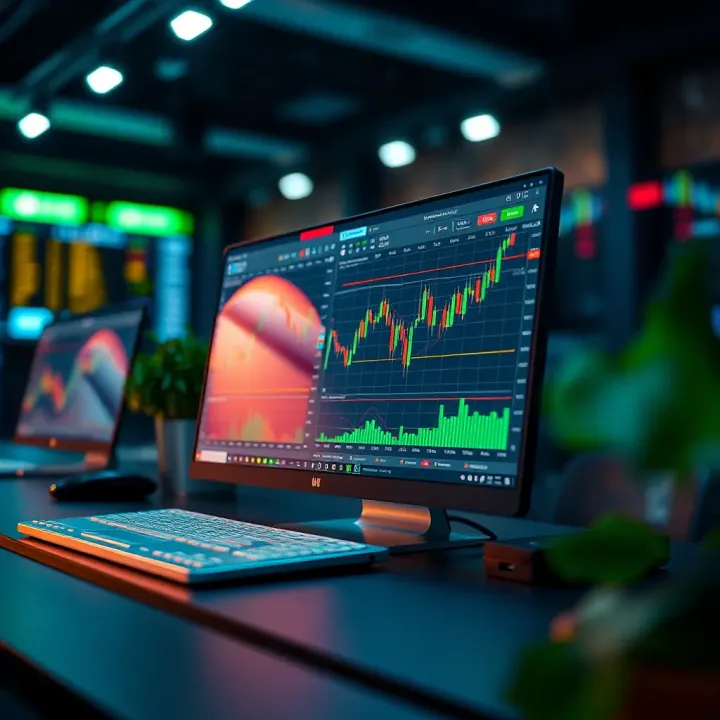
📈 Start paper trading with confidence! Learn key tools, strategies, common pitfalls, and how to smoothly shift to real stock trading in India’s market.
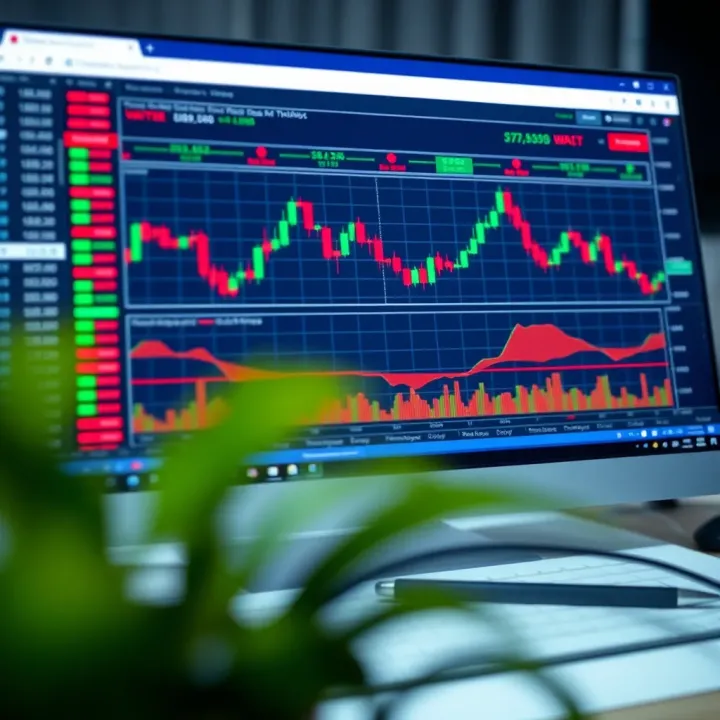
Learn how online paper trading 📈 lets Indian traders practice stock market strategies risk-free with top platforms, helpful tips, and common traps to avoid.
Based on 9 reviews