

Guide to Online Forex Trading in India
Explore online forex trading in India 📈. Learn about markets, platforms, strategies, risk control, and legal tips to trade smart and safe.
Edited By
Benjamin Harris
Choosing the right forex trading software is essential for success, especially in the fast-moving currency markets. Indian traders often juggle varied priorities—affordability, ease of use, and reliability—making the decision more complex than just picking the most popular platform.
Forex trading software acts as your main tool to analyse currency movements, execute trades, and manage your portfolio. The right software can help spot opportunities quicker and reduce the chances of costly mistakes. For example, a beginner trader in Chennai might prefer a platform like MetaTrader 4 for its simplicity and vast community support, while an experienced investor using algorithmic strategies may lean towards platforms like NinjaTrader or cTrader, which allow extensive customisation.
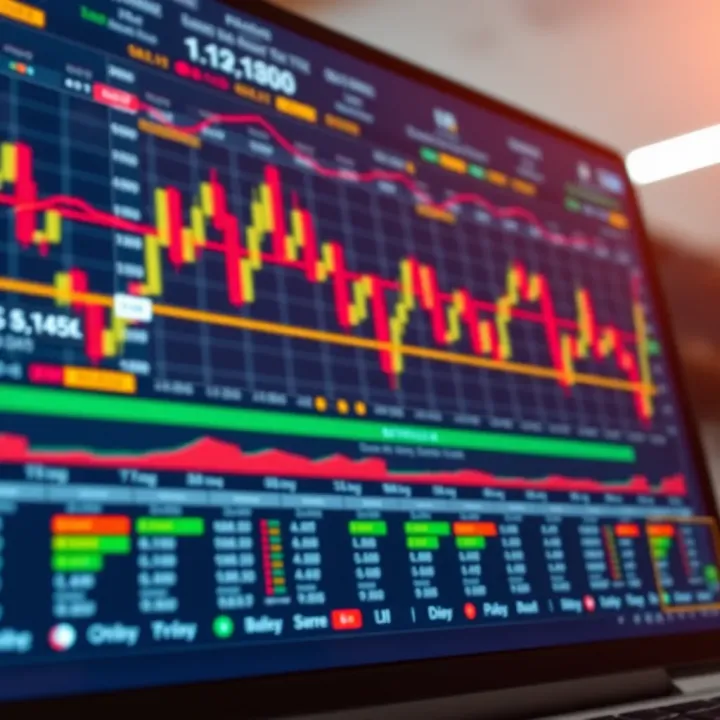
When selecting software, focus on factors like feature set, user interface, cost, and customer service, rather than just brand name or flashy adverts.
Charting and Analysis Tools: Look for advanced charting options, indicators like RSI and MACD, and the ability to backtest strategies. These help traders analyse trends effectively.
Order Execution Speed: In currency markets, milliseconds can affect profits. Software that offers quick, reliable execution improves trade outcomes.
Ease of Use: User-friendly interfaces reduce errors; platforms with cluttered dashboards often overwhelm, especially new traders.
Customisation and Automation: Features like Expert Advisors (EAs) let traders automate trades. Such tools appeal to those handling multiple positions or preferring systematic trading.
Mobile Compatibility: Given India's mobile-first nature, platforms must offer robust mobile apps for trading on the go.
Some software offers free basic versions with charges for premium tools; others work on subscription or per-trade fees. For instance, Zerodha’s Kite app provides free access to advanced charts but charges brokerage on trades.
Reliability entails uptime guarantees and responsive customer support. Indian traders should favour software with local service channels to avoid delays during critical moments.
Choosing forex trading software demands clear understanding of personal trading style and goals. Spending time comparing features, reading user reviews, and trying demo versions will help find software suiting your needs. Remember, the best software is the one that fits your style and helps you trade consistently, not just the one with the biggest marketing budget.
Choosing the right forex trading software hinges on understanding the features that directly impact trading efficiency and success. These features determine how smoothly you can navigate markets, analyse data, automate trades, and manage risks. Let’s break down the essentials.
Ease of navigation is fundamental for any trader, especially when split-second decisions matter. A clean layout with intuitive menus helps users swiftly access charts, order books, and account info. Imagine trying to place a trade on a cluttered platform during volatile market hours—the confusion could cost you dearly. Software with straightforward navigation reduces errors and improves response time.
Customisable dashboards let traders tailor their workspace to fit their preferences. For instance, a day trader focusing on EUR/USD might set up multiple live charts and news feeds across the screen, whereas a swing trader might prefer a summary view of positions with technical alerts. This personalisation enhances comfort and effectiveness by presenting relevant information front and centre.
Multi-monitor support benefits active traders who monitor several currency pairs or indicators simultaneously. Software that supports multiple screens enables spreading out charts, order dialogs, and analytics tools without switching tabs. For example, a forex trader in Mumbai might use two monitors—one showing live order flow, the other technical analysis—to spot opportunities faster.
A variety of chart types is crucial because different styles suit different traders. Line charts offer simplicity, while candlestick and bar charts convey more information like open, high, low, and close prices useful for detailed analysis. Having access to multiple chart types lets traders adjust their view depending on strategy or market conditions.
Technical indicators available make all the difference in reading market trends. Popular tools like Moving Averages, Bollinger Bands, and RSI give insights into momentum or potential reversal points. The software should supply a wide range of indicators and allow for customised settings so traders can fine-tune signals based on their trading style.
Drawing and annotation features help traders mark important levels or chart patterns for quick reference. Being able to draw trendlines, support/resistance zones, or highlight price gaps directly on charts aids decision-making. For instance, a trader spotting a head-and-shoulders pattern can annotate and monitor its development without needing external tools.
Support for algorithmic trading is vital for traders interested in automating strategies to capture opportunities 24/7 without constant oversight. Software should allow integration of bots or expert advisors (EAs) that execute trades based on predetermined rules, eliminating emotional bias.
Backtesting capabilities allow users to test their automated strategies against historical data before applying them live. This reduces risks by validating effectiveness over different market cycles. For example, a trader can backtest a moving average crossover strategy over five years of data to check profitability.
Ease of programming and integration determines how accessible algorithmic trading is. Platforms that offer user-friendly scripting languages or integration with popular programming environments like Python make building or importing custom bots easier. This widens usability among traders who may not be coding experts.
Order types supported affect how precisely you can control trades. Apart from basic market and limit orders, features like stop-loss, take-profit, trailing stops, and bracket orders give flexibility to manage entries and exits effectively.
Speed and reliability of execution matter because delays or slippage can erode profits or increase losses. The software must connect swiftly to brokers’ servers, especially during busy hours when liquidity fluctuates. Slow execution can cost a trader more than the commission paid.
Risk controls like stop loss and take profit are cornerstone features to protect capital. Automated triggers to close or reduce positions once targets or limits hit help enforce discipline. For instance, a trader using ₹1 lakh capital wouldn’t want a single bad trade to wipe out half the amount due to lack of these controls.
The right forex trading software balances intuitive design, powerful analysis tools, automation, and risk management to help traders make informed decisions confidently. Assessing these features ensures you pick software that really works for your style and market needs.
When choosing forex trading software, Indian traders must consider platforms that align well with local market conditions, broker compatibility, and regulatory norms. The top software used globally can differ in suitability for India because of factors like broker support, ease of fund transfer, and tailored features. By understanding popular platforms like MetaTrader, cTrader, and NinjaTrader, traders can pick software balancing features with practical usability.

MetaTrader 4 (MT4) and MetaTrader 5 (MT5) remain widely favoured for their comprehensive tools and user-friendly interface. MT4 offers essentials like multiple chart types, a broad range of technical indicators, and support for Expert Advisors (automated trading bots). MT5 builds on this with additional markets coverage, depth of market (DOM) features, and an expanded indicator library, suiting traders wanting advanced analysis.
These platforms enjoy compatibility with many brokers serving the Indian market, including FXTM, OctaFX, and IC Markets. Their widespread adoption means easier account opening and smoother deposit-withdrawal processes using Indian payment methods such as UPI and net banking. That said, traders should confirm individual broker licensing and ensure compliance with SEBI guidelines.
MetaTrader’s large user base guarantees a rich community ecosystem. Indian traders benefit from active forums, Indian language tutorials, and local Telegram groups where strategies and troubleshooting tips circulate. Moreover, brokers often provide direct support for MT4/MT5 which cuts down downtime and query resolution times.
cTrader is known for its clean, modern interface with intuitive navigation and multi-window setups that help traders manage numerous charts and orders effectively. Tools like advanced charting, level II pricing, and custom templates appeal to traders who want precise market depth insights and quick decision-making.
cTrader supports algorithmic trading through cAlgo, a platform allowing the creation and backtesting of automated strategies using C#. This feature suits Indian traders keen on developing bespoke trading bots or testing strategies without risking real funds.
cTrader is supported by several Indian-friendly brokers, but its adoption is less widespread compared to MetaTrader. However, its modern capabilities and growing popularity position it as a good alternative, especially for those who find MT4 or MT5’s interface dated or limiting.
NinjaTrader offers sophisticated features such as advanced order types, customizable charting, and a robust strategy development environment. It appeals particularly to active traders focused on futures and forex who need fine-grained control over execution and extensive backtesting options.
Despite its features, NinjaTrader faces limited broker support in India. Indian traders may find fewer options for account integration and face challenges with payment methods and regulatory compliance. This restricts its practicality unless the user trades through international brokers.
NinjaTrader offers a free version with limited features and charges for full licences via subscriptions or one-time fees. Given cost sensitivity among Indian traders, especially beginners, this pricing model might deter many who prefer free or low-cost platforms like MT4.
Most Indian forex traders benefit from starting with widely supported platforms like MetaTrader due to better broker access, community help, and cost efficiency before exploring niche options like cTrader or NinjaTrader.
By weighing these software choices against individual trading needs and market realities, Indian traders can better navigate the forex world with confidence and suitable tools.
Choosing forex trading software suitable for Indian traders involves several unique factors. Regulatory compliance, cost, payment convenience, and access across devices play major roles. These aspects ensure smooth trading, adherence to Indian laws, and practical usability.
The Securities and Exchange Board of India (SEBI) regulates forex trading in India, mainly allowing trading only in currency pairs involving the Indian rupee (INR). This means software and brokers must follow SEBI guidelines strictly. Using software compliant with these rules avoids legal risks and trading disruptions.
Not all brokers worldwide are accessible to Indian traders due to these regulations. Hence, choosing software supporting brokers approved or registered in India matters. Many popular platforms integrate with brokers authorised by SEBI or the Reserve Bank of India (RBI), giving assurance that trades follow local rules without risking compliance.
Software compliance itself is also critical. Platforms should support KYC (Know Your Customer) processes, fund transfer methods acceptable under Indian law, and transaction reporting standards. Non-compliant software might lack features catering to Indian tax regulations or could pose security concerns.
Subscription and licensing fees vary widely among forex trading software. Indian traders should weigh these costs against potential returns, and watch for hidden charges like data fees or premium feature costs. Budget-friendly options often suit beginners, while professionals might invest more for advanced tools.
Moreover, the choice between free and paid versions affects long-term usability. Free versions may restrict chart types, order options, or lack real-time data. Paid versions offer comprehensive features but require monthly or annual fees. Many Indian traders try demos or freemium plans before upgrading.
Payment options accepted by Indian users also matter. Software providers enabling payments through net banking, UPI, or popular wallets like PhonePe or Google Pay simplify transactions. International credit cards or forex cards might face blocking or delays. Hence, software accommodating Indian payment methods ensures hassle-free renewals and subscriptions.
Mobile apps availability is crucial today. Trading on the go suits active traders who respond quickly to market changes. Platforms like MetaTrader offer mobile apps working on Android and iOS, compatible with Indian smartphones and network conditions.
Web-based platforms eliminate the need for installation and often require just a browser. This suits traders in tier-2 or tier-3 cities where system resources might be limited. They can trade on any device with internet access.
Internet speed remains a concern in various parts of India. Software optimised for lower bandwidth, with features like compressed data transfer or offline mode, helps traders in areas with spotty connectivity. Otherwise, slow execution could cause losses especially for high-frequency trading.
Selecting forex trading software with a clear understanding of regulatory, cost, payment, and accessibility factors helps Indian traders avoid pitfalls and trade confidently in the local context.
Choosing the right forex trading software is not just about features on paper but how well it performs in real-market scenarios. Evaluating and testing software helps you avoid costly mistakes by uncovering limitations early. This section guides you through practical steps to assess software quality and suitability for your trading style.
Demo accounts offer a risk-free environment to understand how the software operates with live market data but without actual money at stake. Indian traders benefit by practising trades, exploring interface elements, and testing execution speeds before committing funds. This hands-on experience builds confidence and sharpens decision-making.
To test software features thoroughly, use demo accounts to replicate your typical trading strategies. For instance, if you rely on technical analysis, check if indicators function correctly and if drawing tools respond smoothly. Try placing different order types such as limit orders or stop-loss to see how execution and alerts behave. This process lets you uncover usability issues or restrictions hidden behind attractive feature lists.
Despite their advantages, demo versions have limitations. They might not fully simulate all market conditions, especially volatile ones, leading to an overly optimistic view of the software’s capabilities. Some trials restrict access to premium features or compress backtesting data, which can mislead your evaluation. Awareness of these drawbacks prevents blind reliance on trial experiences alone.
Execution speed directly impacts trade success. Slow or delayed order confirmations can cause missed opportunities or losses. Testing software under real-time conditions, preferably using demo accounts during active market hours, reveals if the platform matches brokerage data feeds efficiently. Indian traders facing inconsistent internet speeds should also check how software handles connectivity interruptions.
Crash and bug history matter because frequent failures disrupt trading and erode trust. Researching user feedback and monitoring update logs helps identify software prone to glitches. Platforms with regular patches and transparent bug fixes tend to be more reliable over time.
Update and maintenance policies show how committed developers are to keeping the software current and secure. Frequent updates ensure compatibility with new market regulations and technology changes. On the other hand, neglected software risks security vulnerabilities and feature obsolescence, which isn’t suitable for active forex traders.
Responsive customer support becomes crucial when facing issues during live trading. Immediate help can prevent losses caused by software glitches or misunderstandings. Indian users should verify if support channels like phone, chat, or email are available during Indian Standard Time (IST) business hours.
User reviews and forums provide real-world insights beyond vendor claims. Community forums often highlight quirks, hidden costs, or workarounds not documented officially. Reading these can reveal patterns in user satisfaction or dissatisfaction, guiding a more balanced software choice.
Local user groups and Telegram channels create a space for instant peer support tailored to Indian traders. These communities share tips, discuss broker compatibility, and alert members to temporary platform issues or regulatory changes. Joining such groups enhances your knowledge and preparedness in the fast-moving forex market.
Testing forex trading software thoroughly with demo accounts, checking performance metrics, and tapping into community feedback are key steps that help Indian traders avoid common pitfalls and make smart software choices.
Choosing the right forex trading software goes beyond just picking the flashiest platform. It means understanding how the software aligns with your trading approach, budget, and reliability requirements. Indian traders stand to benefit the most when they match software tools to their specific styles and focus on long-term value.
Different trading styles demand distinct software features. For instance, scalpers require platforms with lightning-fast order execution and real-time price updates since they depend on quick trades for small profits. On the other hand, day traders benefit from detailed charting tools and multiple time frames to spot intraday trends, while swing traders look for robust technical indicators to hold positions over days or weeks.
A trader who scalps using MetaTrader 4 might prioritise low latency and one-click trading. Meanwhile, a swing trader may lean toward cTrader for its advanced indicators and easy strategy automation. Understanding these nuances helps avoid overspending on features that won’t add value.
When deciding between manual and automated strategies, your software choice becomes even more critical. Manual traders often need intuitive interfaces, clear charting, and prompt execution tools to make timely decisions. Conversely, automated traders focus on how well the platform supports algorithmic trading languages and offers reliable backtesting features.
For example, MetaTrader 5 supports Expert Advisors (EAs) allowing automated strategies, which suits those wanting to reduce manual input. Manual traders might prefer software with straightforward navigation and fewer distractions. Matching the software with your preferred approach helps avoid frustration and maximises effectiveness.
Price alone doesn't determine value. Instead, evaluate how much functionality you get for the fee paid. A free version may lack certain features, but if those features aren’t required for your trading style, it still offers good value. Similarly, expensive software isn’t always better if it includes many functions you do not use.
Indian traders should consider factors like licensing fees, subscription models, and inbuilt broker compatibility. For instance, some platforms charge annual fees while others work on a one-time payment. Understanding these can help plan expenses better.
Also, think about long-term benefits. Software with reliable updates, strong customer support, and community resources saves money and hassle over time. A slightly higher upfront cost for dependable software often proves cheaper than changing platforms frequently or suffering losses due to glitches.
Trading software is a tool — its true worth shows when it complements your strategy, keeps costs reasonable, and remains stable under live market pressures.
In short, evaluate software based on how well it fits your trading style and budget, not just on feature lists or price tags alone. This focused approach will help you pick a platform that supports your success journey efficiently and smoothly.
Explore online forex trading in India 📈. Learn about markets, platforms, strategies, risk control, and legal tips to trade smart and safe.

🌐 Explore online forex trading in India with our practical guide covering legal tips, startup steps, risks, and smart strategies for confident trading 📈

Learn live forex trading basics, strategies, risk tips, and platform selection 🔍. Stay ahead with real-time data and tackle challenges confidently! 📈

Learn how money works in forex trading 💹! Understand currency factors, manage risks smartly, and make informed decisions tailored for Indian traders 🇮🇳.
Based on 15 reviews