
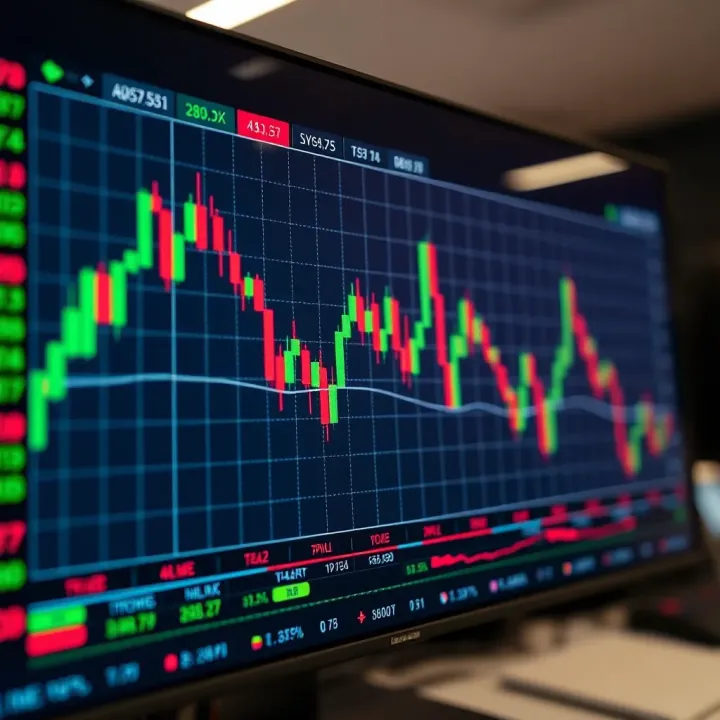
Choosing the Best Online Forex Trading Course in India
📊 Discover how to choose the right online forex trading course in India. Learn about key features, strategies, tools, and risk management for success.
Edited By
Liam Edwards
Selecting the right forex trading course can set the tone for your success in currency markets. With so many options out there, picking one that truly fits your needs requires a clear understanding of what to look for.
First, identify your trading goals. Are you a beginner aiming to grasp basics like chart reading and risk management? Or an experienced trader seeking advanced strategies and technical analysis? Courses vary widely, so aligning content with your skill level is essential.

Next, consider the course format. Some rely on live sessions where you can interact with instructors, while others offer self-paced video modules. For instance, platforms like Coursera or Udemy provide flexible timing, ideal if you juggle work and studies. However, live webinars, like those offered by TOPSTEP, can offer real-time feedback, benefiting those who prefer active engagement.
Evaluate course credibility carefully. Check for trainers with verified industry experience or certifications. Reading student reviews and testimonials can reveal practical insights into course quality and support. Beware of promises for quick riches; forex trading demands patience and solid skills.
Also, assess whether the curriculum covers key areas such as:
Technical analysis (trend lines, indicators)
Fundamental analysis (economic news impact)
Trading psychology (managing emotions)
Money management (position sizing, stop losses)
A course that integrates these topics prepares you better for real market scenarios.
Always remember, mastering forex demands continuous learning. A good course should encourage critical thinking, not just rote strategies.
Finally, consider practical components. Does the programme offer demo trading accounts or simulation tools? Hands-on experience within the learning journey helps cement concepts and builds trader confidence.
In short, choosing the best forex trading course means balancing your learning style, credible instruction, comprehensive content, and practical exposure. This approach sets a solid foundation as you enter the fast-moving world of forex trading.
Grasping forex trading basics and the skills it demands is essential before you pick any course. Forex markets operate differently from stocks or commodities, so knowing these unique traits helps you choose training that truly prepares you for real-world trading. For example, understanding the timing of forex sessions or specific currency pair behaviours can directly affect your strategy.
Forex trading revolves around currency pairs, where one currency is exchanged for another—think USD/INR or EUR/USD. Learning how these pairs move against each other is key because your profit comes from changes in their relative value. The market runs 24 hours on weekdays, split into sessions based in major financial centres: Sydney, Tokyo, London, and New York. Knowing when these sessions overlap helps you find periods with more liquidity and volatility, which suits active trading.
Traders use varied strategies like scalping, day trading, or swing trading. Scalping aims at quick, small profits by entering and exiting trades rapidly. Swing trading holds positions longer, sometimes days, to capture larger trends. A course should explain these techniques with practical examples, so you know which fits your time and risk profile. For instance, scalping would not suit someone who can check markets only occasionally, like a working professional.
Forex markets can be volatile and leveraged, meaning you trade with borrowed money. This amplifies both profits and losses. Understanding risks such as market risk, liquidity risk, and leverage risk is vital. For example, high leverage can wipe out your account swiftly if the market moves against you. A good course highlights these dangers and teaches ways to protect your capital through stop losses and position sizing.
Technical analysis studies past price data to predict future movements using charts and indicators like moving averages or RSI (Relative Strength Index). This skill helps you spot entry and exit points. Courses should include hands-on charting practice using platforms such as MetaTrader or TradingView. Without technical analysis, trading decisions are more guesswork than strategy.
This involves analysing economic reports, geopolitical events, and central bank policies that influence currency values. For example, RBI’s interest rate cuts or US non-farm payroll data often trigger sharp market moves. A course covering fundamental analysis prepares you to interpret news and adjust your trades accordingly, which is especially important in longer-term forex trading.
Controlling your downside keeps you in the game longer. Skills such as deciding how much to risk per trade, setting stop losses, and diversifying reduce chances of large losses. For instance, risking just 1-2% of your trading capital per position helps survive losing streaks without wiping out your account. A solid course emphasises this discipline as much as strategy.

Trading tests your patience and emotions. Fear and greed can lead to impulsive decisions, like exiting a winning trade too soon or averaging down on losing trades. Managing stress, following your plan, and staying calm under pressure are key skills. Some courses include mindset coaching or stress management techniques to help traders build mental resilience.
Understanding forex trading’s core concepts and the skills it needs lays a strong foundation for selecting a course that equips you realistically, saving time and money while enhancing your chances of success.
When entering the world of forex trading, selecting the right type of course is key to building strong foundations. Courses come in various formats, each catering to different learning styles and schedules. Understanding the formats helps you pick one that matches your pace, preference, and specific goals in forex trading.
Several platforms now offer comprehensive self-paced courses, covering everything from currency pairs basics to advanced trading strategies. For instance, sites like Coursera and Udemy host forex trading classes designed by experienced traders and finance professionals. They provide a modular structure which lets you pause and revisit lessons, making it easier to balance learning alongside your daily commitments.
Self-paced courses give you the flexibility to learn at your convenience but require high self-discipline. You save money and control your speed, yet you miss immediate feedback or discussion opportunities. Without an instructor present, misconceptions can go unnoticed, which may affect your trading decisions later on. This style suits those comfortable with independent study and who have some prior knowledge of financial concepts.
Live training sessions offer direct interaction with instructors, enabling instant clarifications and customised guidance. These sessions often occur via video calls or webinars, fostering an immersive learning atmosphere. Being able to ask questions and discuss market examples in real-time helps sharpen understanding and keeps motivation high.
To find credible trainers, check their verifiable track records: seasoned traders with documented successes or affiliations with recognised financial institutions like NSE or SEBI. Student reviews, LinkedIn profiles, and industry awards can also signal credibility. Choosing a trainer with relevant experience ensures you gain practical insights relevant to India’s forex market conditions.
Workshops and bootcamps are short, intensive programmes that cram essential topics into a few days or weeks. These offer hands-on practice with real-time trading simulations and peer interaction, creating concentrated learning bursts.
Bootcamps suit those eager to fast-track their skills or professionals looking to reskill during a career break. For example, a 3-day bootcamp might focus on technical analysis charts, teaching you to spot trends quickly. However, the rapid pace means it’s less suitable if you're new to forex or prefer reflective study time.
Choosing the right course format depends on your learning style, schedule, and current knowledge. Each type brings distinct advantages that affect how effectively you can grasp forex trading concepts and apply them in real markets.
Selecting the right forex trading course requires careful attention to several key factors. Not just the content, but the trainer's background and the course's cost-to-value ratio significantly impact the learning outcome. When you consider these aspects systematically, your chances to succeed in currency markets improve.
A forex course should offer comprehensive coverage of technical analysis and fundamental analysis. Technical analysis teaches you to read charts, spot trendlines, and use indicators like RSI or Moving Averages, which help anticipate price moves. Fundamental analysis, on the other hand, involves understanding economic indicators such as GDP data, interest rates, and geopolitical events influencing currency values. For example, how RBI's repo rate changes affect the INR's strength.
Risk management techniques are equally vital. A course that focuses on stop-loss orders, position sizing, and risk-reward ratios prepares you to limit losses and protect capital. For instance, learning to set stop-loss 1–2% below entry price can save you from heavy drawdowns during volatile market swings.
Lastly, the course should include hands-on practice and real market examples. Theory alone won't make you ready for live trading. Practical exercises using demo accounts, case studies of recent market events, and live trade walkthroughs make concepts stick. This helps build confidence before risking real money.
The trainer's experience in forex trading matters a lot. A person actively trading with a decent track record understands market psychology better than someone relying purely on theory. Check if they've navigated different market conditions like the 2020 pandemic crash or the demonetisation impact on INR pairs.
Student testimonials and reviews offer a window into the course's effectiveness. Genuine feedback about clarity, responsiveness, and how well the course prepared learners for real trading can guide your decision. For example, a course with consistently positive reviews from traders based in Mumbai or Delhi adds assurance.
Price plays a major role, especially for Indian traders managing budgets carefully. Forex courses vary widely—from free YouTube tutorials to ₹1,00,000+ premium programmes. It’s essential to evaluate whether the cost matches the depth, trainer quality, and ongoing support offered.
The return on investment (ROI) is not just measured in profits but in knowledge gained and applied. A reasonably priced course that enhances your skills and trading discipline can save you lakhs in bad trades. So, look beyond the sticker price and consider long-term benefits.
Choosing a forex course wisely combines examining its content, the trainer’s credibility, and cost-effectiveness. This balanced approach helps lay a strong foundation for your trading career.
By weighing these factors carefully, you ensure the course you pick aligns with your goals and prepares you well for the complexities of forex markets.
When picking a forex trading course, verifying its credibility and authenticity is essential. A course might promise much, but without proper validation, it could lead to wasted time and hard-earned money. A credible course ensures you gain relevant skills and real knowledge rather than just impressions or unverified claims.
One of the most straightforward ways to judge a course's worth is to look at what past students say about it. Genuine reviews often reflect both positives and negatives, helping you grasp the course's practical value. For instance, a trader who found the course helped them understand risk management clearly would be a good sign. On the other hand, if you see many comments about outdated materials or lack of support, that raises red flags.
It's advisable to scan independent platforms or social media rather than just testimonials on the official site. Also, look out for patterns: multiple reviews praising live interaction or real market examples suggest those features are strong.
The trainer's background deeply impacts learning quality. Experienced market practitioners, who have traded during various market cycles, offer insights beyond textbooks. Checking their credentials means looking at their track record, years active in forex trading, and prior professional roles.
For example, a trainer who has worked with reputed financial firms or has live trading proof can provide trustworthiness. Some courses feature trainers certified by recognised bodies or those who have authored publications on forex strategy—these add to credibility. Avoid courses with trainers whose experience is vague or unsubstantiated, as it typically dilutes course value.
The forex trading education space has its share of scams—promises of guaranteed profits, unrealistic claims, or “secret methods.” It’s important to stay cautious. Common traps include courses that lock you into expensive subscriptions without actual value, or those that push you to invest immediately with unverified brokers.
Look for transparency: does the course outline clear learning outcomes? Are payment terms upfront? Does the provider offer a trial or refund policy? Real courses emphasise skill-building and risk awareness, not quick wealth schemes.
A genuine forex trading course will focus on educating you about managing risks, understanding market volatility, and developing disciplined trading habits.
Being mindful of these aspects protects you from scams and helps you pick courses that genuinely improve your trading skills.
In summary, evaluating course credibility involves checking honest student feedback, confirming trainer expertise, and being alert to common scams. This process saves you from wasted investment and builds a solid foundation for your forex trading journey.
Completing a forex trading course is just the beginning of your trading journey. To make the most of your learning and start earning, you need to take practical steps that help you apply theory to real markets. This section guides you through concrete actions like selecting a good broker, setting up your account, practising on demo platforms, and continuing to sharpen your skills.
Choosing a reliable broker is the first and most important step. Not all brokers are created equal, and poor choice can cost you money and time. Look for brokers regulated by recognised authorities like the Securities and Exchange Board of India (SEBI), who offer transparent fee structures and robust trading platforms. For example, brokers such as Zerodha, Upstox, and ICICI Direct provide access to currency trading with reasonable spreads and customer support that understands Indian traders’ needs.
Opening and funding a trading account comes next. Once you pick a broker, complete the KYC (Know Your Customer) process that typically involves submitting your PAN card, Aadhaar, and bank details. Fund your account cautiously — start with a small amount that you are comfortable risking as you adapt to live market conditions. Many brokers offer seamless fund transfers using UPI or net banking, making it convenient for Indian traders.
Using demo accounts to practise remains a crucial step even after your course. Demo accounts simulate real trading environments without risking real money. This lets you test your trading strategies, get familiar with the broker’s platform, and build confidence before moving to live trades. By practising extensively on a demo, you can avoid costly mistakes when you begin live trading.
Keeping up with market news plays an ongoing role in successful trading. Forex markets react quickly to global economic events, central bank decisions, and geopolitical developments. Sources like the Economic Times, Bloomberg Quint, and Reuters India can help you stay informed. Understanding how news impacts currency pairs will help you make more timely and accurate trading decisions.
Joining trader communities and forums adds practical value too. Platforms like Traderji or groups on WhatsApp and Telegram bring together Indian traders sharing insights, tips, and support. These communities provide real-time feedback, offer diverse viewpoints, and can alert you to new trading opportunities or warnings about scams.
Learning from mistakes and adapting strategies is essential for growth. No trader wins every time; the key is reviewing your trades honestly, identifying errors, and adjusting your approaches accordingly. Keeping a trading journal where you note your entry and exit reasons, profit or loss, and emotions involved can help you spot patterns and improve discipline over time.
Starting your forex trading career with practical steps and continuous learning ensures that you build skills steadily and avoid common pitfalls. The market evolves, and so should you if you want consistent results.
By focusing on these concrete actions post-course, you can turn knowledge into real-world trading success.
📊 Discover how to choose the right online forex trading course in India. Learn about key features, strategies, tools, and risk management for success.
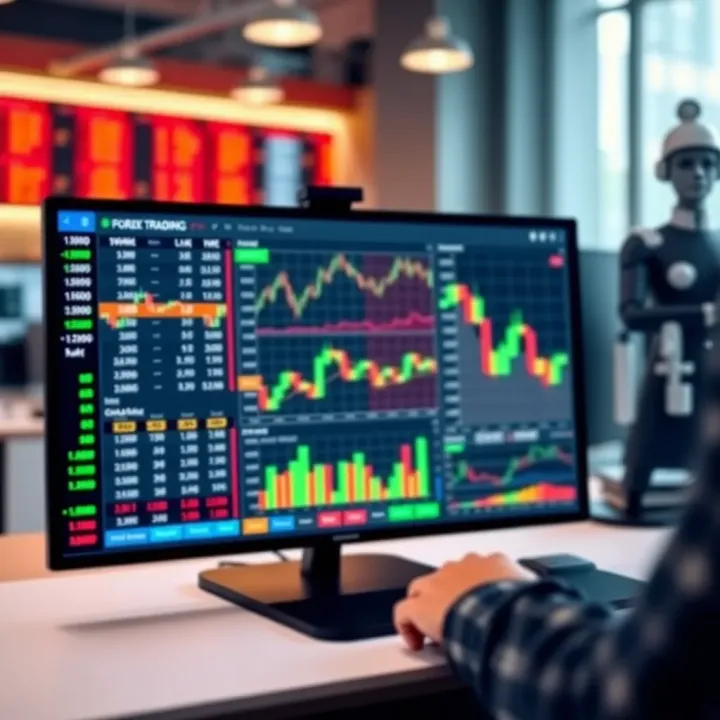
Navigate online forex trading in India with confidence! Discover the right platforms, essential features, and safe trading tips 📊💡🔒

💱 Learn how to make money forex trading in India with practical tips, smart strategies, and risk management for better success in currency markets. 📈
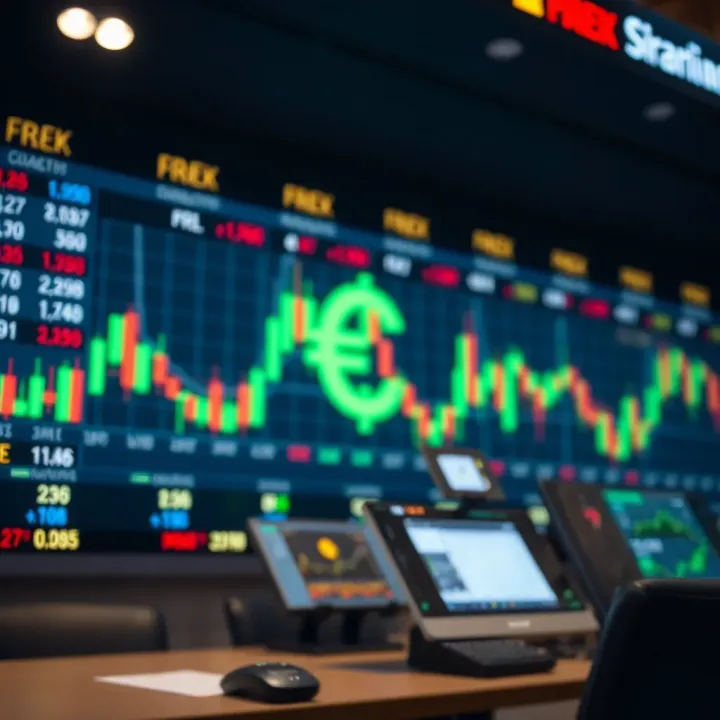
📈 Learn what forex trading means, key players, factors affecting currency rates, and tips for beginners to navigate this dynamic market safely.
Based on 12 reviews