
Choosing the Right Low Brokerage Trading App in India
Find the best low brokerage trading apps in India 📱 Compare features, benefits, and costs to save money and trade smartly with ease. 📊💸
Edited By
James Whitaker
In the bustling world of Indian stock markets, option trading has gained tremendous popularity among investors looking for higher returns and strategic flexibility. But here’s the catch: frequent trading can quickly burn a hole in your pocket if you don’t pick the right brokerage app. This is where low brokerage option trading apps step in, offering an affordable gateway to the options market without compromising on essential features.
Choosing an option trading app is not just about the lowest cost per trade; it’s about striking a balance between brokerage fees, the app's reliability, security measures, and user-friendly features. Many traders often overlook hidden charges or platform limitations, which can affect their overall trading experience.
This article aims to equip Indian traders—from newbies to seasoned pros—with the know-how to identify cost-effective yet robust option trading apps. We’ll look at the fee structures, compare popular platforms like Zerodha, Upstox, and 5Paisa, and highlight what features truly matter for options traders in India.
Whether you’re eyeing to scalp options intraday or planning longer-term strategies, understanding the nuances of brokerage charges along with app capabilities can save you both money and stress down the line. So, let’s cut through the clutter and find the best low brokerage app tailored to your trading style and needs.
Grasping the basics of option trading and brokerage fees is a must for anyone seriously considering trading options in India. This knowledge sets the foundation for making smart choices about which trading app to use and how to manage expenses effectively.
Knowing how options work and the role of brokerage can save you a lot of headaches—like unexpected costs eating into your profits or picking a platform that just doesn’t fit your trading style. For example, if you don’t understand the impact of brokerage fees, you might choose an app that looks cheap upfront but ends up costing you more in the long run due to hidden charges or percentage-based fees.
Options give traders the right, but not the obligation, to buy or sell an asset at a predefined price before or on a certain date. In India, the most common options traded are call options (betting the price will go up) and put options (betting the price will drop). These tools aren't just for big players; retail investors can use them for hedging risks or speculating with limited downside.
Take an example: Suppose you believe Reliance Industries’ stock will rise in the next month. Instead of buying the shares directly, you can purchase a call option to potentially profit with a smaller upfront investment. This flexibility, however, comes with nuances—like expiry dates and strike prices—that affect your strategy and risk.
Option trading in India happens mainly on exchanges like the National Stock Exchange (NSE) and involves standardized contracts. Traders buy and sell options through registered brokers who act as intermediaries. It’s important to note that option contracts here specify the lot size (number of shares covered by the option), strike price, and expiry date.
The process starts with choosing an option you want to trade, placing your order through your broker’s trading app, and then monitoring market movements. Settlement typically occurs through cash, so physical delivery of shares is rare. The standardized nature of contracts in India also ensures transparency, but traders must keep an eye on margin requirements and regulatory rules set by SEBI.
Brokerage is the fee charged by a broker for executing your trades. Think of it as paying the ticket clerk to get your seat on the train. Each time you buy or sell an option, the broker takes a cut, which can be a flat fee or a percentage of the trade value. Some platforms offer zero brokerage on options trading but might compensate through other charges.
For instance, Zerodha charges a flat Rs. 20 per trade regardless of how many options contracts you trade, while others like Upstox might have different structures. It's crucial to figure out how brokerage fits into your trading style, since frequent traders will see these fees add up quickly.
Brokerage fees can make or break your overall profitability, especially if your trading style involves lots of small trades. Imagine making 20 option trades in a month with Rs. 20 brokerage per trade—each trade chips away at your gains.
Beyond direct brokerage, watch for hidden fees like transaction charges, GST, and stamp duty, which contribute to the total cost. For example, a trader focusing on intraday options might prefer a platform with a flat fee to keep costs predictable. On the other hand, long-term option holders might prioritize apps with no expiry-based charges.
High brokerage charges can turn modest profits into losses, so selecting a low brokerage app tailored to your trading frequency and volume is a smart move.
Choosing an option trading app in India means balancing cost, usability, and features. Understanding the basics of options and how brokerage impacts your trading wallet puts you in a better position to pick the right platform and make wise trades.
Choosing the right app with low brokerage fees isn't just about saving a few rupees here and there—it's about making your trading journey cost-effective and efficient. With option trading, where multiple contracts might be traded daily, fees can pile up fast. A high brokerage charge can eat into your profits or even turn a winning trade into a losing one.
For example, imagine trading options frequently and paying 0.5% per trade on a ₹50,000 contract versus a flat fee of ₹20. The difference in cumulative cost over months can seriously affect your net gains. Low brokerage apps give you the freedom to trade actively without fretting over each penny spent on fees.
Transaction costs directly influence how much money stays in your pocket at the end of the day. Even a small percentage in brokerage can mean a noticeable dent when compounded over multiple trades. If you're trading options, where margins can already be tight, reducing brokerage from 0.1% to a flat ₹20 per trade means your cost baseline shrinks, allowing more room for profits.
Take Ravi, for instance, who trades weekly options strategies. Switching to a low brokerage app helped him keep more of his profit intact. Over a quarter, his savings on brokerage added up to nearly ₹10,000, money he could reinvest or withdraw.
The more you trade, the greater your transaction costs add up. Frequent traders, especially those who scalp or hedge actively, feel the sting of high brokerage most. If an app charges ₹50 per transaction, and you place 50 trades a month, that's ₹2,500 just on fees before taxes.
Choosing a platform with low or flat brokerage charges can slow the bleeding of your capital. It puts you in control, making frequent trading economically viable instead of a losing proposition. Low brokerage apps allow you to pursue trading strategies and respond to market moves without second-guessing the fees weighing on your gains.
A low brokerage structure encourages active trading by lowering the cost barrier. When the fees are minimal, traders can jump into the market more confidently, knowing that they won’t be punished by high charges for each trade.
This flexibility is critical for adapting to market swings. Suppose the markets are volatile—being able to quickly enter or exit option positions without worrying about hefty fees can make the difference between making gains or suffering avoidable losses.
When brokerage costs are reasonable, experimenting with varied option strategies becomes practical. Traders aren’t limited to just buying or selling vanilla call and put options; they can explore spreads, straddles, and iron condors without worrying about excessive cost per leg.
For instance, executing a multi-leg spread strategy typically involves paying brokerage on every leg. High fees can discourage using complex strategies that could improve risk-reward balance. Low brokerage apps here enable traders to diversify their approach without each trade burning a hole in the pocket.
Effective option trading apps with low brokerage charges open doors to smart, strategic trading without constant cost concerns. This means traders save more, act faster, and adapt better in India's dynamic market.
In the next sections, we'll explore how to identify these key app features and compare them for the best fit for your trading style and budget.
Picking an option trading app without knowing what features matter can be like buying a car without checking the engine. It’s crucial to go beyond just the brokerage fees and see what the app offers in functionality, ease, and security. These features impact not only your cost but also how effectively and comfortably you can trade options.
Most Indian brokers offer either flat brokerage fees or percentage-based fees on option trading. Flat fees, like ₹20 per trade regardless of trade size, help traders know exactly what they'll pay, which works great if you're doing small or frequent trades. On the flip side, percentage-based fees (say 0.05% of trade value) can be more suitable if you're trading large volumes where the flat fee might put a dent in your profits.
Practical tip: If you trade options in small lots or often, look for an app like Upstox that offers flat fees so costs don’t pile up. For high-value trades, Zerodha's percentage-based pricing might be more wallet-friendly.
Sometimes, an app might look cheap on the surface but hit you with hidden fees — stamp duty, transaction charges, GST, or platform usage fees. Also, some brokers charge extra for order modifications or cancellations.
Always ask or read fine print before committing. For instance, 5Paisa charges flat fees but watch for charges on order amendments. The best apps are upfront about these and often provide a cost calculator to estimate the full trade expense.
Hidden costs can quietly eat into your profits — better safe than sorry.
When markets move fast, the last thing you want is clunky app navigation slowing your buying or selling. A straightforward app layout with quick order placement cuts down on mistakes and missed opportunities.
Good apps like Angel Broking have clear buttons for option buying, selling, and order types right on the main screen — no hunting through menus. Customizable watchlists and one-click order placements are big pluses.
Options can swing wildly as markets shift, so up-to-the-second information is a must-have to make timely decisions. Some apps update prices every second, while others might lag, which can cost you.
Look for apps offering streaming quotes and live charts — Zerodha Kite excels here. Delay or stale data is like driving blindfolded.
Understanding Greeks (Delta, Gamma, Theta, Vega) helps traders gauge risk and potential reward. Not all apps provide clear analytics on these, but ones that do give an edge.
Payoff calculators let you simulate how strategies like spreads or straddles might perform under different market moves. This tool is invaluable when testing new strategies.
For example, Upstox's app includes detailed Greeks analysis and payoff visualization, which makes it easier for beginners and seasoned traders alike.
Good chart tools help spot trends and price actions that guide better option trades. Look for apps that provide multiple timeframes, overlays like moving averages, and indicators such as RSI or MACD.
Without solid charting, you'd be guessing in the dark. Angel Broking offers such tools in their mobile app, blending convenience with depth.
Trading apps handle sensitive personal and financial data. Strong encryption and secure login methods protect you from hacks. Always check if the app supports two-factor authentication and encrypts data transfers.
Your account’s safety can’t be an afterthought. Apps like Zerodha and Upstox have robust security setups following industry best practices.
In India, SEBI (Securities and Exchange Board of India) regulates brokers and trading platforms. Always verify if the app is registered with SEBI, indicating compliance with legal and operational standards.
Trading on a SEBI-registered platform reduces risks related to fraud and malpractice. Most top apps mentioned here clearly display their SEBI registration details.
When hunting for the right option trading app, considering these key features lets you trade smarter and safer, not just cheaper. It’s about a balance — low brokerage is great, but it shouldn’t come at the cost of usability, tools, or security. Look beyond the price tag, and you’ll find an app that truly fits your trading style and goals.
When it comes to options trading, the choice of app can significantly affect your net returns, primarily due to brokerage fees and the quality of trading tools available. Reviewing popular low brokerage apps allows you to weigh their pros and cons with concrete details rather than assumptions. Such reviews highlight critical factors like fee structure, ease of use, and the availability of features essential for option traders.
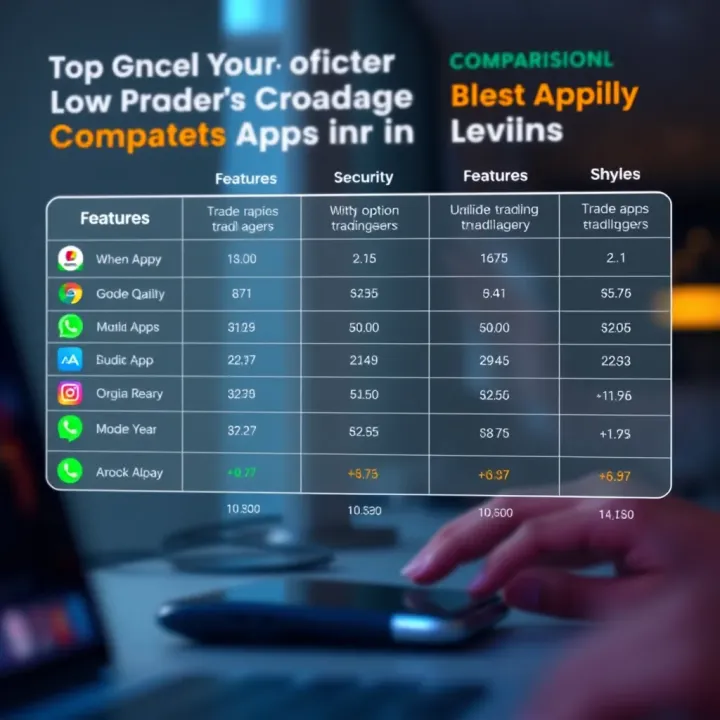
Comparing apps such as Zerodha Kite, Upstox Pro, Angel Broking, and 5Paisa helps traders pick a platform that fits their trading style and budget. It’s not merely about who charges less but how the overall package — including speed, reliability, and customer support — influences your trading efficiency. For instance, the fastest order executions can save you money when prices move within milliseconds during volatile market sessions.
Zerodha operates on a flat fee model for options trading, charging ₹20 or 0.03% per order, whichever is lower. This cap makes it appealing to high-frequency traders as it limits the cost regardless of trade size. This model also helps avoid the surprise of variable costs linked to trade value, making your budgeting easier.
Zerodha Kite is known for its clean interface that balances minimalism with functionality. It provides real-time market data and a full suite of charts and indicators. Plus, it boasts seamless integration with Smallcase and Coin, great for investors moving between equities and options. The app’s reliability during peak hours adds confidence for those placing time-sensitive trades.
Upstox Pro also employs a flat fee brokerage model similar to Zerodha, charging ₹20 per trade on options regardless of the contract size. This can produce significant savings for bulk traders. What sets Upstox apart is its competitive pricing coupled with regular promotions for zero brokerage on select segments.
Upstox Pro equips users with advanced charting tools, over 100 indicators, and customizable watchlists. It also has a handy market depth feature which is a boon when you want to gauge liquidity before executing sizeable option trades. For traders who live on analytics and indicators, this app packs a punch.
Angel Broking provides a simple and cost-effective brokerage model with zero brokerage on delivery trades and a flat ₹20 per executed order for intraday and derivatives trading. This straightforward fee structure fits casual traders who want to keep costs predictable without worrying about hidden charges.
The Angel Broking app shines in mobile usability. Its smooth, intuitive design allows even beginners to place trades quickly. Features include voice-based order placement and in-built advisory tools that suggest option strategies based on market trends. These additions can be valuable for traders looking for assistance and smart ideas on the go.
5Paisa stands out with a very aggressive flat brokerage plan charging as low as ₹10 per trade on options after subscription to their membership plans. Non-subscribers also enjoy reasonable fees but subscribing opens up more cost benefits for active traders.
The 5Paisa app focuses heavily on user experience, offering a simple navigation system and quick access to option chain data and market news. The app’s strength lies in combining affordability with a feature-rich environment, including nifty market summaries and detailed option payoff calculators ideal for newcomers and seasoned traders alike.
Choosing the right option trading app isn’t just about picking the lowest brokerage—it involves balancing fees, features, and ease of use to help your trading move smoothly and profitably.
By evaluating these popular platforms based on their brokerage structures and user-focused features, traders can take more informed steps toward selecting an app that suits their specific needs and trading goals.
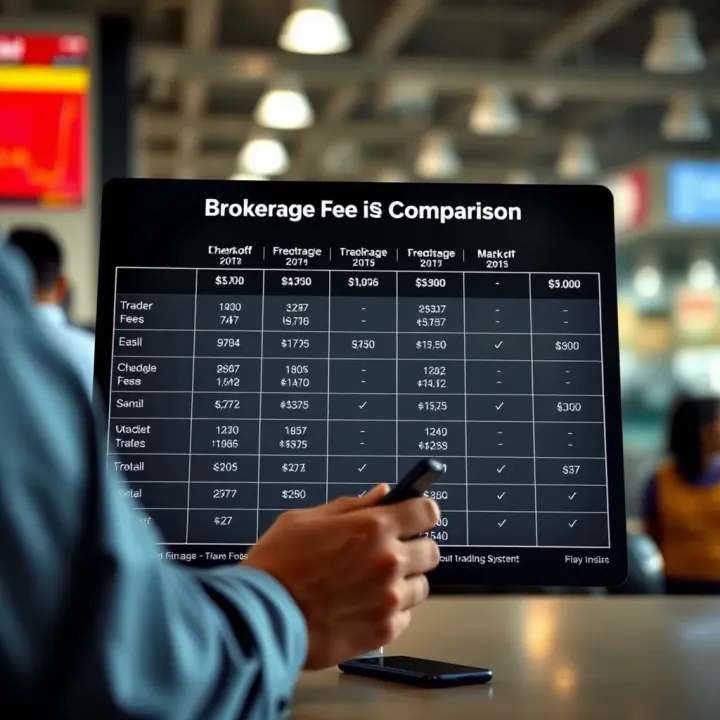
When picking a low brokerage option trading app in India, understanding how brokerage charges stack up can save you a bunch of money over time. Since every app has its own fee structure, a closer look helps traders spot the best fit for their style and volume. It isn’t just about the headline brokerage rate — hidden costs and fee models often shape the real impact on your wallet.
Take Zerodha, for example, which charges a flat ₹20 or 0.03% (whichever is lower) per executed order for options, and Upstox follows a largely similar approach. On the other hand, some older players might still have percentage-based fees that escalate with bigger trades. So knowing what you might end up paying per trade, and how it totals up monthly, is key.
By comparing brokerage charges across apps, traders can:
Identify whether a flat fee or percentage model suits their trading habits
Avoid surprises from hidden charges like platform fees or minimum order amounts
Calculate expected monthly costs based on trade frequency and size
Ultimately, this section is about giving you the tools to cut through the noise and zero in on what really affects your trade profits.
Flat fee brokerage is straightforward: pay a fixed amount per trade regardless of size, like the ₹20 per order charges from 5Paisa or Zerodha. This usually suits active traders or those dealing with larger volumes since fees don’t scale with trade size. For someone flipping options contracts multiple times a day, flat fees can mean huge savings.
Percentage-based fees, however, charge a cut of the trade value. This might be better for smaller or less frequent traders, where paying a flat ₹20 per trade might be too steep. For example, a ₹500 trade with a 0.1% brokerage means you pay just 50 paise, far less than a flat fee.
To decide, a trader should tally up their average trade size and frequency. If your trades tend to be small, percentage brokerage could keep costs low; if you’re trading big chunks or often, flat fees generally save cash.
Neither model is completely free of surprises. Some flat fee brokers might tack on platform usage fees or ease out low minimum order values that add up. Look out for monthly subscription fees or charges on order cancellations.
Percentage brokerage models may seem low at first glance but watch for minimum transaction fees or fees hidden in complex slabs. Sometimes, the brokerage might be advertised without including GST or SEBI charges, which can bump up final costs.
For both kinds of models, always comb through the fee breakdown including:
GST (usually 18%) on brokerage
SEBI turnover charges
Stamp duty
Transaction charges levied by exchanges
Being thorough here ensures you’re not hit by unexpected cuts that nibble away at your profits.
Small volume traders usually get pinched by flat fees since a ₹20 fee on a ₹1000 trade eats into profits heavily. For them, apps like Groww that offer low percentage brokerage might feel more wallet friendly.
Conversely, high-volume traders benefit from flat fees — even if you trade options contracts worth lakhs, paying a fixed ₹20 each time is often far cheaper than a percentage. This can mean the difference between profit and loss when trading frequently.
Knowing which camp you fall into helps steer you toward the brokerage structure that stretches your rupee the furthest.
A simple break-even calculation lets you see where one fee model overtakes another. For instance, if the flat fee is ₹20 per trade, and the percentage fee is 0.1%, then your trade value break-even is ₹20,000 (₹20 ÷ 0.1%). Trades above ₹20,000 are cheaper under flat fees; below that, percentage fees win out.
This kind of analysis isn’t just academic — it helps you avoid cost surprises and pick apps that make your trading profitable over time.
In practice, chart your typical trade sizes against fee models for apps you consider. Factor in hidden charges, too, and choose the app where your trading frequency and volumes lead to the lowest cost overall.
By understanding these nuances, you get closer to selecting an option trading app that aligns with your trading habits and keeps brokerage costs in check without compromising on tools or security.
When diving into options trading, it's tempting to focus just on the brokerage fee—after all, that’s the number flashing in bold when you place a trade. But if you’re only looking at the brokerage rates, you're missing a big part of the picture. Additional costs, including transaction charges, taxes, and margin funding expenses, can quietly eat into your profits. Understanding these hidden extras is key to getting a clearer grip on your total trading expense.
Each trade you make in India is subject to some statutory costs beyond brokerage. Goods and Services Tax (GST) at 18% applies on the brokerage and transaction charges, which means even a zero brokerage deal won't escape this levy. Then there’s SEBI turnover fees, which are charged per crore of traded value, although this tends to be quite a small amount per trade.
For example, if you buy Nifty options worth ₹5 lakh, SEBI charges about ₹10 on the transaction, but GST will add roughly ₹324 if brokerage is ₹180. Stamp duty is another piece of the puzzle—charged by the state government, but its rate varies. In Maharashtra, for instance, stamp duty on option trading is around 0.003% of the traded value. Don’t overlook this, as it can add up if you trade frequently.
These taxes and charges might seem tiny individually, but they stack up over time, especially if you’re an active trader. Take a trader switching multiple option contracts daily—those small fees balloon and can trim away significant returns. Accounting for these costs upfront leads to smarter decisions on how often to trade and which contracts to pick.
Ignoring GST and other levies is like ignoring the elephant in the room—your trading costs won’t be as low as they appear.
Options trading often involves margin trading, where brokers allow you to control larger positions than your actual capital. This leverage can magnify profits, but it also affects your costs. Higher margin requirements mean more capital tied up, potentially increasing opportunity costs.
Additionally, some brokers demand upfront margin, which can vary depending on volatility and the underlying asset. For instance, during high market turbulence, margin rules tighten, requiring you to park more funds before trading. This can be a hidden hurdle for traders cutting it close on available capital.
If you borrow funds or trade on margin extended by your broker, be prepared for interest charges. Rates often hover around 10-15% annually, depending on the broker and customer profile. Even if you hold a position for a few days, the interest can add a noticeable sum.
For example, if you use ₹1 lakh on margin at a 12% annual interest rate and hold the position for 10 days, the cost is roughly ₹330. Multiply that by multiple trades, and you quickly see why margin borrowing costs must factor into your net returns.
Understanding additional costs like GST, SEBI fees, stamp duty, and margin interest is vital. These expenses blur the simple picture of "low brokerage" and influence which option trading app truly offers the best deal for your style. Always calculate the all-in cost before you commit to a platform—sometimes a slightly higher brokerage app with fewer hidden charges and better margin terms can be the smarter choice in the long run.
When picking a low brokerage option trading app in India, security and regulation shouldn't be an afterthought. These factors not only protect your money but also ensure you’re trading on a platform that follows the law and industry best practices. Think of it this way — it’s like choosing to buy something from a trusted shop rather than a shady street stall. Given how much sensitive info these apps handle, it’s crucial they have solid safeguards in place.
All brokers offering option trading apps in India must comply with SEBI (Securities and Exchange Board of India) regulations. These rules cover everything from how brokers handle client funds to maintaining transparent order executions. Compliance means brokers need to be proper members of recognized stock exchanges like NSE or BSE and should regularly submit audit reports. For you as a trader, it ensures that the broker isn’t just flying by the seat of their pants but follows standard operating procedures.
For instance, Zerodha and Upstox, two popular brokers, are SEBI registered and adhere to stipulated norms, giving traders peace of mind that their trades are handled fairly and legally. If a trading app isn’t SEBI-registered, it’s a clear red flag — proceed with caution or better avoid it altogether.
SEBI lays down clear investor protection rules to guard against malpractices. These include segregation of client funds from the broker’s own money, ensuring no misuse is possible. Also, SEBI mandates brokers to have grievance redressal mechanisms and participate in the Investor Protection Fund (IPF). The IPF works like an insurance safety net, compensating investors in case of broker default.
A practical example is when you deposit money to start option trading—regulations require brokers to hold these funds separately to avoid any mix-up with company earnings. This setup minimizes risks for traders, making sure your funds remain intact even if the broker faces financial issues.
Data security goes hand in hand with regulatory compliance but deserves its own spotlight. Trading apps collect highly sensitive data — bank details, personal identification, trading history. Therefore, strong encryption methods, such as AES-256, should be standard to keep information scrambled and unreadable to unauthorized eyes.
Multi-factor authentication (MFA) is another essential layer. Imagine receiving a trade confirmation on your phone — fast, but only if you’re the real user behind the account. Apps like Angel Broking employ MFA via OTP or biometrics, stopping fraudsters dead in their tracks.
Hackers and fraudsters often target trading platforms hoping to steal credentials or manipulate trades. To counter this, secure apps continuously monitor for suspicious activities and have safeguards like session timeouts, IP blacklists, and alerts for unusual login locations.
An example: say you usually log in from Mumbai but suddenly there’s an access attempt from a foreign country. A secure app would immediately flag this and either block access or prompt you to verify. This kind of vigilance protects your account from unauthorized use and financial loss.
Before moving money or placing trades, always double-check if your app has proper SEBI registration, clear investor protection policies, and solid data security steps in place. It’s better to be thorough upfront than to nurse a loss later.
Choosing the right option trading app goes beyond just comparing brokerage rates. It’s equally important to evaluate the app’s overall usability, reliability, and support before making a switch. Jumping from one app to another without proper due diligence can lead to unexpected hassles, like missed trades or confusing interfaces, which can cost both time and money. So this section helps traders approach the switch methodically, ensuring the new platform suits their trading style and provides a smooth experience.
Testing app features without risk: Many trading apps these days, like Zerodha Kite or Upstox Pro, offer demo accounts that mimic real-market conditions but won’t touch your actual funds. Using these allows traders to test order placement, navigation, and even different option strategies without fear of losing money. For instance, before switching to 5Paisa App for its flat brokerage, a trader can execute several option trades in the demo mode to check for order speed and reliability.
Learning tools available: Demo accounts often come with educational features such as tutorials, interactive charts, and option payoff calculators. These tools familiarize users with option Greeks, volatility impacts, and how different orders execute. If you’re a beginner or testing a new strategy, these resources help build confidence while exploring the app’s interface and functionalities. A good example is Angel Broking's app, which integrates learning modules alongside demo trading, boosting traders’ comfort level before committing real money.
Importance of responsive support: When you’re dealing with real money, even a minor technical glitch or misunderstanding could cause major losses. Responsive customer support can quickly resolve issues like failed order execution, login problems, or fund transfer delays. Opt for platforms known for their helpdesk efficiency and multiple support channels — phone, chat, and email. Upstox, for example, is praised for timely responses during market hours, which reassures traders during hectic times.
Access to market insights and tutorials: Trading apps that provide ongoing educational content and market analysis empower traders to make smarter decisions. Features like daily option strategies, risk management tips, and market outlook videos help users stay updated and improve their trading skills. Zerodha, for instance, has an excellent Knowledge Hub packed with articles, webinars, and community support — a real boon for those navigating volatile option markets.
Switching trading platforms is not just about saving on brokerage, but ensuring that your new app is reliable, intuitive, and backed by solid support and educational resources to keep you ahead of the curve.
By carefully trying out apps in demo mode and checking the quality of customer support and resources offered, traders can confidently transition to a new low brokerage option trading app that fits their needs perfectly.
When diving into option trading using low brokerage apps, it’s no secret that certain hurdles can trip up even the most seasoned traders. From unexpected charges to app glitches at the worst moments, these challenges can erode gains or frustrate users. Understanding these pitfalls in advance helps traders stay on top of their game and avoid unpleasant surprises that eat into profits or disrupt trading strategies.
One of the sneakiest issues traders face is hidden charges buried deep within the app’s terms and conditions. It’s easy to get lured by low headline brokerage fees, only to find out about additional costs like platform usage fees, non-trading transaction fees, or charges for access to advanced tools. For example, a popular app may advertise zero brokerage on options, but levy hefty fees for order modifications or delays.
To steer clear of these traps, always go beyond the catchy fee ads. Take time to read the detailed fee schedule and user agreements. Watch for words like "additional charges," "maintenance fees," or "minimum monthly fees." Doing this upfront helps you avoid apps that nickel-and-dime small but frequent payments that add up fast.
Brokerage platforms often communicate updates about fee structures or new charges via email or app notifications. Traders who miss these updates can suddenly find their costs climbing without warning. For instance, Zerodha once adjusted some plan features quietly, leading to confusion among less vigilant customers.
Stay proactive by regularly checking your registered email and app notification center. Setting up a filter to catch broker emails or enabling push notifications ensures you won’t miss out on important fee changes. It’s a small step that keeps your trading expenses predictable.
Timing is everything in option trading. When app technical glitches happen—such as slow loading, crashes, or delayed order execution—the consequences can be costly. Imagine trying to exit a losing position, but your order fails to execute because the app is down or lagging. This delay can wipe out profits or even cause bigger losses.
Reliable app performance is non-negotiable for active traders. Look for apps with positive reviews concerning uptime and speed. Some traders use analytics tools like Downdetector to track app issues in real time. Choosing platforms with robust server infrastructure helps minimize risks tied to technical failures.
Even the most stable apps face outages sometimes. Having a backup plan is a must. One simple option is keeping alternative access ready—like logging into your broker’s web platform if the mobile app fails. Another is placing contingent orders or setting alerts to act quickly once service resumes.
Also, keep in mind emergency contacts provided by the broker, such as helpline numbers that could allow manual trading or help during outages. It pays to rehearse these fallback options before you need them. Preparation keeps you nimble in choppy market moments and avoids panic-driven mistakes.
Staying alert to hidden fees and tech issues not only protects your wallet but also helps maintain confidence in your trading setup. In the fast-moving world of options, a little caution upfront can save big headaches later.
Getting started with options trading on a low brokerage app is more than just picking a platform. It requires a few practical steps to ensure smooth entry, minimize risks, and maximize your trading potential. These steps lay the foundation for efficient trading by taking care of regulatory compliance, linking essential accounts, and understanding how to place your trades effectively. For instance, if you're switching to an app like Zerodha Kite or Upstox Pro, knowing the initial process will save you time and confusion.
Starting off right means not only saving on brokerage but also avoiding delays and errors that can eat into your profits. It’s essential to combine the technical setup with a solid grasp of order types and basic strategies before putting real money on the line.
KYC, or Know Your Customer, is a mandatory step in the Indian financial market to verify your identity before you can trade. When opening an account with any trading app like Angel Broking or 5Paisa, you’ll need to provide documents such as a PAN card, Aadhaar card, and proof of address. This process isn’t just bureaucratic red tape—it’s designed to prevent fraud and ensure that you’re a legitimate trader.
Apps now streamline KYC with e-KYC, allowing you to complete verification in minutes using Aadhaar OTP or video-based verification, sparing you a trip to the office. This quick setup means you can start trading without wasting days waiting around. Without completing KYC, the app simply won’t let you access trading features.
Next up is linking your bank account to your trading app. This step ensures smooth transfers when depositing funds for trading or receiving money when you sell assets. Most apps support instant or T+2 settlement transfers, allowing money to flow quickly in and out.
For example, linking your HDFC or ICICI bank account to Upstox allows for quicker fund transfers directly from your bank’s net banking portal or UPI. This connectivity eliminates delays and makes managing your trading capital hassle-free. Remember: verifying the bank account with a canceled cheque or net banking login safeguards your funds and prevents errors.
When you place your first option trade, understanding order types is a must. The common order types include:
Market Order: Buy or sell the option immediately at the best available price.
Limit Order: Specify a price at which you want to buy or sell; the order executes only if the market reaches that price.
Stop Loss Order: Automatically sells or buys to limit losses if a price drops or rises past a certain point.
For example, if you want to buy Nifty call options but don’t want to pay beyond a certain price, you place a limit order. However, if you believe the option’s price will rise fast, a market order saves time by executing immediately. This knowledge helps you avoid costly mistakes and manage trades based on your risk tolerance.
Starting with simple strategies helps build confidence without getting overwhelmed. A couple of easy-to-understand approaches are:
Buying Call or Put Options: The simplest way to bet on the rise (call) or fall (put) of an underlying asset.
Covered Call: Owning the stock while selling call options to generate income.
Imagine you expect Tata Motors' stock to rise. Buying a call option gives you a leveraged way to benefit from that move without shelling out the full share price upfront. This foundation helps you gradually explore more complex strategies like spreads as you grow comfortable.
Starting smart by completing all regulatory steps and understanding how to place orders gives you a smoother entry into options trading on low brokerage apps, saving money and avoiding headaches down the road.
These practical steps bring order to what might seem a bit daunting initially but set you up for smarter, cheaper trades.
The landscape of option trading apps in India is shifting rapidly as technology advances and the market grows more competitive. Keeping an eye on future trends can help traders stay ahead and choose platforms that not only save money on brokerage but also offer improved experience and potential for better returns. Apps aren’t just about low fees anymore; they’re about smart tools and features that make trading simpler and more effective.
In recent years, we've seen a flood of new players entering the Indian trading app market. This surge means brokers are scrambling to offer more attractive brokerage rates to grab user attention. New entrants like 5Paisa, Groww, and even some regional firms are pushing traditional players like Zerodha and Angel Broking to rethink their pricing. This heightened competition benefits traders directly with lower fees and more flexible plans.
But it's not just about cutting costs blindly. Many apps now provide tiered brokerage models, where heavy traders might get better rates or flat fees for high volume. This approach helps traders align their trading style with cost savings. When choosing an app, look beyond headline brokerage fees—understand how the structure fits your trading frequency and size.
Another key aspect is how these new platforms innovate in pricing to attract beginners and experienced traders alike. Some apps integrate free learning courses or waive charges on specific trades, effectively lowering your total cost.
Gone are the days when brokerage was strictly percentage-based or flat fees. We're seeing hybrid models that combine both, sometimes with volume discounts or subscription plans. For example, platforms might offer a monthly subscription granting unlimited option trades at a fixed cost, like Upstox’s turbo plans. This can be a game-changer for frequent traders by capping their expenses upfront.
Dynamic pricing based on market activity or trading patterns is another emerging idea. This means brokerage fees might fluctuate slightly depending on liquidity or when you trade. Such models aim to reward trades that add liquidity to the market while charging a bit more for aggressive orders.
As a trader, these evolving pricing options let you tailor your app choice closely to your trading behavior—helping avoid overpaying or getting stuck with a one-size-fits-all plan.
Modern trading apps are taking a step further by integrating artificial intelligence and automation features that streamline decision-making and execution.
Smart order routing is one of these advancements. It automatically directs your order to the most favorable exchange or price point to maximize execution quality and minimize cost. Instead of you checking multiple places or apps manually, AI selects the best venue, saving time and potentially shaving off a fraction of a percent from your trade cost.
Another big plus is personalized trading insights. Apps like Zerodha Kite and Angel Broking now use machine learning to analyze your trading patterns, portfolio, and market conditions to suggest tailored strategies or alert you to potential risks. Think of it as having a mini-analyst who flags trades you might miss or nudges you toward smarter moves without overwhelming you with data.
These AI-driven tools haven’t reached perfect form, but they already offer practical benefits, especially for traders juggling multiple option positions. Automating some of the grunt work helps you focus on strategy rather than hunting for market signals all day.
With ongoing improvements in AI and increasing competition, the future of option trading apps looks promising—not only for cutting down costs but also for making trading smarter and more efficient.
In summary, staying informed about how brokerage models and technology are evolving lets you pick an option trading app in India that fits your pocket and your style. Keep an eye on new entrants shaking up the market, experiment with different pricing plans, and tap into AI features to get the most bang for your buck.
Find the best low brokerage trading apps in India 📱 Compare features, benefits, and costs to save money and trade smartly with ease. 📊💸

Discover key features and smart tips for choosing the best low brokerage trading app in India 📱💰. Compare fees, apps, and regulations for smart investing!
Find the lowest brokerage trading app in India 🤑 Compare fees, features, and services to pick an app that cuts costs and suits your investing style perfectly 📈
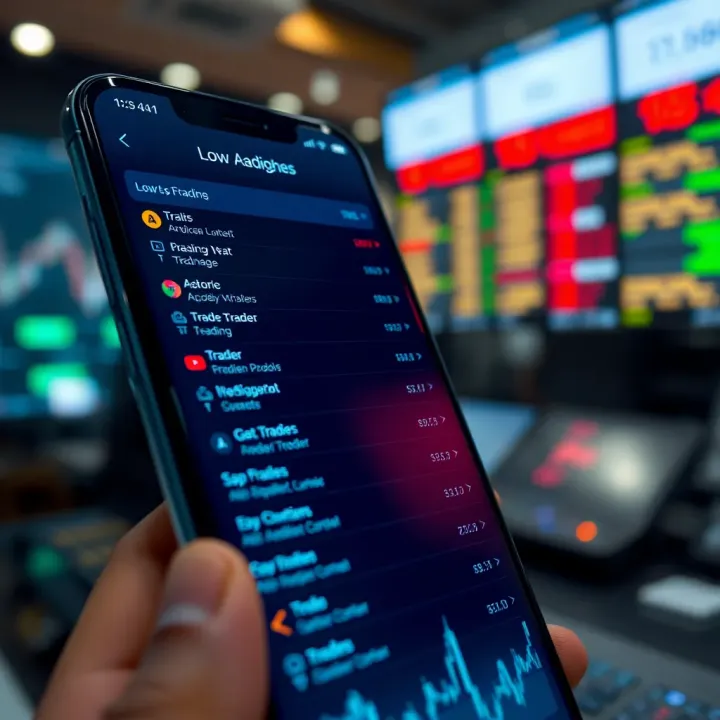
Explore popular low-brokerage trading apps in India 🛠️ Compare features, pros & cons, impact on investors & tips for choosing the right platform 📈
Based on 9 reviews