

Learn Candlestick Patterns with Helpful PDF Guides
Learn candlestick patterns easily with practical PDF resources 📊. Ideal for Indian traders looking to boost chart skills and trading confidence! 📈
Edited By
Emma Collins
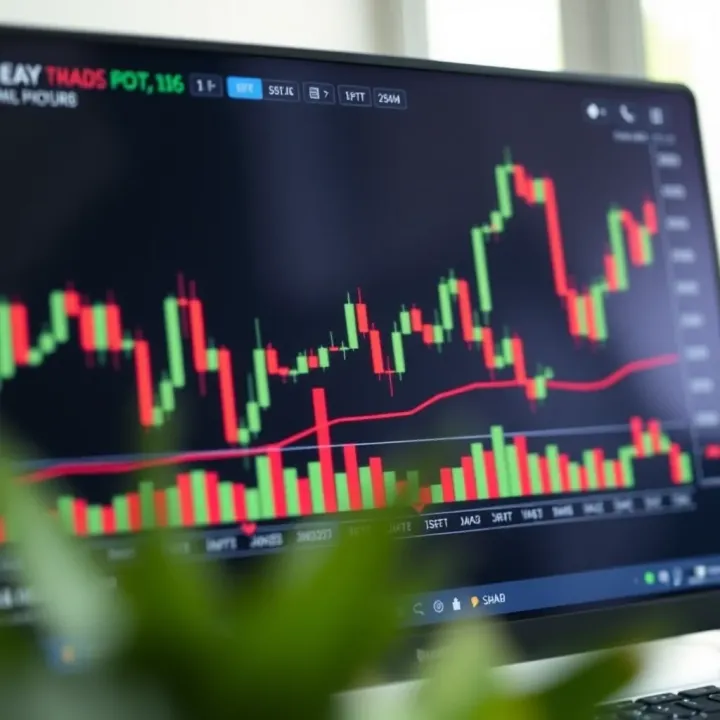
Understanding candlestick patterns plays a big role in reading stock charts effectively. These patterns give traders and investors clues about the market's possible direction, helping them make more informed decisions. Unlike simple line charts, candlestick charts show opening, closing, high, and low prices for a given time frame, giving a fuller picture of price movements.
Candlestick patterns are formed by one or more candles, and each pattern has a specific significance based on market psychology. For example, a Hammer pattern often signals a potential trend reversal after a downtrend, while a Doji indicates indecision in the market. Recognising these patterns early can offer traders an edge in predicting future price action.

For Indian traders especially, mastering these patterns can improve the timing of buying or selling stocks, helping to avoid common pitfalls affected by volatile markets.
When you look for resources, PDFs often help as they provide detailed diagrams and clear examples to study. Many contain annotated charts on stocks from Indian exchanges like the NSE (National Stock Exchange) or the BSE (Bombay Stock Exchange), making the learning process more relevant. PDFs can also be downloaded for offline practice, which is beneficial given internet connectivity constraints in some areas.
By focusing on both basic patterns (like Bullish Engulfing or Shooting Star) and more complex ones (such as Three White Soldiers or Evening Star), you can build a solid foundation and expand trading strategies. These patterns don't guarantee market movements but combined with volume analysis and other technical indicators, they form a powerful toolkit.
In this article, you will find:
Clear explanations of key candlestick patterns used in Indian markets
Practical examples with sample charts
Tips on interpreting patterns alongside other indicators
Guidance on reliable PDF resources for further study
This approach helps bridge theory and practice, enabling you to apply candle pattern analysis to your trading or investment activities with confidence.
Understanding candlestick charts is fundamental for anyone involved in trading or investing. These charts visually represent price movements over a specific period and help traders swiftly grasp market dynamics. Unlike plain line charts, candlesticks convey more detailed information, which assists in making better decisions.
Each candlestick consists of a 'body' and shadows (also called wicks). The body shows the price range between the opening and closing in the given time frame, be it minutes, hours, or days. A filled or coloured body indicates a drop in price, while a hollow or differently coloured body signals a rise. Shadows extend from the body and indicate the high and low prices during the same period.
This basic structure provides a clear snapshot: the body tells you where prices started and ended, while shadows reveal the extremes. For example, in a daily chart of a stock like Reliance Industries, a long lower shadow with a small body suggests buyers stepped in after a dip, signalling possible support.
The open price is where the trading period began, and the close price shows where it ended. High and low prices mark the extremes reached during that period. Together, these prices lay the foundation for analysing market behaviour. For instance, if the close is significantly higher than the open with minimal shadows, it means buyers dominated.
Traders watching Infosys may notice a candlestick where the high price is far above the body, but the close is near the open; this hints at selling pressure at the higher range. Such details help identify momentum and potential reversals.
Candlestick patterns reflect the emotions of market participants — fear, greed, hesitation, or confidence. Specific formations can indicate whether bulls (buyers) or bears (sellers) held sway during the period. For example, a hammer pattern typically shows that despite selling pressure, buyers pushed prices back up, suggesting growing confidence.
In the Indian market, recognising these signals in stocks like Tata Motors or sector ETFs can offer insights into traders’ collective mindset, guiding when to enter or exit trades.
Beyond sentiment, candlestick patterns serve as practical tools for forecasting future price action. Patterns like engulfing candles or morning stars often signal trend reversals or continuations. When used alongside volume data, these patterns allow traders to anticipate moves rather than just react.
For example, a bullish engulfing pattern on the Nifty 50 after a downtrend may hint at a fresh uptrend starting. This predictive ability makes candlestick charts indispensable for both short-term traders and long-term investors.
Candlestick charts transform raw price data into actionable insights, combining clarity with depth to empower market participants in India’s dynamic trading environment.
Candlestick patterns offer quick visual cues about potential market movements. Knowing these patterns helps traders and investors read price charts more effectively, bridging raw data with actionable insight. Recognising common patterns can support better timing for buying or selling, reducing guesswork in volatile markets.
A Doji forms when the opening and closing prices are nearly the same, resulting in a very thin or no real body. This pattern signals indecision among traders. For example, after a strong uptrend in Reliance Industries shares, spotting a Doji could indicate that buyers and sellers are temporarily balanced, hinting at a possible reversal or consolidation.
While a Doji alone doesn't guarantee change, it urges traders to be cautious and watch following candles closely. In practice, combining it with volume data or other indicators improves the reliability of the signal.
Both look similar: a small real body near the top of the candle’s range with a long lower shadow. A Hammer appears after a downtrend and suggests a potential bullish reversal. Suppose Tata Motors stock dips sharply but forms a hammer candle; this can indicate that buyers are starting to step in.
In contrast, a Hanging Man occurs after an uptrend and points to a possible bearish reversal. Seeing a hanging man in HDFC Bank shares after a rally might signal that sellers are gaining strength. Confirmation with the next candles is essential before acting on these patterns.
The Spinning Top has a small body with long upper and lower shadows, indicating market indecision. For instance, during NSE’s index fluctuations, a Spinning Top may reflect uncertainty as traders weigh short-term positives against negatives.
This pattern itself doesn’t imply direction but highlights a potential pause or consolidation. Traders often look for subsequent confirmation like a strong bullish or bearish candle before making decisions.
Engulfing patterns occur when one candle’s body completely covers the previous candle's body. In a Bullish Engulfing, a small bearish candle is followed by a larger bullish candle. For example, if Infosys shares are falling and then form a bullish engulfing, it’s a strong clue buyers have taken control, suggesting a reversal.
The Bearish Engulfing is the reverse and indicates sellers might gain the upper hand after an uptrend. These patterns offer clearer signals compared to single candles but still benefit from using volume or support and resistance context.
These three-candle patterns mark strong reversals. The Morning Star indicates a bullish reversal after a downtrend and consists of a long bearish candle, a small-bodied candle (star) showing indecision, and then a long bullish candle. For example, a Morning Star pattern in TCS stock after a dip may hint that the decline is about to end.
The Evening Star signals bearish reversal with a similar structure but after an uptrend. Seeing this in ICICI Bank shares might suggest caution for buyers as prices could turn down.
The Three White Soldiers comprise three consecutive bullish candles with higher closes, signalling strong and steady buying pressure. For instance, this pattern in the Nifty 50 index suggests broad market optimism.
Conversely, Three Black Crows show three consecutive bearish candles with lower closes, pointing to sustained selling pressure. Such a pattern in a stock like Axis Bank might warn of a downtrend.
Recognising these common candlestick patterns, especially with confirmation from volume or technical indicators, equips traders with powerful tools to anticipate market moves and manage risks wisely.
This knowledge profoundly improves decision-making, especially when combined with other forms of analysis in Indian market conditions.
Interpreting candlestick patterns is not just about recognising shapes — it’s about reading the story behind price movements and making informed trading decisions. This section emphasises how traders can apply these patterns alongside other indicators and market context to confirm trends and spot reversals, while also managing risk effectively.
Volume adds an extra layer of confidence to candlestick patterns. For example, a bullish engulfing pattern appearing with high trading volume confirms stronger buying interest, increasing the chances that the trend will continue upward. Conversely, if volume is low during a supposed reversal pattern like a morning star, it may signal weak conviction and the possibility of a false signal.
Besides volume, oscillators like the Relative Strength Index (RSI) or Moving Average Convergence Divergence (MACD) can help verify what candlesticks are indicating. If a hammer candlestick aligns with an RSI level below 30 (oversold region), this combination strengthens the likelihood of a price bounce. Traders should ideally use these tools together rather than rely on candlestick patterns alone.
Candlestick patterns sometimes mislead, especially in volatile conditions common to Indian markets. False signals can cause premature entries or exits, leading to losses. To avoid this, look for confirmation over multiple candles or through additional signals.
For instance, don’t act on a single doji indicating indecision without waiting to see if subsequent candles confirm a clear trend direction. Also, beware of patterns forming near major holidays or before quarterly earnings when price action may behave erratically. Patience and cross-checking help reduce the chances of falling for traps.
Support and resistance levels act as natural places where prices tend to react. When a reversal candlestick pattern appears near a strong support level on a Sensex stock, it offers a clearer entry point with limited downside risk.
Conversely, spotting a bearish engulfing pattern near a resistance level can signal a good exit point or an opportunity to short-sell. Use candlestick patterns to fine-tune the timing for entries and exits instead of guessing solely on price breakout or breakdown.
Proper risk management is vital when using candlestick signals. Always place stop-loss orders slightly beyond support or resistance levels to protect against sudden spikes or market noise.
For example, after identifying a bullish hammer near a support zone, setting a stop-loss a few points below the support can limit losses if the market moves against you. Position sizing should also consider volatility, especially with Indian stocks known for sharp intraday moves.
Combining candlestick analysis with volume, indicators, support-resistance, and smart risk controls helps traders improve accuracy and protect capital in uncertain markets.
This balanced approach helps Indian traders adopt candlestick patterns effectively, making smarter trading decisions rather than relying on patterns in isolation.
Candlestick pattern PDFs serve as handy tools for traders and investors who want to study or quickly revise key charting techniques. These guides pack essential information into well-organised formats, making it easier to grasp concepts and apply them effectively in the market. For busy professionals, having a reliable reference that can be accessed offline is particularly valuable when internet connectivity isn't stable.
PDFs offer quick access without needing an internet connection, which is crucial for many traders operating from tier-2 or tier-3 cities where broadband may be unreliable. You can carry the PDF on your mobile or laptop and refer to it anytime, be it before market hours or while travelling. This on-the-go reference ability helps save time during intense trading sessions when every minute counts.
Well-designed candlestick PDFs arrange patterns systematically, often grouping single and multiple candlestick formations with clear examples and visuals. Illustrations alongside descriptions help decode how each pattern looks on a chart and what signals it sends. This visual aid is not just convenient but reinforces learning, allowing traders to quicker identify these patterns on live charts, like Sensex or Nifty 50.
Resources from established sites like Zerodha Varsity or NSE India are generally trustworthy and regularly updated. These platforms provide PDFs that explain trading tools, including candlestick patterns, tailored to the Indian market context. Downloading guides directly from such sources reduces the risk of outdated or misleading content, helping traders make more informed decisions.
Brokerages like Angel Broking and educational portals such as Elearnmarkets offer comprehensive learning material, including downloadable PDFs. Their content often blends technical analysis with practical scenarios drawn from Indian stock markets. Using these PDFs can enhance a trader's understanding by connecting theory with real trading examples, ensuring that the learning is applicable and not purely academic.
Keeping a credible, easy-to-use PDF on candlestick patterns allows you to strengthen your technical analysis skills practically and flexibly, crucial in the unpredictable world of Indian stock markets.
This approach to learning helps bridge gaps between theory and trading reality, making PDF guides a valuable companion for traders at all levels.
Candlestick analysis holds special importance for Indian traders and investors due to the unique traits of the country’s stock markets. Applying these patterns to Indian stocks not only helps in reading price actions but also guides practical decision-making amidst volatile market conditions. By understanding how common patterns behave with Indian indices and sectors, you can better gauge entry and exit points tailored for local trading.
The Sensex and Nifty 50 represent the pulse of the Indian stock market. Studying candlestick patterns on these indices offers clear insights into broad market trends. For instance, a morning star pattern forming on the Nifty 50 after a sharp dip can signal a potential reversal, encouraging traders to consider fresh long positions. Likewise, bearish engulfing patterns on the Sensex during overbought conditions might hint at short-term corrections.
Focusing on these indices is practical, as they reflect aggregated movements of leading companies across sectors. Pattern recognition here is often more reliable due to higher liquidity and less erratic price swings compared to small-cap stocks.
Each sector in the Indian market has its rhythm and responding patterns. For example, the IT sector may show bullish engulfing patterns leading up to quarterly earnings when optimism runs high, while commodity-related sectors like metals can demonstrate hammer or hanging man patterns aligning with global supply-demand shifts.
Applying candlestick analysis sector-wise helps traders differentiate between genuine price signals and noise. For instance, during festive seasons, consumer discretionary stocks often reflect pattern-driven rallies. Recognising these nuances improves trading accuracy by adapting strategies to sector behaviours rather than applying a uniform approach across the board.
Indian markets can swing sharply on domestic events like RBI policy changes, political announcements, or global cues affecting rupee stability. Such volatility sometimes leads to false or exaggerated candlestick signals. For example, a shooting star pattern might appear frequently in highly volatile sessions but may not always result in price drops.
Traders should combine candlestick patterns with volume analysis and other technical tools to avoid misleading calls. Using stop-loss orders aligned with pattern confirmations helps manage risks effectively during volatile periods.
The trading window of Indian markets, typically 9:15 am to 3:30 pm IST, affects pattern formation compared to global markets that trade longer hours. Moreover, pre-market and post-market activities in India are limited, occasionally delaying the reflection of overnight global news in price action.
Because of this, intraday patterns might have different reliability. For example, an engulfing pattern early in the day requires confirmation in later hours before acting decisively. Traders must factor in these timing constraints and avoid snap judgements based on incomplete candle formations at opening or closing sessions.
Paying close attention to Indian market specifics sharpens your ability to apply candlestick analysis effectively. Tailoring pattern recognition to local stocks, respecting sector behaviour, and managing volatility can significantly improve trading outcomes.
By keeping these aspects in mind, you enhance your understanding of how candlestick patterns work in the Indian context, paving the way for smarter, more confident trading decisions.
Learn candlestick patterns easily with practical PDF resources 📊. Ideal for Indian traders looking to boost chart skills and trading confidence! 📈

📈 Discover popular candlestick patterns in Hindi for free! Learn bullish & bearish signals with useful PDFs to boost your stock trading skills effectively.

📈 Explore key trading chart patterns like head and shoulders, double tops, triangles, flags & pennants. Learn to spot reversals & continuations for smarter market moves.

📈 Learn key candlestick patterns with real examples to read price movements effectively. Improve your trading decisions using this practical guide designed for Indian traders.
Based on 12 reviews