
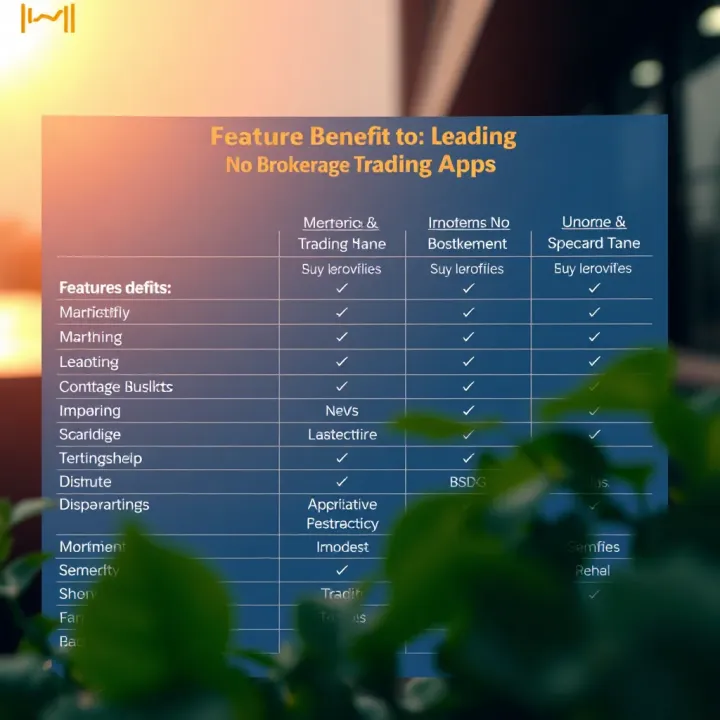
No Brokerage Trading Apps in India: What Investors Should Know
Discover no brokerage trading apps in India 📱: features, pros & cons, cost details, top choices, and smart tips every investor should know before trading.
Edited By
Thomas Green
Brokerage-free trading apps in India have transformed the way investors and traders participate in the stock market. Unlike traditional brokerages charging fees per trade, these apps allow you to buy and sell shares without paying brokerage commissions, slashing overall transaction costs. This shift is especially meaningful for small and frequent traders where brokerage charges can eat into profits significantly.
Many popular apps such as Zerodha's Kite, Upstox Pro, and Groww offer zero brokerage for equity delivery trades, while still levying minimal fees for intraday and derivatives trading. Some apps even provide zero brokerage across all segments with a fixed monthly or annual subscription, giving investors more predictability in costs.
For investors in India, brokerage-free trading can mean saving thousands in costs each year, but it’s not without some nuances. Understanding how these apps operate, their limits, and regulatory safeguards is key before committing your funds.
These apps typically offset zero brokerage by earning revenue from other channels like:
Small fees on derivatives or intraday trades
Charges on mutual fund transactions or digital gold purchases
Interest earned on funds held in the trading account
Premium subscription plans with added features
This helps them maintain sustainable business models while reducing entry barriers for new investors.
Cost Savings: No brokerage means a lower breakeven point and better net returns.
Access and Convenience: Apps simplify market access with easy KYC and integrated payment options.
Increased Trading Frequency: Low costs encourage investors to trade more actively if desired.
However, not all apps provide identical features. Some may lack advanced charting tools, comprehensive research, or timely customer support. It’s essential to balance low costs with platform usability and security.
Hidden Fees: Charges like deposit/withdrawal fees or GST on services can add up.
Limited Trading Instruments: Some zero-brokerage models restrict access to certain segments.
Data Privacy & Security: Ensure the app follows RBI and SEBI regulations to protect your information.
Choosing the right brokerage-free trading app requires matching their offerings with your individual trading needs, risk appetite, and comfort with technology. The following sections will help unpack these aspects further with practical tips and comparisons.
Understanding brokerage-free trading helps investors grasp how trading costs impact their overall returns. In India, brokerage fees traditionally represented a fixed or percentage charge per trade levied by brokers for executing buy or sell orders on the stock exchange. These charges could add up significantly if you trade frequently or in small amounts.
In brokerage-free trading, platforms waive these fees on specific trades or instruments, making it cheaper to enter and exit positions. Instead of entirely free services, brokers may use alternative revenue like charges on premium services, subscription fees, or margins on mutual funds. This model benefits active retail investors by allowing more trades without worrying about eroding profits through high brokerage.
Brokers still incur costs in processing trades, and regulatory fees or taxes set by exchanges and SEBI (Securities and Exchange Board of India) apply even when brokerage is free.
Some charges may still apply, including:
Demat account maintenance charges: The Depository Participant charges a yearly fee for holding shares in electronic form.
Transaction charges: These include Securities Transaction Tax (STT), goods and services tax (GST), stamp duty, and exchange fees.
Call and trade fees or SMS charges: Sometimes, offline or non-standard methods attract small fees.
Knowing which fees apply helps investors avoid surprises on their statements, even on brokerage-free apps.
Retail participation in Indian equity markets has surged in recent years, partly because brokerage-free models lower entry barriers. New investors, especially young first-timers, find it less intimidating to start with zero brokerage, which makes small investments more viable.
Historically, brokers charged flat rates or percentages that discouraged frequent trades. Over time, technology-driven platforms like Zerodha introduced flat or zero brokerage on equity delivery trades and introduced innovative revenue streams. This shift expanded access, prompting larger volumes on exchanges such as the NSE (National Stock Exchange).
Investor behaviour reflects these changes. Many traders now prefer apps that offer intuitive interfaces and no brokerage to experiment and learn without high costs. However, while more participation is good, it has also brought challenges with overtrading and need for better investor education.
The Indian equity market itself has seen steady growth with rising retail interest, helped by low-cost models. Platforms focusing on low charges appeal greatly to millennials and tier-2 city investors, encouraging savings and wealth creation through direct equity and mutual funds.
Overall, understanding brokerage-free trading clarifies how these apps have reshaped market access for millions, and why it matters whether a platform truly offers zero fees or just reduces some costs. This knowledge helps you pick platforms that save money without hidden traps.
Choosing the right brokerage-free trading app matters a lot for investors who want to minimise costs without compromising on features or security. India’s fintech scene has brought several apps that offer zero brokerage on equity delivery trades and other investments. These platforms not only cut down costs but also simplify investing through intuitive interfaces and quick account setups. Understanding the strengths and practical features of these apps helps investors pick the best fit for their trading style and goals.
User interface and ease of use play a significant role in attracting new investors. A cluttered or slow app can discourage users, whereas a clean, responsive design encourages more frequent trading. For example, Groww and Zerodha’s Kite app boast simple navigation and immediate access to market data without overloading with technical jargon. This helps both freshers and seasoned traders focus on decision-making rather than getting lost in complex menus.
Opening an account and completing KYC (Know Your Customer) requirements is usually seamless now, thanks to digital onboarding. Most top apps like Upstox and Zerodha allow Aadhaar-based e-KYC, where users upload documents and complete video verification on their mobiles itself. This eliminates the need to visit branches or courier papers, speeding up the process to just a few hours or sometimes minutes. Quick account opening encourages more investors to start trading without delays.
Regarding investment options, most brokerage-free apps offer exposure to stocks, mutual funds, and exchange-traded funds (ETFs). This variety helps investors diversify easily within one app. Zerodha, for instance, offers direct mutual funds through its Coin platform along with equity investments. Meanwhile, Upstox also provides commodity and currency derivatives for users who want to explore beyond equities. Such options help investors tailor their portfolios based on risk appetite and investment horizon.
Zerodha is a clear pioneer with its zero brokerage on equity delivery trades, which makes it attractive for long-term investors using the delivery route to avoid turnaround charges. Also, Zerodha’s Kite app supplies advanced charting tools and a clean interface, suiting traders who want both cost savings and technology in one place.
Upstox, while also offering zero brokerage on equity delivery trades, emphasises high-frequency traders with its fast order execution and support for margin trading. The app features customised watchlists and real-time analytics catering to intraday and swing traders. This makes it preferable for users focused on frequent trades or derivatives trading.
Groww began as a mutual fund platform but has grown into a brokerage-free trading app with strengths in an easy-to-use mobile experience. Its investor-friendly design and educational content help beginners understand stock market basics. Plus, Groww integrates a wide range of financial products, reducing the need to switch apps.
Other noteworthy players include 5Paisa and Axis Direct. 5Paisa offers flat fees for delivery and intraday, suitable for budget-conscious traders. Axis Direct, connected to Axis Bank, attracts investors looking for integrated banking and trading services, with neo-banking features emerging as additional benefits.
Picking an app depends on your trading frequency, the assets you prefer, and the tools you need. Exploring demos and user feedback is often the best way to decide.
With the expanding choice in brokerage-free apps, Indian investors today have plenty of practical options that match different trading strategies and comfort levels.
Choosing a brokerage-free trading app in India demands a clear understanding of factors beyond just zero brokerage. Many apps advertise no brokerage fees, but other costs and features can impact your overall experience and expenses. It’s essential to examine hidden charges, regulatory compliance, and security standards before making a choice.
Even though an app may not charge brokerage, you might still have to pay a small annual fee to maintain your Demat and trading accounts. For example, Zerodha charges ₹300 per year as an annual maintenance charge (AMC) for Demat accounts. Such fees might seem minor, but over several years, they add up—especially if you have multiple accounts or trade frequently. Always check the AMC details to avoid surprises.
Besides brokerage, some apps levy transaction charges such as Securities Transaction Tax (STT), GST, stamp duty, and exchange transaction fees. While these are fixed by regulators or exchanges, platforms may pass them along. Suppose you trade stocks worth ₹1 lakh regularly; paying 0.01% as stamp duty and 0.1% as STT may increase your cost. These charges vary by type of instrument too—equity delivery attracts different fees than futures or options. Compare how apps handle these charges, as even a small cost difference can affect your profitability.
Regulatory bodies like the Securities and Exchange Board of India (SEBI) impose levies including SEBI turnover fees and Goods and Services Tax (GST) on brokerage or service charges. Though these rates are low, they stack up with multiple trades. Also, recent changes in tax laws might introduce additional levies. For example, if an app adds GST on top of transaction fees, this raises your total cost. Being aware of all such levies helps you estimate the true trading expense, not just the advertised zero brokerage.
SEBI regulates all stock market activities and ensures investor protection. Any brokerage-free trading app operating in India must comply with SEBI guidelines and be registered with stock exchanges like NSE or BSE. This means your trades are monitored and settled through recognised channels. For example, a legitimate app will provide a valid SEBI registration number and adhere to rules like timely trade settlement and transparent charges. Avoid apps without such credentials, as using them exposes you to fraud risk.
Trading apps handle sensitive personal and financial data. Ensuring robust data security and transparent privacy policies is vital. Leading apps use encryption, two-factor authentication, and regular security audits to protect user information. For instance, platforms like Groww and Upstox publish their data handling practices upfront and follow privacy laws strictly. Before using an app, review their privacy policy and see if they comply with India’s data protection norms, including any recent regulations from the Ministry of Electronics and Information Technology.
No matter how secure an app is, users must practise caution. This means setting strong passwords, avoiding public Wi-Fi for trading, and regularly reviewing account statements. Phishing attacks and scams targeted at investors remain a concern. For example, receiving unsolicited messages asking for OTPs or login details should raise immediate red flags. Also, double-check transaction details before confirming trades. Vigilance on your part complements app security and protects your investments.
Always remember, zero brokerage doesn't mean zero risk or zero cost. A well-informed trader stays ahead by considering all these factors before committing to a trading app.
Understanding these hidden costs and crucial security aspects helps you choose a brokerage-free trading app that truly serves your needs without unexpected setbacks or risks.
Choosing the right brokerage-free trading app depends mainly on your personal trading habits and goals. Picking an app that matches your style can save money, reduce hassles, and improve your overall trading experience.
If you trade frequently, say multiple times a day or week, low latency and minimal per-trade charges become vital. Apps like Zerodha or Upstox often suit active traders due to their reliable execution and transparent pricing structures. On the other hand, if your trades are occasional or long-term, an app with lower account maintenance fees and easy navigation might serve you better. This approach helps avoid paying unnecessary charges for services you rarely use.
Some apps focus more on stocks and equity derivatives, while others offer mutual funds, ETFs, or even direct bonds. For instance, Groww is popular among mutual fund investors for its vast selection and simple interface. If you want to balance your portfolio with various asset classes, check that the app supports your interests. Selecting an app with the asset types you prefer directly impacts your investment flexibility.
Traders who rely on market data, technical charts, or expert insights need apps providing robust research tools. For example, Upstox offers advanced charting features useful for technical analysis, while Zerodha's Kite platform integrates helpful indicators. Moreover, good customer support comes handy during technical glitches or account queries. If you are a beginner, prioritising apps with responsive support and educational resources is a must to ease your entry into trading.
A smooth and stable mobile experience is essential as many Indian traders prefer trading on the go. An app that frequently crashes or freezes can cause missed opportunities or even losses. Test apps for speed, ease of navigation, and crash-free operation. Apps like Zerodha Kite and Groww tend to score well in these aspects.
Fast order execution directly affects trade success, especially for intraday and high-frequency traders. Delays can lead to buying or selling at unfavourable prices. Platforms backed by reliable servers and low-latency connections are preferable. For instance, Upstox claims quick order matching, which appeals to active traders.
Access to tutorials, webinars, and market analysis helps investors make informed choices. Many apps now offer inbuilt educational content—for example, Groww provides straightforward guides for mutual fund and stock investing. If you are still learning the ropes, choosing an app with such resources can boost your confidence and knowledge.
Picking the right brokerage-free trading app is not just about zero brokerage; it involves matching the platform to your trading routine, asset preferences, and support needs. Take your time to explore apps thoroughly before committing your money.
By focusing on these factors, you ensure that your trading app becomes a useful tool aligned to your financial goals rather than a source of frustration or avoidable costs.
Looking ahead, technology and regulation will shape how brokerage-free trading evolves in India. Investors need to keep an eye on these changes as they influence trading cost, access, and security. New tools and rules could make a big difference to the experience and the opportunities available.
Artificial intelligence (AI) and machine learning are increasingly becoming part of trading platforms. These technologies analyse vast amounts of market data rapidly, helping apps provide personalised recommendations, predict market trends, or detect unusual trading behaviour. For instance, some apps now offer AI-backed chat support that can quickly clarify queries or help with order placement, improving user experience significantly.
India Stack integration simplifies identity verification and enables seamless payments for trading. Linking apps with Unified Payments Interface (UPI) means investors can transfer funds instantly without juggling multiple banking apps. This convenience reduces friction and encourages more frequent trading. Moreover, the use of digital KYC processes through India Stack's e-KYC makes account opening faster and less cumbersome.
The Open Network for Digital Commerce (ONDC), initially designed for e-commerce, could indirectly enhance trading platforms too. ONDC promotes an open, interoperable network for digital transactions. If integrated with trading apps, investors might benefit from broader service offerings, such as integrated financial product marketplaces or better price discovery tools powered by a more connected network.
SEBI continuously updates rules to balance investor protection and market competitiveness. For brokerage-free trading, this means stricter oversight on hidden fees and algorithmic trading strategies to ensure fairness. Recent guidelines focus on improving transparency about charges and protecting users from excessive risk, which is crucial for inexperienced traders who rely heavily on mobile apps.
Taxation on digital trading gains is also evolving. The introduction of clarity on short-term and long-term capital gains tax and its treatment on profit from different instruments impacts trading decisions. Investors need to stay updated with current laws since platforms may not offer detailed tax calculators yet, potentially affecting net returns.
Finally, new players, including traditional banks, fintech startups, and even e-commerce giants, eye the brokerage-free trading market. Their entry could increase competition, pushing apps to improve features and lower costs. However, it might also mean more data sharing between platforms, with privacy and security becoming key concerns to watch.
Keeping track of technological and regulatory shifts is vital for investors to make well-informed choices and maximise benefits from brokerage-free trading.
In summary, the future will bring smarter, faster trading powered by tech advances and clearer regulatory frameworks. Staying aware of these developments helps you pick the right app and trade wisely in India's growing digital market.
Discover no brokerage trading apps in India 📱: features, pros & cons, cost details, top choices, and smart tips every investor should know before trading.

Explore AI trading apps in India📈 offering automated strategies, real-time analysis, personalized advice, legal insight, plus features and risks to know before investing💡
📈 Discover how to pick the best trading app in India! Explore features, security, user experience & regulatory fit to boost your investments wisely.
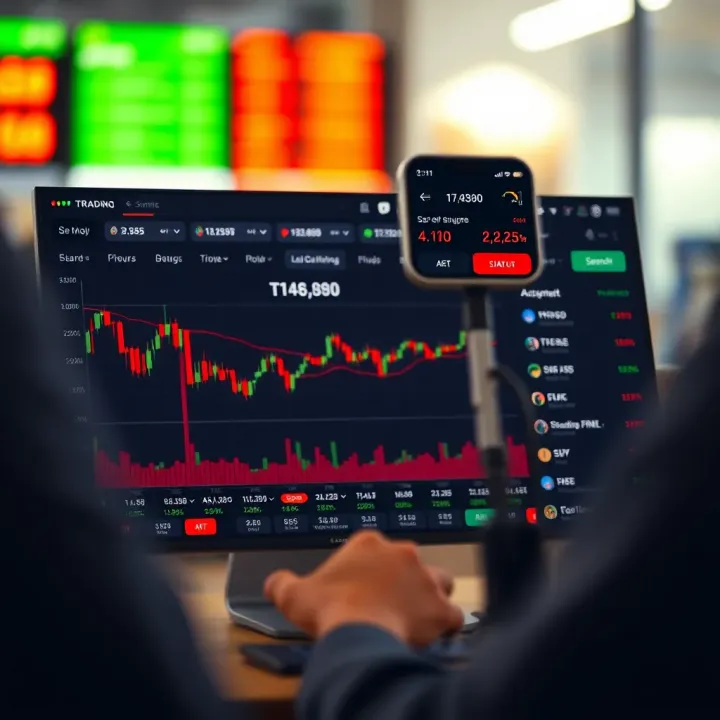
Discover top trading apps in India 📈 Explore features, security, and user experience to pick the best platform for your investing needs safely.
Based on 5 reviews