
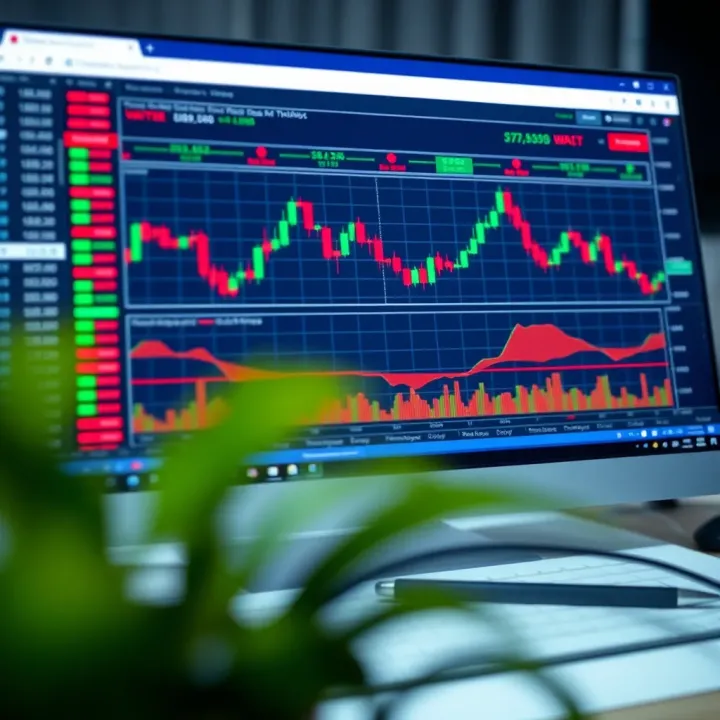
Online Paper Trading Guide for Beginners and Traders
Learn how online paper trading 📈 lets Indian traders practice stock market strategies risk-free with top platforms, helpful tips, and common traps to avoid.
Edited By
Daniel Hughes
Paper trading websites serve as vital tools for investors and traders to practise buying and selling stocks without risking actual capital. These platforms simulate real market conditions, allowing users to test strategies, understand market dynamics, and familiarise themselves with trading mechanics.
Unlike demo accounts linked to brokers only, dedicated paper trading websites often provide a wider range of instruments and analytic tools. They are particularly useful for beginners trying to grasp basics or professionals rehearsing complex trades before executing them in live markets.

Paper trading acts as a safe sandbox: it helps sharpen your skills while eliminating the anxiety that real money brings.
In India, where stock markets like BSE and NSE fluctuate rapidly based on both domestic and global factors, paper trading can be invaluable. For instance, practicing during volatile periods teaches you how to manage risk better, without the pressure of seeing your ₹50,000 portfolio shrink in real-time.
Choosing the right website depends on several factors:
User Interface: A clean, intuitive design helps you focus on learning rather than struggling with navigation.
Market Data: Real-time or near-real-time data ensures your trades reflect current market conditions.
Asset Variety: Access to stocks, derivatives, commodities, or currencies widens your learning scope.
Analytical Tools: Features such as charts, indicators, and backtesting capabilities allow deeper strategy evaluation.
By understanding these features, you will be better placed to select a platform that fits your trading goals. The rest of this guide will help you compare popular options and extract maximum value from paper trading.
This skill-building phase is often overlooked, yet it materially improves your confidence and decision-making when you move to live trading.
Understanding paper trading well can also aid students and financial analysts to sharpen forecasts and risk assessments practically instead of just theory. Whether you're in Mumbai, Bengaluru, or a smaller city, paper trading websites bridge the gap between classroom knowledge and market experience effectively.
Paper trading is a simulated form of investing where you practise buying and selling stocks or other financial assets without any real money at risk. Think of it as a test drive before you commit your hard-earned cash. Unlike real trading, where mistakes can translate into financial losses, paper trading lets you explore strategies and understand market behaviour with zero monetary pressure.
Paper trading involves using a virtual platform that mirrors live market prices and conditions but deals exclusively in virtual funds. For instance, a trader might start with a virtual balance of ₹5 lakh and execute trades as if they were dealing with actual money. These platforms display real-time stock prices, indexes, commodities, or forex, allowing users to experience the dynamics of the market without any financial exposure.
This practice helps in grasping market timing, testing technical indicators, or understanding the execution of complex orders such as stop losses or limit orders. It works like a sandbox environment where you can experiment freely and learn from errors without fear.
Using a paper trading platform offers several tangible benefits that serve both beginners and seasoned investors. First, it helps you familiarise yourself with the trading interface and tools, which can be intricate at first glance. Imagine a new trader trying out platforms like Zerodha's Kite or Upstox Pro—their user-friendly demo modes reduce the learning curve considerably.
Second, it allows you to fine-tune your trading strategies under live market conditions without risking capital. For example, if you're testing a momentum strategy during volatile market hours, paper trading reveals practical insights into risk-reward ratios and slippage.
Third, it builds trading discipline. Since trades involve no actual money, it encourages trial with various scenarios, ultimately teaching patience and emotion management, crucial traits in actual investing.
Many successful traders started by making mistakes on paper before venturing into real markets, ensuring their tactics are refined and stress-tested.
Paper trading suits various groups:
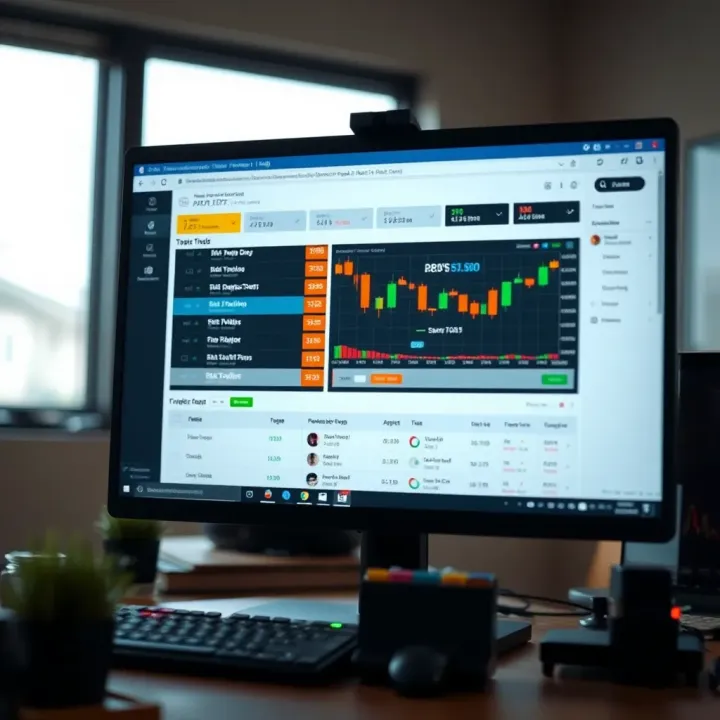
Beginners: Those new to stock markets, mutual funds, or derivatives can get hands-on experience without financial risk.
Students and Finance Enthusiasts: Individuals studying economics, finance, or commerce can translate theory into practice effectively.
Experienced Traders: Professionals testing new strategies or algorithms before real deployment can mitigate unexpected losses.
Investors Switching Platforms or Asset Classes: If you're moving from equity to commodities or currency trading, a paper trading environment eases this transition.
In the Indian context, considering volatile markets and complex brokerage fees, practising through paper trading before investing ₹1 lakh or ₹5 lakh makes good sense. It allows you to understand not just market forces but also platform workflows and order execution nuances.
Overall, understanding paper trading and its benefits equips you to choose the right platform and build confidence in your trading journey before committing real money.
Selecting the right paper trading website means looking beyond just whether it offers a virtual trading environment. The platform’s core features directly impact how effectively you can simulate real market conditions and develop your skills. Whether you're a student honing your fundamentals or a finance professional testing new strategies, these features shape your learning curve and confidence.
A top-notch paper trading website mirrors real market movements closely. This involves live or near-live market data, incorporating factors like bid-ask spreads, order execution delays, and slippage. For example, platforms that crawl historical intraday data and replay trades provide a more challenging and realistic environment. This is critical—if your trades execute instantly at expected prices without market frictions, you may get a false sense of success. Think of it like practicing cricket bowling only in a windless room; the real pitch has many variables.
The Indian market offers more than just stocks. Currency derivatives, commodities, mutual funds, and exchange-traded funds (ETFs) are equally vital trading fields. A good paper trading platform should let you experiment with these assets. For instance, platforms like Zerodha’s Varsity demo allow simulation across segments such as NSE stocks, futures, and options. This variety helps you understand asset-specific behaviours and diversify your approach before risking actual funds.
No matter how accurate the data, a cluttered or complicated interface can discourage practice. Easy navigation, clear dashboards, and intuitive order placement menus matter a lot. Some platforms offer drag-and-drop charting, real-time market scanners, and instant trade alerts that streamline decision-making. For example, Moneycontrol’s mock trading tool is appreciated for its simplicity alongside sufficient technical indicators. Useful tools also include stop-loss and take-profit option settings that reflect real trading strategies, making your practice closer to actual conditions.
Learning while practising is the goal of paper trading. Platforms providing tutorials, webinars, and articles enrich your understanding. Consider those which integrate expert analysis or community forums where you can discuss strategies with peers. Educational resources can guide you in managing market risks or interpreting complex charts. Think of this as attending coaching sessions while you individually sharpen your skills on the field.
A paper trading platform’s features aren’t just bells and whistles — they define how close your practice is to real trading, shaping your readiness when stepping into live markets.
Choosing the right balance of these elements will help you make the most of paper trading, preparing you for confident real-world investing.
Choosing the right paper trading website means weighing up different factors like platform features, cost, and the fit for your trading style. This section breaks down the main elements that make a website stand out, helping you make a well-informed choice.
A paper trading platform should feel close to the real market, offering a smooth experience without confusing the user. Features like real-time price updates, a wide range of financial instruments, and easy order execution matter. For example, platforms such as Zerodha's Varsity and Upstox Pro provide crisp interfaces with access to stocks, futures, and mutual funds, making practice trades feel genuine. Usability also covers charting tools and indicators—these need to be intuitive so traders can analyse and act quickly. Mobile app availability matters too, especially for those who want to practice on the go. If the website has cluttered menus or delays in order updates, it defeats the basic purpose of realistic practice.
While most paper trading websites offer free access, some come with fees or require a funded trading account to unlock full features. It’s important to understand this upfront to avoid surprise costs. For example, platforms like NSE’s virtual trading environment are often free, but broker-linked platforms like Angel One or ICICI Direct may ask you to have an active account before using their paper trading tools. Additionally, check if the platform limits your virtual capital or the number of trades per day—some free options restrict these features as part of their business model. For students or beginners on a budget, zero-cost platforms with generous access limits work best, while advanced users might pay for premium features.
No single paper trading website fits all. Beginners might prefer platforms with strong educational content and straightforward interfaces such as Moneycontrol’s virtual market. Seasoned traders need deeper analysis capabilities and faster execution, available in platforms like TradingView or Upstox. For finance students, simulation tools with exam-like scenarios and quizzes could be more useful to hone skills. Also, retail traders mainly wanting to trade Indian stocks should opt for Indian broker-linked simulators, which reflect NSE and BSE market dynamics. Meanwhile, investors interested in international markets might look at platforms like Interactive Brokers that offer global stocks and commodities in demo mode.
Selecting the right paper trading website depends on what you need from the practise—whether ease-of-use, cost-effectiveness, or specialised tools. A good fit accelerates learning and builds confidence without risking real money.
By comparing these aspects across platforms, you’ll spot the one that matches your goals and experience level, setting up a solid foundation for real-world trading.
Using a paper trading website well demands more than just clicking through trades. You need a structured approach to gain real value from this risk-free environment. That involves setting clear trading goals, carefully tracking your performance, and avoiding typical mistakes that can undermine your learning.
Start by defining concrete goals tailored to your experience. Instead of aiming to "make huge profits," focus on specific skills like mastering technical analysis, understanding option strategies, or managing stop-loss orders. For example, a beginner might set a goal to successfully place 10 simulated trades using limit orders within a month. This shapes your practice sessions and provides a way to measure progress. Unrealistic goals often lead to rushing and ignoring lessons, so keep them achievable and relevant to your learning curve.
Recording your trades systematically makes your paper trading experience meaningful. Use the platform’s tools or keep a dedicated spreadsheet noting trade details: entry price, exit price, position size, reason for trade, and outcome. Review this data regularly to spot patterns—maybe you exit too early or hold positions based on emotion rather than analysis. For instance, if you find that most losses came from ignoring volume trends, you’ll know exactly what to focus on next. Without tracking, it’s easy to repeat errors and miss out on the reflective learning that turns paper trading into a serious training ground.
One common trap is treating paper trades as a game rather than practice. When there’s no real money at stake, it’s tempting to take wild risks you wouldn’t on a live platform. This habit gives a false sense of skill and won’t prepare you for real market pressures. Also, paper trading often lacks the emotional intensity of real trading, so it’s crucial to simulate discipline by setting stop-loss limits and sticking to them. Another pitfall is overtrading—making too many trades without a clear strategy. That can lead to confusion and burnout. Instead, focus on quality trades that align with your goals.
Paper trading works best when treated like a dress rehearsal: serious, reflective, and goal-oriented. It’s a chance to hone skills before putting real money on the line.
By setting achievable targets, maintaining detailed records, and being mindful about how you approach trading decisions, you’ll get the most out of any paper trading website. This prepares you to handle live markets confidently and responsibly.
Moving from paper trading to real market investing is a significant step that demands careful consideration. Paper trading helps you build foundational skills without risking actual money, but live markets bring real emotions, costs, and risks that simulations cannot fully mimic. Understanding when and how to make this transition can protect your capital and set you up for long-term success.
Knowing the right moment to shift to real trading matters more than just completing a set number of paper trades. You are ready when your paper trading performance is consistently solid over different market conditions, and you can stick to your trading plan without emotional impulses. For instance, if you have practised for three months and found that you handle both successful and losing trades calmly, that’s a good sign. Also, ensure you understand brokerage platforms, order types, and basic risk management before committing real money. Remember, even experienced traders face challenges initially.
Live markets differ because real money is on the line. This introduces emotional pressure that can lead to rash decisions. To manage risk, start small – invest only what you can afford to lose without affecting your daily life. Use stop-loss orders and position sizing to limit potential losses. For example, if you have ₹1 lakh to invest, risking 1-2% per trade (₹1,000 to ₹2,000) helps control damage from a wrong call. Additionally, diversify across sectors or asset classes to avoid having your entire capital tied to one bet. Keeping a trading journal helps track mistakes and improve.
Choosing a suitable brokerage is crucial when stepping into real investing. Pick one with low charges, a user-friendly platform, and good customer support. Many Indian brokers like Zerodha, Upstox, and Groww offer easy onboarding, mobile apps, and integrated investment options from equities to mutual funds. Consider the range of financial instruments, margin facilities, and educational tools they provide. Importantly, ensure the brokerage is registered with the Securities and Exchange Board of India (SEBI) to guarantee regulatory compliance and security.
Transitioning responsibly reduces unnecessary losses and builds confidence. Treat your first real trades as an extension of your learning, not a quick way to make money.
Making the jump from paper trading to live markets is not about rushing but about ensuring readiness both technically and psychologically. By evaluating your preparedness, managing risks carefully, and selecting the right broker, you increase your chances of a smoother and more successful investment journey.
Learn how online paper trading 📈 lets Indian traders practice stock market strategies risk-free with top platforms, helpful tips, and common traps to avoid.
📈 Explore live paper trading in India! Practice real-time buy/sell without risk, refine strategies, and boost confidence in financial markets.
📈 Master intraday trading in India with this practical guide! Learn key strategies, risk management, market behavior, and effective tools for success.

Explore online forex trading in India 📈. Learn about markets, platforms, strategies, risk control, and legal tips to trade smart and safe.
Based on 9 reviews