

Legal Forex Trading Apps in India: A Practical Guide
Explore legal forex trading apps in India 🇮🇳, understand regulations, compare top platforms, and learn to trade safely with expert tips and risk management 🔍📱
Edited By
Isabella Turner
Choosing a reliable trading app in India means balancing safety, ease of use, and essential features tailored to the local market. With so many options flooding the space, it can get overwhelming to pick one that fits your investment style and complies with Indian financial regulations.
The Securities and Exchange Board of India (SEBI) sets the rules to keep trading fair and secure. A legal trading app must have SEBI approval, along with licensing from recognised bodies like the National Stock Exchange (NSE) or Bombay Stock Exchange (BSE). These approvals ensure the platform observes strict security protocols and transparency.

Besides regulation, transaction costs influence daily trading decisions. Look out for brokerage fees, GST, and other hidden charges which differ widely across apps. For example, Zerodha, one of India's largest discount brokers, charges zero brokerage for equity delivery trades but levies a small fee for intraday and F&O trades, whereas ICICI Direct offers full-service trading with higher brokerage but more extensive research support.
Security remains a top priority. Ensure the app uses two-factor authentication (2FA), data encryption, and regular audits. Apps like Upstox and Angel Broking offer robust security with biometric logins and dedicated fraud detection teams.
User experience is crucial too. The app should load fast, show real-time price updates, and let you place orders without hassle. Features like customised watchlists, technical charts, and integrated news feeds help make smarter decisions.
A legal, secure, and efficient app lets you focus on trading without worrying about data leaks, regulatory issues, or hidden costs.
To decide on the best fit, compare multiple platforms on:
Regulatory approvals and licences
Brokerage and transaction charges
Security features
User interface and extra tools
Customer support responsiveness
In the sections ahead, we'll look at top trading apps in India that meet these criteria and help you invest confidently and safely in equities, commodities, and derivatives.
Trading apps have reshaped the way Indians invest and trade in the stock market. With the rise of smartphones and better internet connectivity, these apps offer a convenient way for investors to manage their portfolios anytime, anywhere. This section highlights why understanding trading apps is essential for safe and efficient investing.
Mobile trading platforms have come a long way in India over the past decade. Once limited to desktop applications and broker-assisted calls, trading is now at your fingertips through apps like Zerodha Kite, Upstox, and Angel One. These apps provide real-time market updates, easy fund transfers, and quick order placements. Plus, the rise of apps has democratized trading, allowing even small investors from tier-2 or tier-3 cities to participate actively without needing broker visits or complicated paperwork.
Choosing a legal trading app is crucial to avoid financial loss and scams. Legitimate apps comply with regulations by the Securities and Exchange Board of India (SEBI) and follow guidelines set by Reserve Bank of India (RBI). For instance, they enforce strict Know Your Customer (KYC) processes, data privacy norms, and secure payment gateways. Using apps without proper licensing or regulatory approval exposes traders to fraud and blocked funds, which can be devastating. Always verify the app’s registration with SEBI or a recognised stock exchange before investing.
Trading apps in India now offer access to a wide range of financial instruments. These include equities (shares of listed companies), commodities like gold and crude oil, derivatives such as futures and options, and mutual funds. Some apps also let users invest in government securities and bond markets. For example, Zerodha offers easy futures and options trading alongside equity stocks, while 5Paisa focuses on low brokerage for beginners keen to explore mutual funds or commodities. The variety lets traders diversify portfolios according to their risk appetite and trading strategy.
Understanding these aspects of trading apps helps you pick a platform that fits your investment style while ensuring security and compliance. With hundreds of options in the market, awareness of app features and regulatory adherence can save you from common pitfalls.
In the next section, we will explore the regulatory framework governing these apps, explaining how SEBI and RBI safeguard your investments and personal data.
The regulatory framework for trading apps in India plays a key role in safeguarding investor interests and ensuring smooth market operations. These rules govern how trading platforms operate, maintain security, and deliver transparency, which is critical for you as an investor or trader. Understanding these regulations helps you choose platforms that comply with Indian laws, reducing risks related to fraud, data misuse, or regulatory penalties.
SEBI acts as the main watchdog for securities markets in India. It regulates stock exchanges and trading platforms, issuing licences only to entities meeting strict compliance standards. For example, SEBI mandates software and data security protocols on trading apps to protect users' sensitive information. It also regularly updates guidelines on fair trading practices and disclosures to ensure transparency. For investors, trading on SEBI-approved apps means better protection from malpractice and a regulatory mechanism to address grievances.
Trading apps must be linked with recognised stock exchanges like NSE (National Stock Exchange) or BSE (Bombay Stock Exchange). Only platforms licensed by these exchanges can offer equity, derivatives, and commodity trades legally. This licensing process involves evaluating the technical infrastructure, security measures, and financial stability of the company behind the app. Choosing an app without proper exchange recognition puts your investments at risk as trades could be invalid or unprotected.
The Reserve Bank of India (RBI) provides banking and payment guidelines relevant to trading apps, especially those facilitating fund transfers. Compliance with RBI norms ensures secure payment gateways and ease in transitioning between bank accounts and trading wallets. Additionally, KYC (Know Your Customer) norms enforced by RBI and SEBI require investors to verify their identity through Aadhaar, PAN card, and other documents before starting to trade. This process prevents money laundering and fraud but also means you must submit accurate details to use any legal trading app.
Using a SEBI-registered trading app linked to recognised exchanges and following RBI norms ensures safety, regulatory compliance, and access to legitimate market instruments.
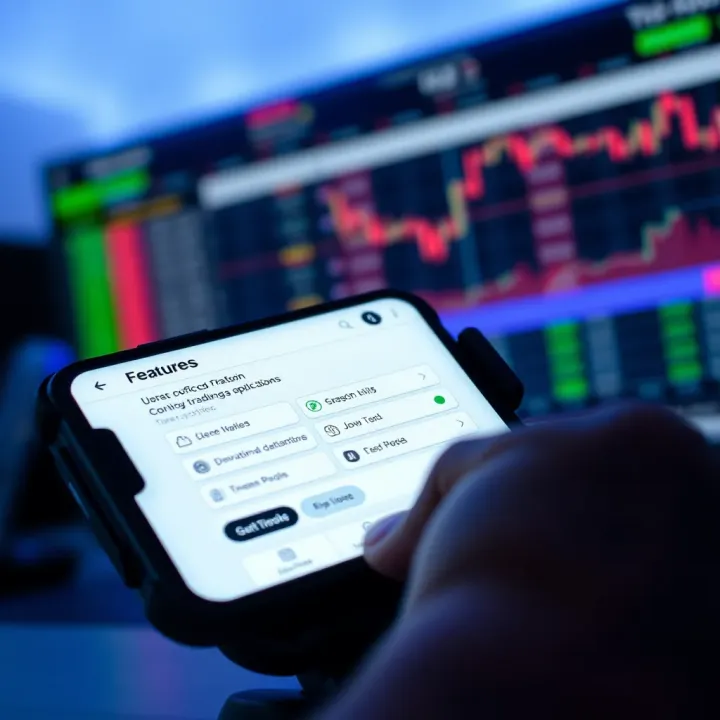
Together, these regulatory elements form a safety net that protects your money and personal data while offering access to a wide range of financial instruments via legal trading platforms. Always check for these compliances before downloading or investing through any app to avoid unwanted surprises later.
Choosing a legal trading app in India goes beyond just compliance. You want a platform that offers features catering to both new and experienced investors. The right features simplify trading, secure your data, and keep you updated with market trends—all in one place. For example, Zerodha's Kite app combines ease of use with real-time data, making it a good example of a balanced platform.
An intuitive interface matters because it reduces errors and saves time. A cluttered app can confuse investors, especially beginners. Apps like Upstox Pro have straightforward dashboards where you can place orders quickly or view your portfolio at a glance. Features like quick search, simple menus, and customisable watchlists help users stay organised. This usability is particularly handy during fast market swings, where quick decisions count.
Trading apps handle sensitive information, so robust security is non-negotiable. Look for multi-factor authentication (MFA), biometric login support, and end-to-end encryption. Angel One, for instance, uses encrypted servers and periodic security audits to protect user data. Besides technical security, check that the app complies with SEBI and RBI guidelines for KYC and data privacy. This safeguards you against fraud and unauthorised access.
A good app offers multiple instruments—equity, derivatives, commodities, mutual funds—to suit varying strategies. It’s helpful if you can trade across NSE, BSE, and MCX using one app. 5Paisa lets investors explore a broad range of options including IPOs, which is valuable for those seeking diversification. The wider the access, the fewer times you need to switch platforms.
Market data delays can cost money. The leading apps provide live streaming of prices, order book data, and indices like the Sensex and Nifty 50. Many apps also include research reports, technical analysis tools, and expert recommendations. Zerodha offers integrations with tools like Sensibull for options trading, enhancing user insights. These features support informed decisions rather than guesswork.
Handling taxes is often the toughest part of investing. The best apps generate quarterly and annual reports neatly formatted for filing Income Tax Returns (ITR). Some platforms even integrate with accounting software or provide advisory services. This reduces the headache of tracking capital gains, TDS, and dividend income, especially when you trade frequently.
When choosing a trading app, focus on features that align with your trading style and need for security, data access, and compliance support. The right combination helps you trade confidently while keeping legal and technical risks at bay.
Assessing top trading apps in India helps investors choose platforms that are both legal and reliable. Reviews focus on security, usability, costs, and regulatory compliance, offering practical insights for investors to pick an app suited to their goals. For example, understanding Zerodha’s fee structure or Angel One's customer support can save time and money while ensuring smoother trading.
Zerodha Kite operates under strict SEBI regulations and ensures robust data protection through encryption and two-factor authentication. This safeguards user information and funds, which is essential for trust in digital trading.
Kite offers a clean interface with advanced charting tools and real-time market data. It supports equities, derivatives, commodities, and currency trading, making it versatile for varied investor preferences.
Zerodha follows a flat fee model of ₹20 per executed order irrespective of trade size for equity delivery and intraday, which is transparent and budget-friendly for regular traders.
Upstox Pro features a sleek app design with quick order placements and intuitive navigation. It reduces latency during order execution, which benefits active traders needing speed and reliability.
Registered with SEBI, Upstox Pro adheres to Indian financial laws, reassuring users about the app’s legitimacy and operational security.
They offer a range of educational tutorials and regular market insights, supporting both beginners and seasoned investors with actionable information.
Angel One enables trading in stocks, mutual funds, IPOs, commodities, and currencies, giving investors a broad market choice – handy for portfolio diversification.
The KYC onboarding is mostly digital, involving Aadhaar-based eKYC verification, making account opening swift and paperless for Indian investors.
Angel One provides multilingual customer service through calls and chat, crucial for resolving issues promptly, especially for first-time users.
Known for low brokerage charges, 5Paisa appeals to cost-conscious traders. Its plans start as low as ₹10 per trade, fitting well with investors starting small or trading frequently.
5Paisa offers simplified interfaces, learning resources, and risk management tools which guide new traders safely through market participation.
The app complies with RBI and SEBI norms and incorporates end-to-end encryption and continuous monitoring to prevent unauthorised access, essential for maintaining investor confidence.
Choosing the right app depends as much on compliance and cost as on usability and support. This review helps identify which app fits your trading needs while keeping your investments secure.
Choosing the right trading app is a key decision that can directly impact your investment success and security. Each app has strengths that suit certain trading styles, goals, and budgets better than others. For example, an active trader looking for real-time market updates and low latency may prefer Zerodha Kite, while a beginner might value an app with simpler user experience like 5Paisa.
Understanding your trading style is the first step in selecting an app. If you trade frequently — day trading or swing trading — you need apps offering fast order execution, detailed charts, and advanced tools. On the other hand, if you are a long-term investor, features like portfolio tracking, research reports, and SIP options are more important. For instance, Angel One caters well to investors who seek a mix of equity and mutual fund investing within one platform.
Costs can quickly eat into your profits, so compare brokerage charges carefully. Some apps charge flat fees per trade irrespective of volume, like Upstox Pro, which can benefit high-volume traders. Others use a percentage of trade value, which might suit smaller trades. Also factor in charges for account maintenance, fund transfers, and access to research tools. Remember, a cheap app isn’t always better if it compromises on essential features.
A secure trading app safeguards your funds and data through strong encryption, two-factor authentication (2FA), and regular security audits. Since hacks can happen, the app should have quick support to address issues. Look for platforms with responsive customer service via phone, chat, and email — Angel One and Zerodha have earned positive reviews here. If your app lacks good support, you might face delays during critical situations.
Only use apps registered with the Securities and Exchange Board of India (SEBI) and recognised by stock exchanges like NSE and BSE. This reduces risk of fraud and ensures compliance with Indian laws. The app should clearly display terms, brokerage breakdowns, and privacy policies. If an app makes unclear promises or has opaque charges, steer clear. Transparency builds trust and helps you make better-informed financial decisions.
Choosing your trading app carefully is like picking the right vehicle for a journey—efficient, reliable, and safe transport makes reaching your destination smoother.
In summary, by defining your trading goals, understanding costs, ensuring security, and checking regulatory credentials, you can find the trading app that fits your investing needs perfectly. This helps you focus on growing your portfolio confidently and without unnecessary worries.
Explore legal forex trading apps in India 🇮🇳, understand regulations, compare top platforms, and learn to trade safely with expert tips and risk management 🔍📱

📱 Explore legal trading apps in India to understand safe features, regulations, and tips. Make smarter trading choices while avoiding common risks. 💡

Explore legal forex trading apps in India 🇮🇳! Understand regulations, find trusted platforms, and get tips to trade smart and safe in the Indian market 💹📱.
📱 Curious about legal binary trading apps in India? Learn about current regulations, risks, trusted platforms, and tips to trade safely and smartly. ⚖️💡
Based on 11 reviews